Quick Answer
Cylinder head flatness and surface finish are separate checks. Flatness concerns the shape of the sealing face; finish concerns its surface texture. Ask for both results, their units and the specification used. A shiny face or a statement that the head was resurfaced does not replace measurements. Acceptance depends on the specific engine and head gasket.
“Resurfaced and ready to fit” leaves an important purchasing question unanswered: ready for which engine and gasket? When comparing cylinder-head quotations, separate what was done to the part from the evidence showing that its sealing face meets the required condition.
What Do the Two Checks Measure?
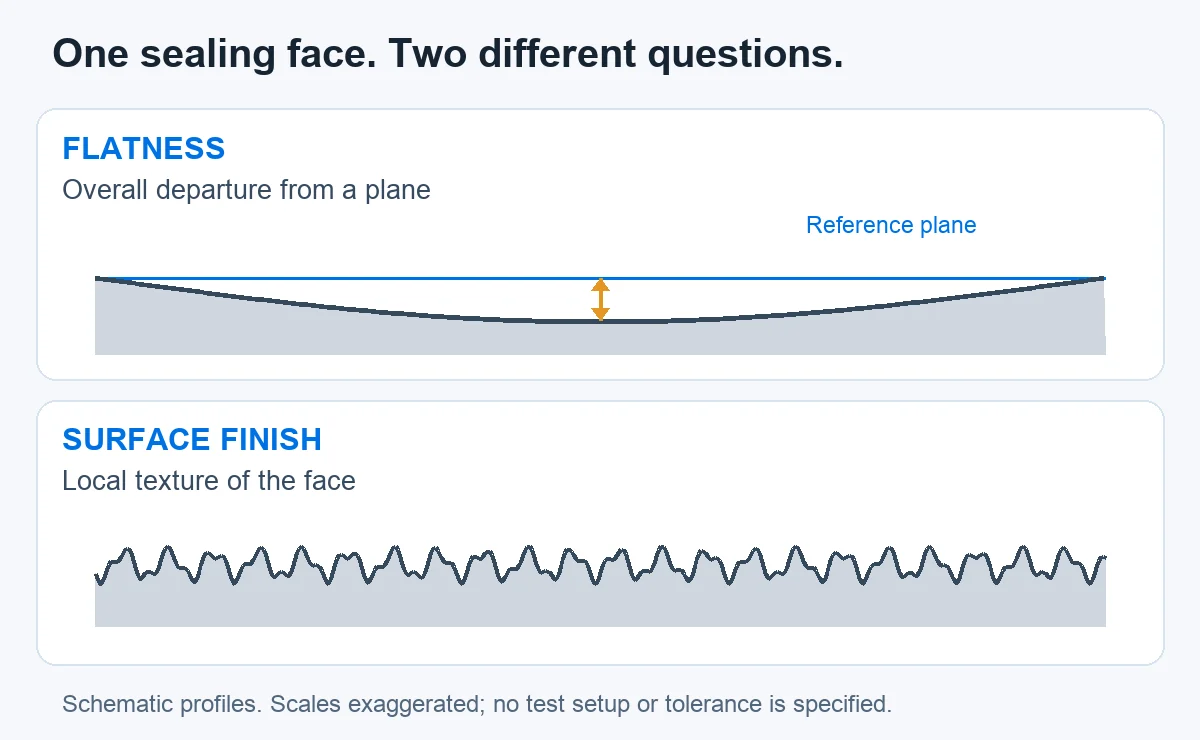
Cylinder head flatness describes how much the sealing face departs from a plane. Surface finish describes the texture of that face. They concern different features, so a result for one cannot stand in for the other.
Fel-Pro demonstrates checking flatness with a straightedge and feeler gauges, and checking finish with a profilometer. Its technical guidance also explains that the required finish depends on the casting material and gasket design. Those are useful distinctions for a buyer; the measurement positions and acceptance limits still need to come from the relevant instructions.
Permaseal, for example, publishes a surface-finish requirement for its own MLS head gaskets. Treat a gasket maker’s requirement as product-specific information. Do not apply one brand’s figure to every MLS gasket or turn an online rule of thumb into a limit for an unidentified engine.
Ask for a Record You Can Match to the Actual Head
Start with identification. A measurement sheet is difficult to use if it cannot be linked to the head in the quotation. Request the part reference, engine application and a clear photograph of the identifying marks. The cylinder-head identification photo guide explains which views help that discussion.
Then ask for the following information as separate entries. This is a suggested purchasing record, not a new test procedure:
- Part identity: the quoted reference and the identifier used on the inspection record.
- Flatness result: the recorded readings, where they were taken, their units and the document used to judge them.
- Finish result: the reported roughness parameter, its units, the measurement method and the gasket requirement being checked.
- Supplied condition: new, reconditioned or another explicitly agreed condition, together with any machining stated in the offer.
- Traceability: the inspection date, who issued the record and which item or agreed batch it covers.
If a report says only “Ra,” ask for the units before comparing it with a specification. Fel-Pro discusses finish in microinches, while Permaseal expresses its requirement in micrometres. A bare number is incomplete without that information. Keep the original parameter name and units when forwarding a report to the receiving workshop.
A photograph can show the part, its visible condition and the instrument being used. It should accompany the readings. Ask the supplier to label what the photograph documents rather than treating a photograph of a clean face as a flatness or roughness result.
What If the Supplier Says the Head Has Been Resurfaced?
Ask two short questions: what work was performed, and what was checked afterwards? “Resurfaced” describes work done to the part. For order approval, you still need the resulting measurements and the applicable acceptance criteria.
Have the receiving workshop confirm the engine manufacturer’s rules on reworking this head before agreeing to additional machining. If the documents supplied with the quote do not identify the engine or gasket, resolve that gap first. A general article cannot decide whether a particular head should be machined, accepted or replaced.
Also confirm the commercial contents of the offer. A bare cylinder head and an assembly with valves or other components are different purchasing scopes. Use the bare-head and cylinder-head-assembly comparison to define the product, then keep that description beside the inspection evidence.
Resolve These Gaps Before Approving the Order
When two suppliers provide different amounts of detail, send both the same request. For example:
Please identify the cylinder head covered by this quotation and provide the available flatness and surface-finish records. Include the units, measurement locations, inspection date and specifications used. Please also confirm the supplied condition, any resurfacing performed and the exact included components.
This is a proposed inquiry, not a statement that any particular supplier already provides these tests. If a requested record is unavailable, state that plainly in the quote review. Decide with the receiving workshop what inspection is needed before accepting or installing the part.
For a multi-head order, agree whether the evidence identifies every item or describes a sampling arrangement. Record that arrangement rather than assuming one sheet covers the whole shipment. Keep the accepted product description and evidence with the cylinder-head quotation. At delivery, use the receiving-inspection guide to match the labels and documents to the goods received.
Review Your Cylinder-Head Inquiry With NANXI POWER
NANXI POWER can review the engine code, VIN and original engine photos, clarify the requested product form and configuration, and help coordinate available product photos or videos before shipment. Send the head reference, required quantity and the receiving workshop’s inspection requirements with your inquiry. Ask which technical records are available for the proposed item; photo support should not be taken as a promise of profilometer measurements or a particular test service.
Technical References
- Fel-Pro: How to Prepare an Engine Surface for Gasket Installation — explains finish selection and the importance of checking both mating surfaces.
- Fel-Pro: How to Check Cylinder Head Flatness and Surface Finish — the manufacturer’s demonstration distinguishes flatness and finish checks.
- Permaseal: Cylinder Head Surface — describes roughness measurement and the requirement for its MLS gaskets.
These sources support the distinction between checks. This article does not provide a universal tolerance, machining instruction or approval for a specific engine installation.
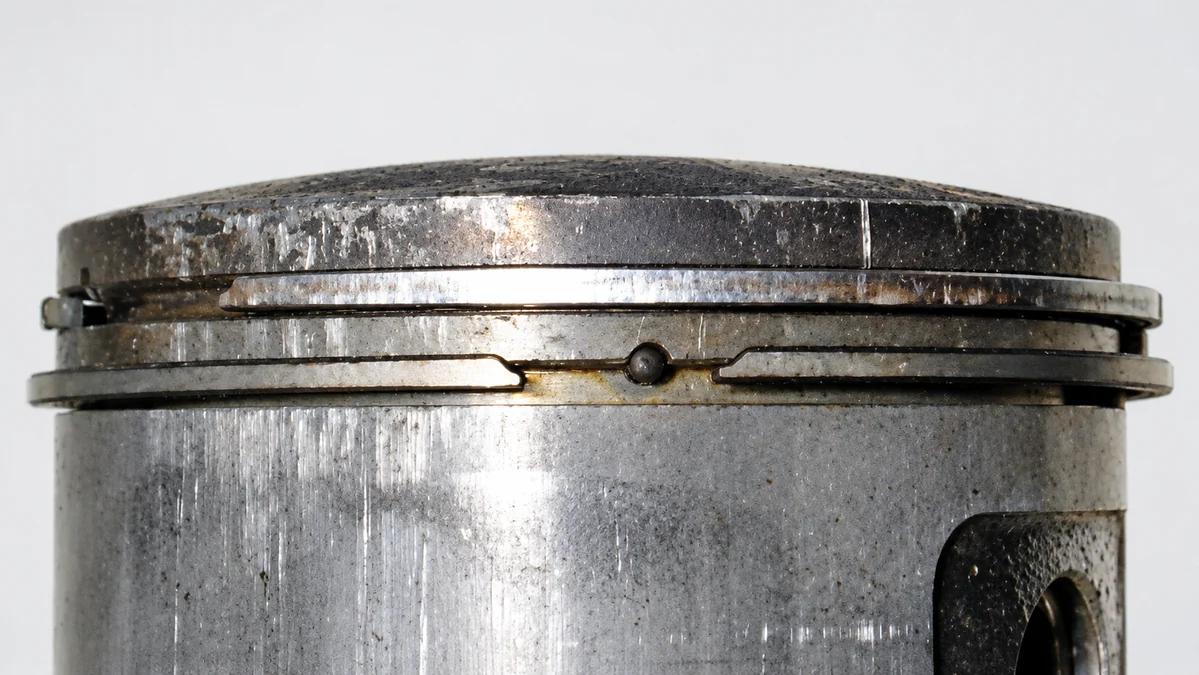
The featured photograph shows a used cylinder head as a visual reference; it contains no measurement result. Photo: 1-1111 / Wikimedia Commons, CC BY 4.0. Source photograph; license. Cropped and resized; the social version adds a logo and credit strip.
Send the Head Reference With Your Inquiry
Include the engine code, VIN where available, clear photos, required product form, quantity and delivery country. Add any inspection requirements your workshop needs answered before ordering.