Quick Answer
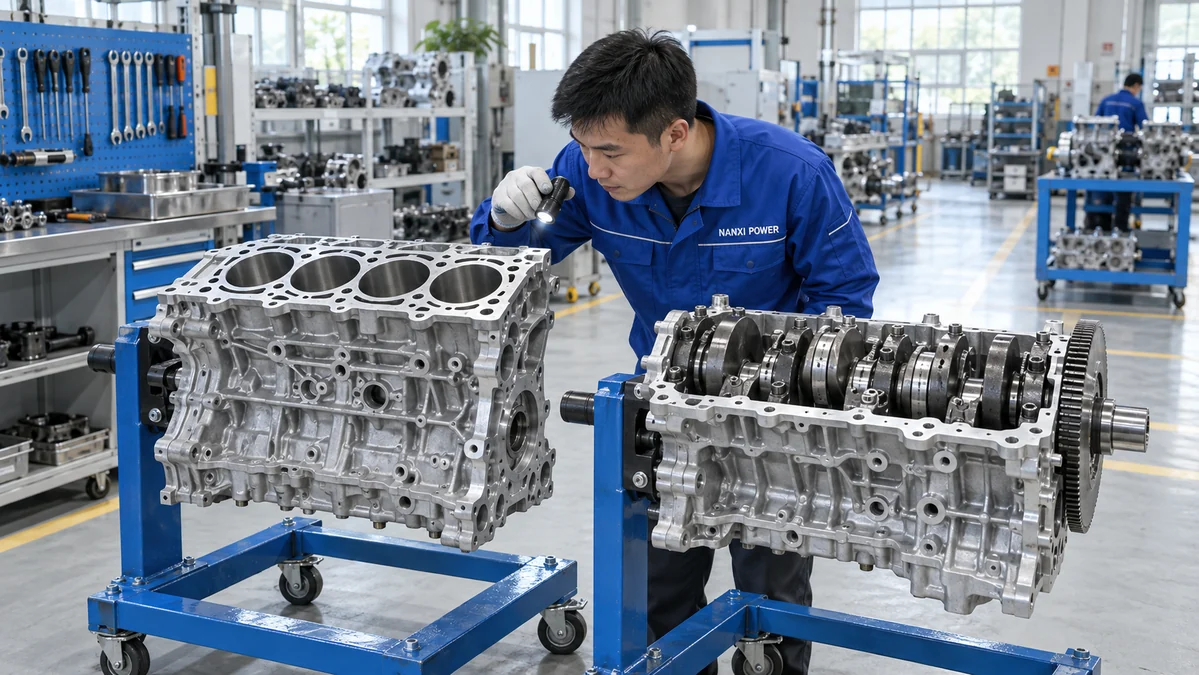
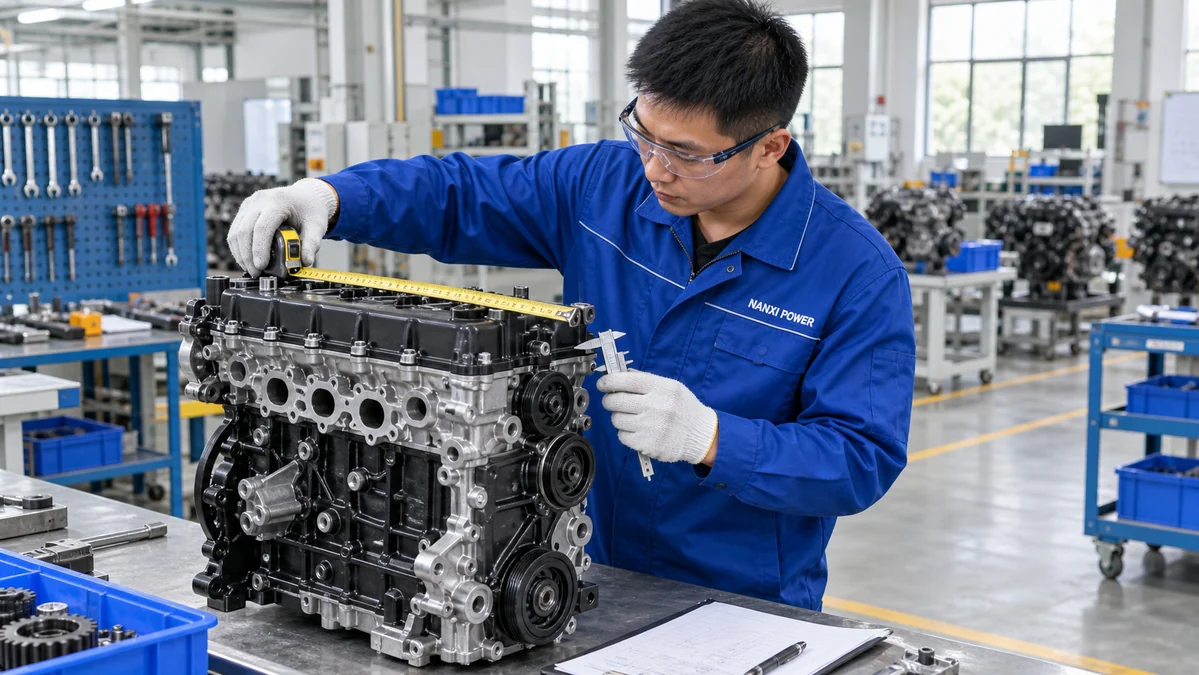
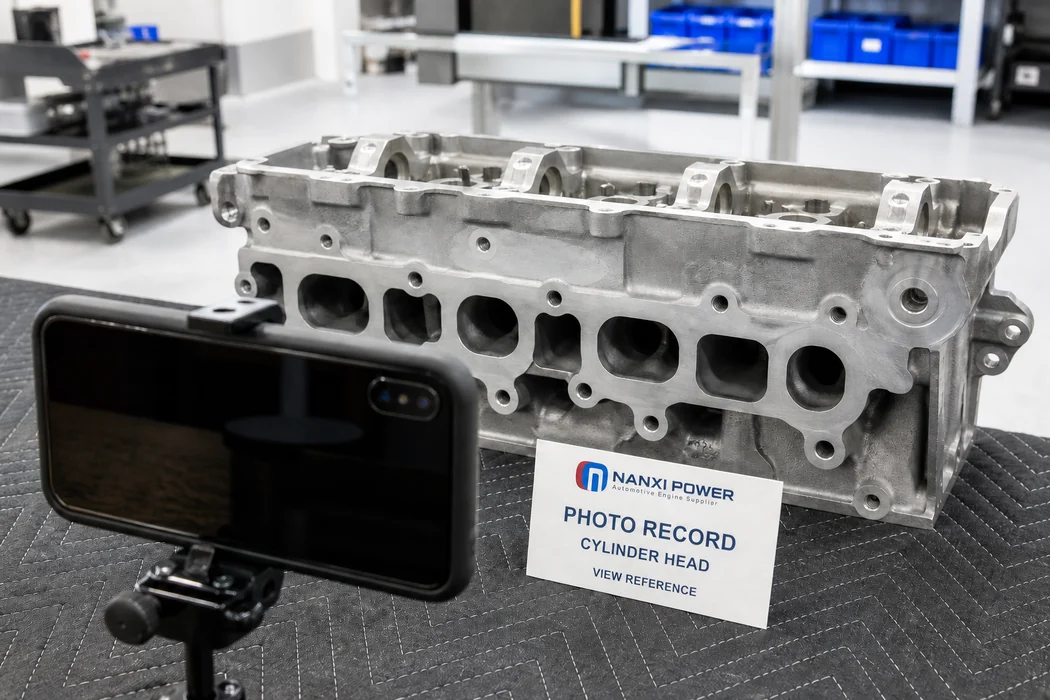
Cylinder head identification photos should show the whole part, the combustion or port side, the cam-cover side, attachment areas and every visible casting mark or label. Pair each close-up with one wider photo that shows its location. These images do not prove fitment or included scope, but they give a buyer and supplier a clearer starting point for comparing the requested cylinder head before quotation.
Why Are Cylinder Head Identification Photos Useful?
A cylinder head may look familiar from one angle while having different ports, attachment points, covers or internal component arrangements from another. A concise photo set gives the buyer, technical reviewer and supplier one shared visual reference before anyone treats a general description as an order-specific conclusion. It is especially helpful when the original part is already removed from the vehicle or when several people need to review one inquiry.
Photos should support, not replace, identification details. Start by stating whether the request concerns a bare cylinder head or a cylinder head assembly. The cylinder head versus cylinder head assembly guide explains why those terms should not be used interchangeably. Then add the available engine code, VIN and original-part context rather than relying on a single image.
Which Cylinder Head Identification Photos Should a Buyer Send?
| Photo or detail | What it should show | How it helps the discussion |
|---|---|---|
| Whole-part view | The complete cylinder head from a clear, level angle | Shows the overall product form and lets close-ups be placed in context |
| Port or combustion-side view | Relevant openings, chambers and bolt locations without obstruction | Helps identify visible configuration questions to clarify |
| Cover and attachment views | The cam-cover side and areas where accessories or manifolds attach | Makes the buyer’s requested scope easier to describe in writing |
| Mark or label close-up | Any visible casting mark, label or identifier, plus a wider location view | Prevents an isolated detail from being separated from the original part |
| Damage or modification view | A close-up and a wider image of any area that affects the inquiry | Keeps a question about condition or configuration visible to both sides |
Use natural light or a well-lit workspace, keep the part in focus and avoid filters that change the metal surface. A phone is usually sufficient if the images are sharp. For every detail image, add a wider companion view. This simple pairing avoids the common problem of receiving a close-up with no clear indication of where it belongs.
How Should Buyers Compare the Replies to Their Photo Set?
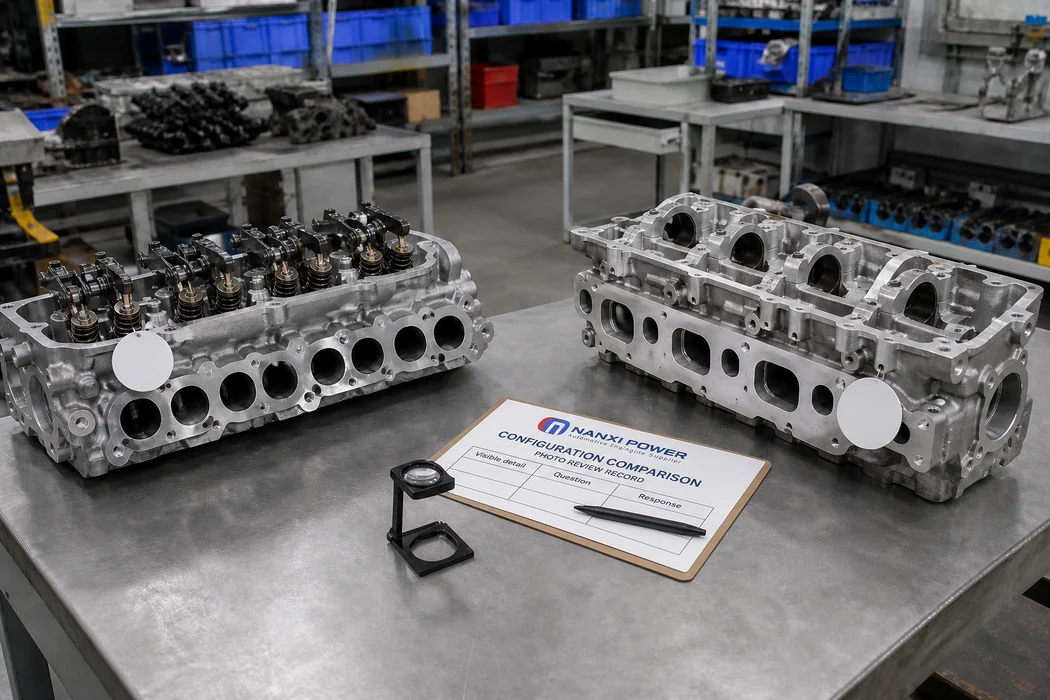
Keep a three-column record: the buyer’s question, the supplier’s written response and the photo reference. For example, the question may ask whether a visible area matches the requested product form. The response should either clarify the point or mark it as pending confirmation. The photo reference makes it possible to revisit the exact area without relying on memory or a generic catalog image.
Do not turn visual similarity into an automatic compatibility conclusion. The photo set, engine code and available VIN should be reviewed together. The engine code and engine number guide gives useful background on identification details, while the engine parts inquiry checklist helps organize the commercial request around the technical evidence.
A Five-Step Buyer Workflow Before Quotation
- Name the product form: state whether the inquiry is for a bare cylinder head or a cylinder head assembly.
- Collect the evidence: gather the engine code, available VIN, whole-part images and the detail photos that matter to the request.
- Label the questions: identify each visible configuration point that needs a written reply instead of assuming what a photo means.
- Request a comparable quotation: include quantity, destination country and the product scope that needs confirmation. Review the cylinder head assembly quotation checklist when the request concerns an assembly.
- Keep the final record together: save the current quotation, supplier response and evidence references before moving to payment, packing or shipping discussions. Later-stage photos can be organized with the pre-shipment photo checklist.
How Can NANXI POWER Support an Identification Review?
NANXI POWER can review the available engine code, VIN and original-part photos with the buyer’s requested product form, then help organize the configuration questions that need a written quotation response. Buyers can also share the required quantity, delivery country and any commercial terms that matter to the inquiry. This supports a clearer review of visible details without treating a general guide or a photo as a fitment, availability or included-scope promise.
Frequently Asked Questions
Are cylinder head identification photos enough to confirm the correct part?
No. Photos are useful supporting evidence, but the engine code, available VIN, requested product form and written configuration review are also important before a quotation is finalized.
Should I send a close-up of every mark I can find?
Send clear close-ups of relevant marks or labels, but always pair them with a wider photo that shows their location on the original cylinder head.
Can I use old catalog images instead of original-part photos?
Catalog images can help describe a general product form, but original-part photos are more useful for discussing the visible details of the buyer’s actual request.
What should I do if the original part is damaged?
Photograph the damaged area closely and from farther back, then state how the damage affects the request. Keep it as an open question until the product form and configuration are reviewed.
What commercial information should accompany the photo set?
Include the required quantity, delivery country, desired product form, current inquiry reference and any commercial terms that need to be considered with the technical discussion.
Request an Identification Review
Send the engine code, available VIN, whole-part and detail photos, requested product form, quantity and destination country. NANXI POWER can help organize the next configuration and quotation questions for your inquiry.
Email Your Inquiry•View Our Made-in-China Store•Visit Our Alibaba.com International Store
For B2B procurement updates, follow the official LinkedIn page.