Quick Answer
Engine code vs engine number is not a choice between two names for the same detail. The engine code identifies an engine family or version, while the engine number is normally a unique serial reference stamped on one unit. A useful B2B inquiry records both when available, then adds the VIN, transmission, drivetrain and clear photos of the original engine.
The Two References Answer Different Questions
Procurement teams often receive a photo with several rows of letters and numbers and forward only one line to the supplier. That can slow down identification because the line may be a casting mark, a serial number or a production reference rather than the engine code needed for the quotation.
Helps identify the engine family or technical version that should be checked.
Helps identify an individual engine unit and may be relevant to records or local registration procedures.
Formats and stamping locations vary. If a marking is unclear, send the complete photo instead of guessing which characters matter.
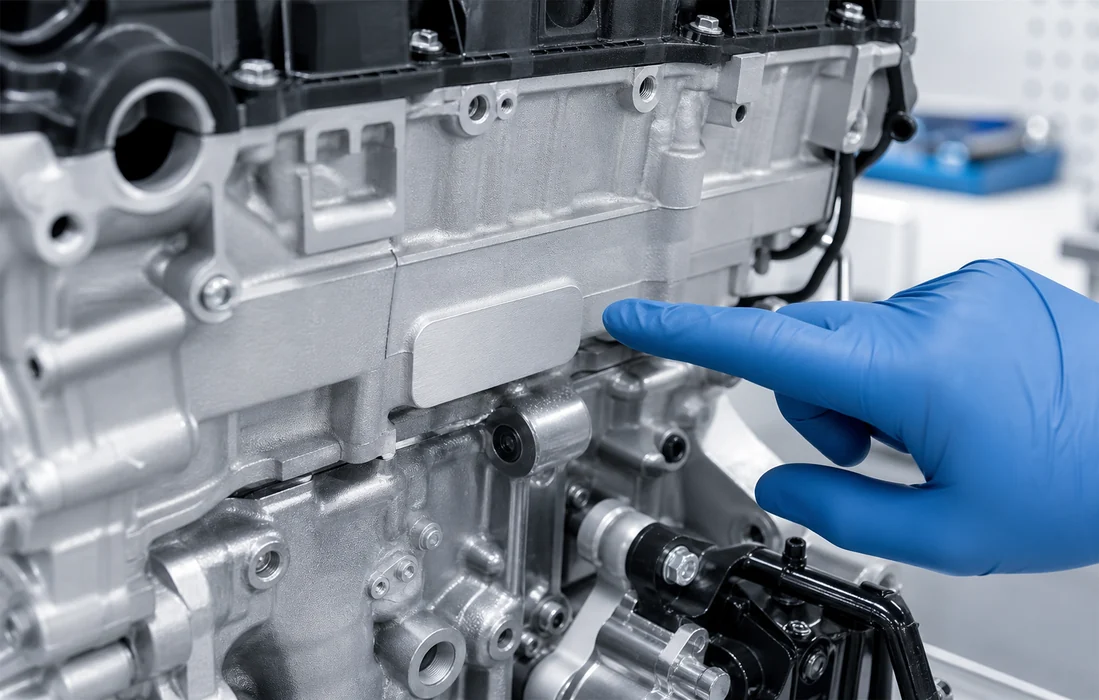
Why an Engine Code Is the Starting Point
The engine code gives the sales and technical teams a practical starting point for checking the requested unit. It can help narrow the search to a known family, but it does not always identify every external detail.
Engines sharing a code can still differ by destination market, production period, oil pan arrangement, mounting points, transmission, drivetrain and external interfaces. The code should therefore be read together with photos and configuration information. Buyers can review the available brand families in the NANXI POWER engine catalogue.
What the Engine Number Can—and Cannot—Do
An engine number is usually tied to one physical unit. It can be useful for inventory records, document preparation or requirements in the destination market. It should not be treated as a universal fitment key.
Before ordering, ask your customs broker, registration agent or local authority which number format must appear on commercial or registration documents. Requirements can differ by country and transaction. NANXI POWER can prepare supply documents based on confirmed order information, but buyers remain responsible for local import and registration requirements.
Photograph the Marking So It Can Be Read
A good identification photo is simple: clean the visible surface carefully, use even light, hold the camera square to the marking and include one wider image that shows where the marking is located. Avoid filters, heavy sharpening and screenshots compressed by messaging apps.
- Take one close photo where every visible character is sharp.
- Take one wider photo showing the surrounding engine area.
- Keep the original image file when possible.
- Photograph both the plate and stamped surface if both exist.
- Do not rewrite uncertain characters from memory.
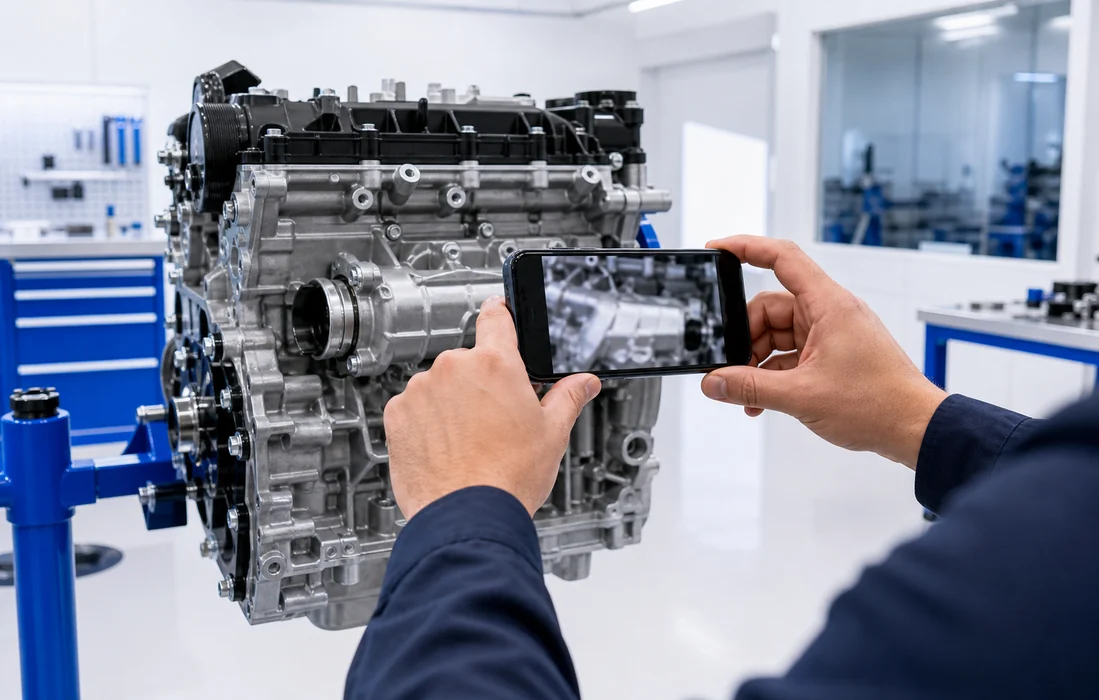
Build a Complete Identification Set
The fastest useful inquiry is not the shortest message. It is a compact set of evidence that lets both sides compare the same engine.
Send these items together
- Typed engine code plus an original photo of the marking
- Engine number photo, when available or required
- VIN for preliminary identification
- Valve-cover, timing-side, intake-side and exhaust-side photos
- Oil-pan and mounting-point photos
- Automatic or manual transmission information
- FWD, RWD, AWD or 4WD information
- Required product form and expected accessory scope
The engine supply process explains how configuration confirmation fits into quotation and shipment preparation. For common inquiry questions, see the engine buying FAQ.
Use Visual Records, Not Assumptions
A typed code can contain a transposed character. A photo can reveal the original marking and its location. That is why visual evidence remains valuable even when the buyer already has a parts list.
For examples of product and inspection visuals, visit the official NANXI POWER YouTube channel.
Frequently Asked Questions
Is an engine code unique to one physical engine?
No. An engine code generally refers to a family or version. An individual engine number is the unit-specific reference.
Can the engine number confirm compatibility by itself?
Normally not. Compatibility should be checked with the engine code, VIN-assisted identification, original-engine photos, transmission and drivetrain details.
What if one character is unreadable?
Send several unedited photos under different lighting. Do not guess. The surrounding configuration may provide additional identification clues.
Does the marking confirm which accessories are included?
No. The included accessories depend on the quoted configuration and must be confirmed in product photos and the commercial agreement.
Send the Marking and the Full Engine View
Share the engine code, engine number photo and original-engine views. NANXI POWER will use them for preliminary configuration checking before quotation.