Quick Answer
2AZ-FE oil consumption should be measured before you choose piston repair or a replacement engine. For the US-market applications covered by Toyota’s bulletins, T-SB-0158-14 provides the inspection and T-SB-0094-11 addresses the subsequent repair. Start with the correct vehicle identity and a documented test. Then compare the repair findings and total installed costs; repeated top-ups alone do not tell you which assembly to buy.
A Camry owner may report that the dipstick falls between services. A workshop or importer then faces a more expensive question: is a targeted repair justified, or should a replacement long block be priced? The useful starting point is a record that both sides can inspect. This article explains the decision, using Toyota’s published US bulletins; it is not a customer repair story.
Does Toyota’s 2AZ oil-consumption bulletin cover your engine?
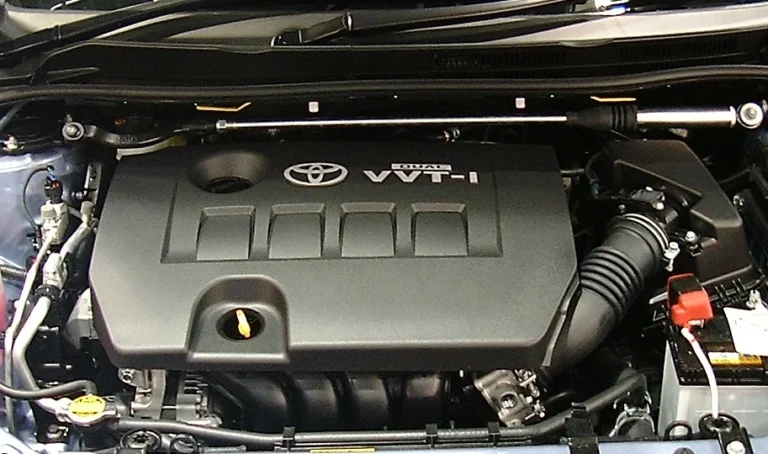
Check the model, year, market and VIN before applying the bulletin. The 2AZ name alone is insufficient. The US inspection bulletin includes 2007–2009 Camry applications, while Camry Hybrid applications use the related 2AZ-FXE. Keep FE and FXE identification separate rather than treating every 2.4-litre Toyota engine as interchangeable.
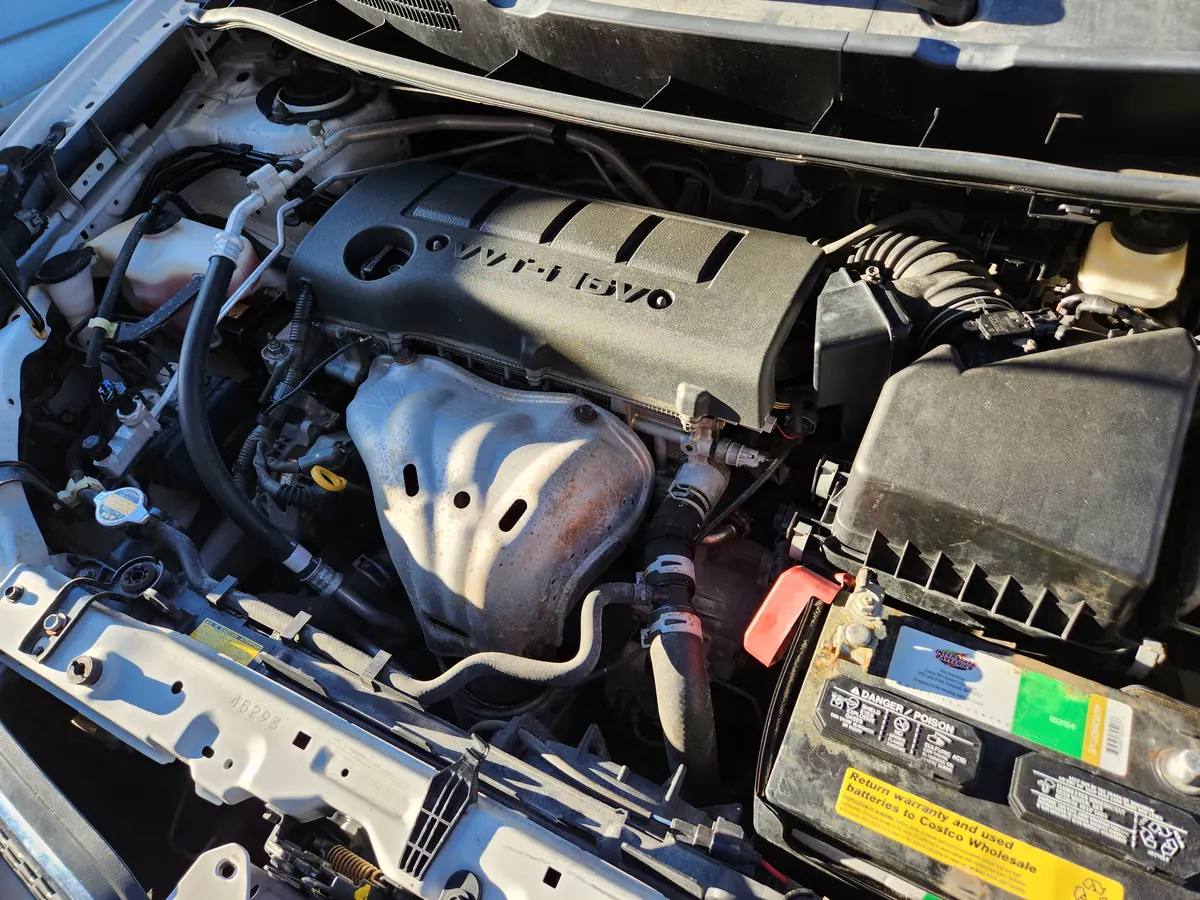
The repair bulletin also has production-change information. Ask the workshop to check the actual VIN against the applicable service information, including any later revision. An engine-family match is a starting point for that check, not a substitute for it. Our engine identification guide explains which markings and photographs make the enquiry clearer.
The historical bulletins explain the technical sequence. They do not establish present warranty coverage, a free repair or eligibility in another country. For a vehicle outside the listed US applications, obtain its own market’s service requirements before selecting a test or parts.
What should a useful 2AZ-FE oil-consumption record show?
It should link a known starting level to a return reading, a distance travelled and any oil added. A photograph of a low dipstick without those details cannot tell a buyer how quickly the level changed. Keep the workshop’s report and service invoice together so that the result can be discussed without reconstructing the history from messages.
- Identify the vehicle. Record the VIN, engine designation, model year and market. Keep photographs of the original engine and its identification markings.
- Keep both ends of the test. Ask for the starting and return odometer readings, the recorded oil levels and the procedure used.
- Record interruptions. Tell the workshop about any top-up or service during the test. Retain the amount, date and receipt instead of silently treating the test as uninterrupted.
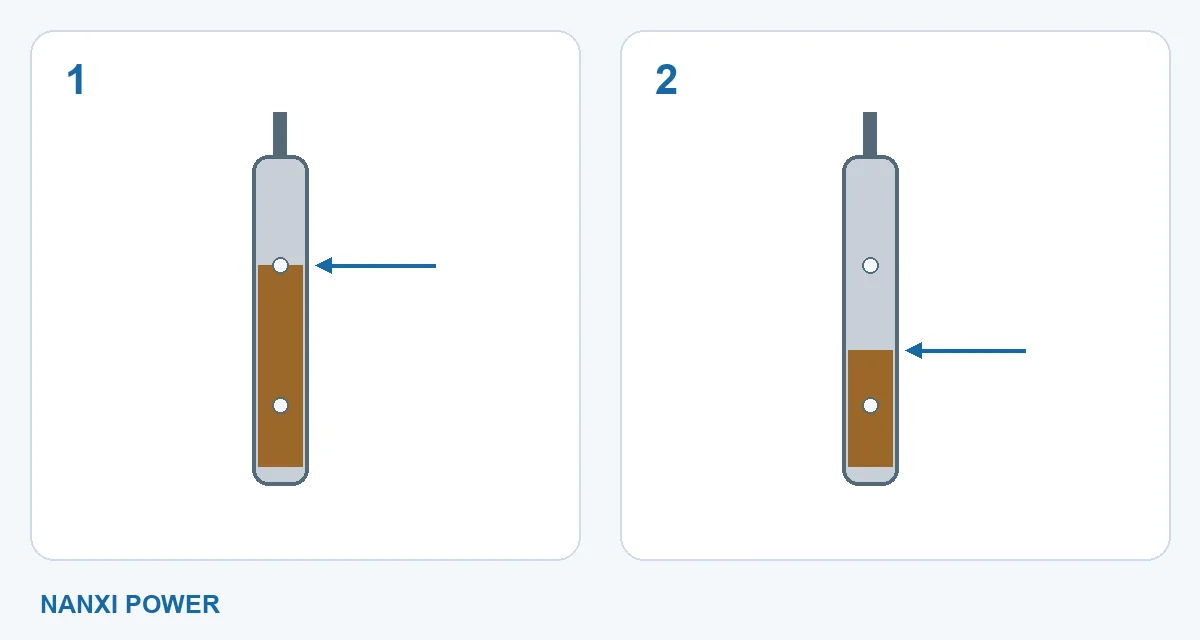
Toyota’s inspection bulletin uses a controlled return interval of 1,100–1,300 miles and specific inspection labels. Those details belong to that bulletin’s procedure, not a universal maintenance interval. Have the workshop arrange the applicable test and explain when to return; do not improvise a different test distance or open its marked points without telling it.
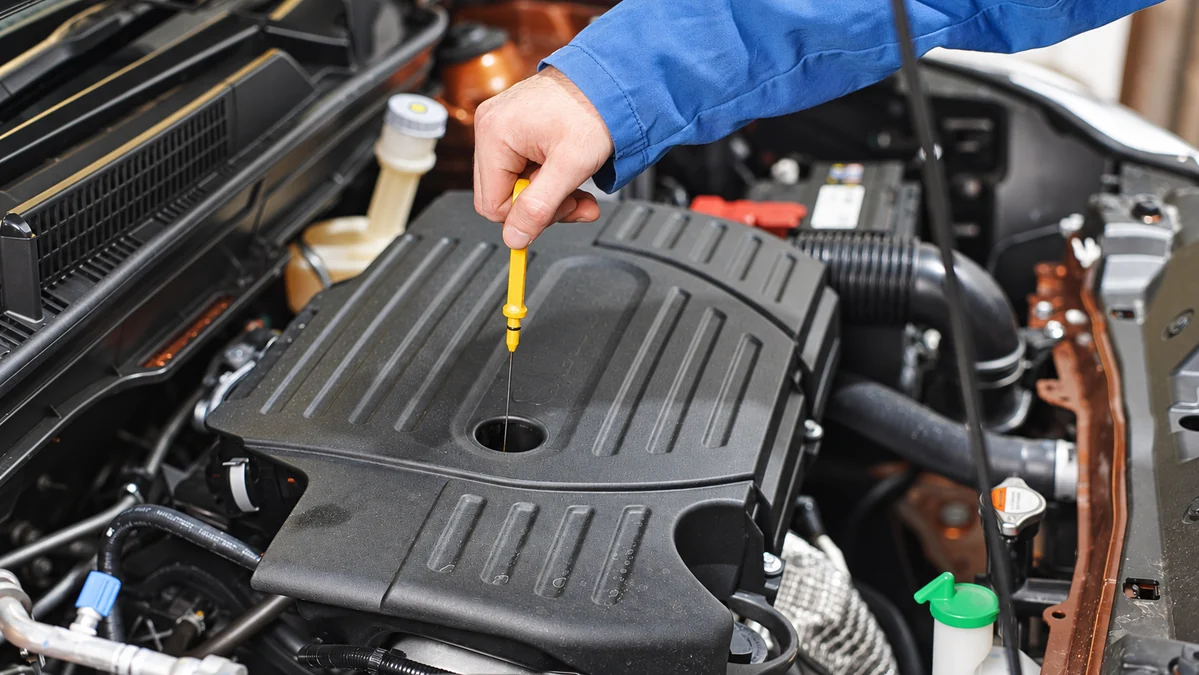
For ordinary oil-level checks and warning responses, use the vehicle’s own owner’s manual. Do not keep driving with an oil warning simply to finish a consumption test. A safe response takes priority over preserving a test record.
What does the oil-consumption result change?
It determines whether the specified repair investigation can proceed, or whether the evidence needs to be completed first. Toyota separates inspection from repair. Its repair bulletin states that the inspection must come first and describes a changed piston assembly intended to reduce consumption.
There is a specific return assessment in the covered Toyota procedure: the workshop adds one measured US quart, warms the engine, switches it off and waits five minutes before reading the level. A reading above full means that bulletin does not apply; a reading below full leads to its referenced repair procedure. This is a summary of the decision points, not a substitute for the complete workshop instructions. Ask the workshop to explain any borderline reading rather than inventing a pass/fail rule.
| What you have | Useful next step | What to postpone |
|---|---|---|
| Low level, but no starting reading or distance | Arrange a documented assessment and check the service history | A parts order based only on the photograph |
| An interrupted test or missing return record | Ask the workshop whether the result remains valid or must be repeated | Treating an incomplete record as a confirmed result |
| A valid result and a repair proposal | Ask which findings support that scope and what the estimate includes | Assuming a long block is automatically the cheapest option |
Keep a separate note of any observed external leak, warning or running complaint. These facts help the workshop decide what else needs investigation. A consumption report and a photograph of a leak answer different questions; combining them into “the engine is bad” makes a quotation less useful.
Should you repair the pistons or request a long block?
Compare the confirmed repair scope with a defined long-block proposal, including the work needed to install either option. Neither a familiar engine code nor the existence of a Toyota repair bulletin makes that cost comparison for your vehicle. Ask for the findings first, then compare estimates on the same basis.
- For repair: ask which components are included, which inspection findings justify the work, and what machining or further examination remains undecided.
- For replacement: ask exactly what the long block includes and which original accessories would be transferred. The label alone does not define every cover, timing component or external part.
- For both: compare labour, required fluids and consumables, transport and the work needed before the vehicle can return to service. Keep uncertain items visible instead of hiding them in one total.
Use the repair-or-replace comparison to organize the estimates, and the long-block scope guide to check what is actually being quoted. A repair that remains economical is a legitimate outcome of this comparison.
How can NANXI POWER help with a 2AZ long-block enquiry?
If workshop findings confirm an internal fault and the cost comparison makes repair uneconomic, NANXI POWER can review the engine code, VIN and original-engine photographs before quoting. We can clarify the requested configuration and provide available visual records for that discussion. These are current product pages. Confirm compatibility by VIN.
- 2AZ CAMRY Engine Long Block
- 2AZ OLD CAMRY Engine Long Block
- 2AZ OLD RAV4 Engine Long Block
- 2AZ RAV4 Engine Long Block
Send the test report with the identification details so that the proposed supply scope and the workshop’s findings stay connected.
Two questions before you approve the work
Do black spark plugs prove the pistons need replacing?
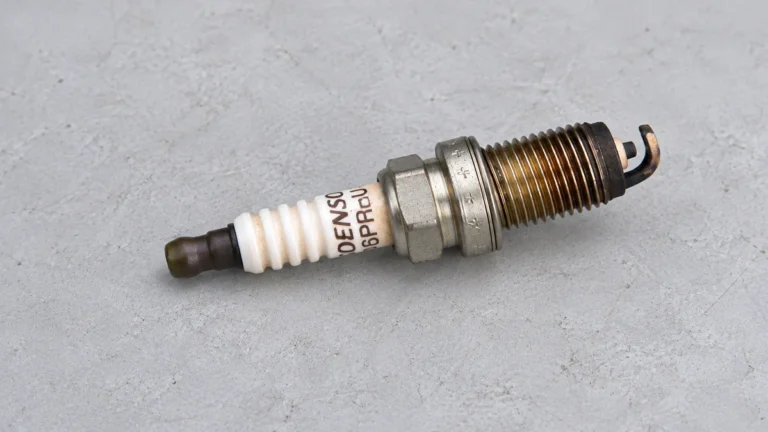
No. A plug photograph is not a measured oil-consumption result. Keep the cylinder labels and photographs for the workshop, but use the documented assessment to decide the repair scope rather than turning plug colour into a piston or engine order.
Does an updated piston design prove a replacement engine has it?
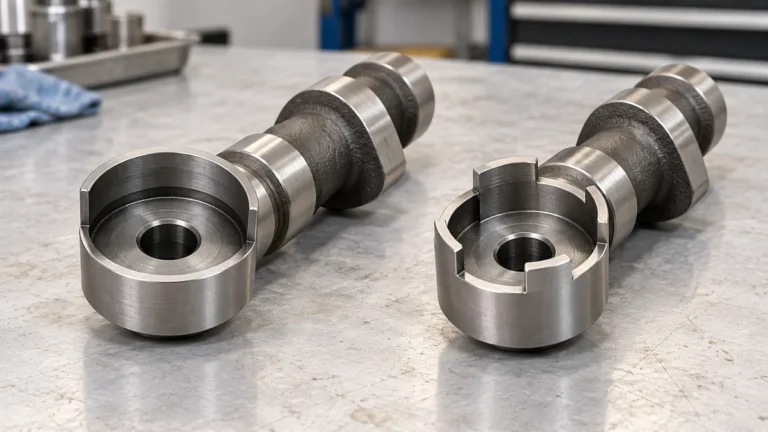
No. A manufacturer’s design change is not evidence about an individual supplier’s assembly. Ask what configuration is actually being offered and what records support it. Do not infer revised internal parts from an exterior photograph or the words “2AZ long block.”
Discuss the findings and the required configuration
Contact NANXI POWER with the engine code, VIN, original-engine photographs and workshop findings. Use WhatsApp or Email, or enquire through Made-in-China and Alibaba.com International. Company updates are available on our official LinkedIn page.
Technical references: Toyota T-SB-0158-14 Rev2, inspection and T-SB-0094-11 Rev2, repair, archived by NHTSA. Verify current applicability with the vehicle’s service information. Cover photograph: Gustavo Fring / Pexels, edited for light and framing under the Pexels License; stock oil-check scene, not a NANXI test or a confirmed 2AZ vehicle. Engine-bay photograph: FarGah1, Wikimedia Commons, CC BY-SA 4.0; resized for this page, same license. It shows a 2AZ-FE in a Pontiac Vibe, not a Camry fitment record. The original numbered diagram is conceptual and contains no measured result.