Quick Answer
A replacement engine purchase order checklist turns an accepted quotation into a usable instruction for both buyer and supplier. Before work begins, state the exact product form, identification evidence, agreed configuration, quantity, destination, document references and packing instructions. A purchase order should confirm what was agreed; it should not add unverified fitment, accessories, timing or commercial promises.
What Should a Replacement Engine Purchase Order Do?
A purchase order is the buyer’s written record of the requested transaction after the parties have discussed a quotation. For a replacement engine, it should point back to the accepted quotation and make the requested scope easy to recognize. It is not a substitute for technical matching, product photographs, commercial terms or a separately agreed contract.
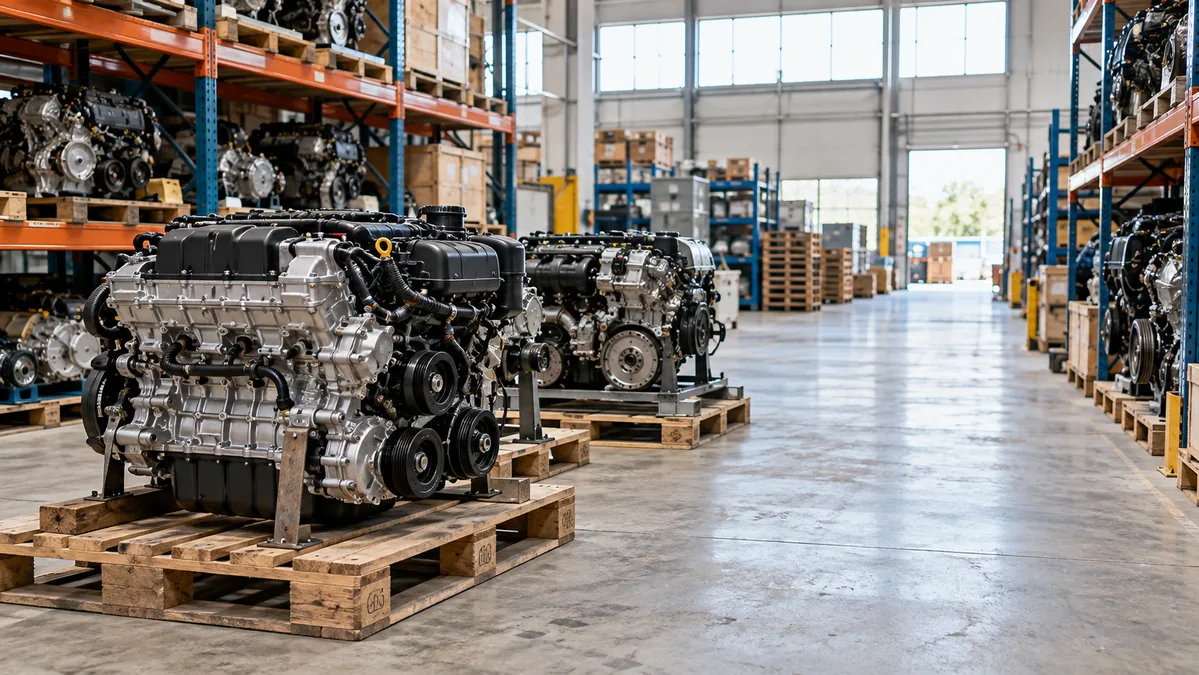
The most useful order avoids a vague line such as “one engine.” State the product form—such as complete engine, long block, base engine or short block—only as agreed, and identify the requested version with the evidence already reviewed. The engine quotation checklist explains what should be resolved before this stage, while the engine order change-control checklist helps keep later changes visible.
Purchase Order Fields That Need a Clear Answer
Repeat the Agreed Configuration, Not a Generic Engine Name
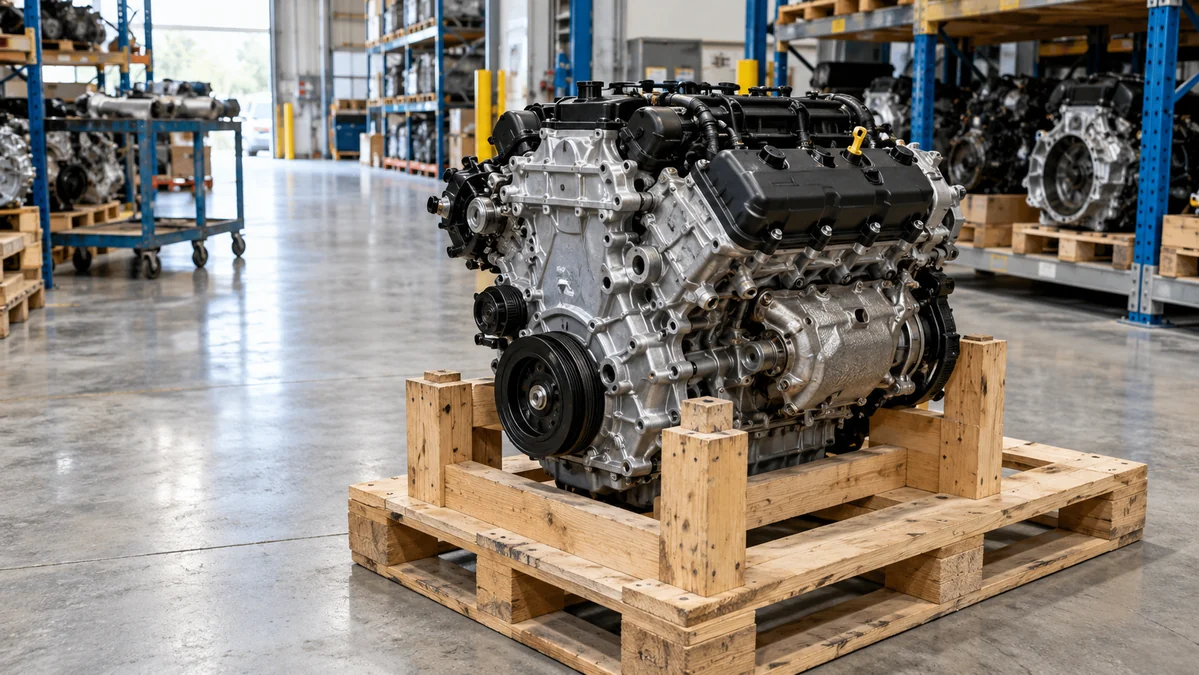
An engine code can support preliminary identification, but it does not by itself describe every visible version difference or included item. The purchase order should therefore repeat the product form and any confirmed scope from the quotation. Do not turn a photo, code or vehicle description into a guaranteed-fit statement. Use the engine code and engine number guide to keep identifiers distinct, and review the engine accessory configuration checklist before treating an external component as included.
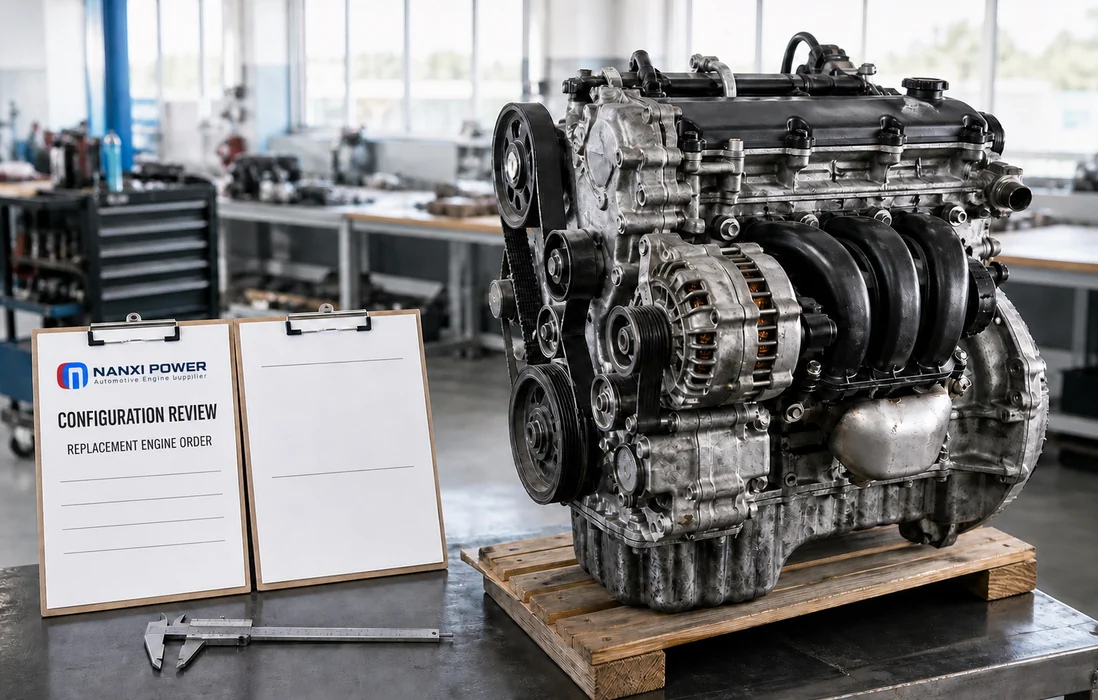
A Five-Step Buyer Workflow Before You Send the PO
- Freeze the reference set. Keep the current quotation, original-engine evidence and any agreed product photographs together before preparing the order.
- Write the ordered scope exactly. State the agreed product form, quantity and configuration wording. If a point is still open, ask for clarification instead of filling the gap with a generic assumption.
- Check the commercial fields. Confirm the correct buyer entity, quotation reference, currency and terms only as already agreed between the parties.
- State the handover information. Provide the destination, consignee and requested document references needed for the next coordination step.
- Control changes in writing. If the product scope, quantity or destination changes, issue a clear revised instruction and keep the old and new references connected.
This workflow does not replace the parties’ agreement. It makes the agreed details easier to hand from purchasing to confirmation, packing and documents. For the document stage, review the engine shipping documents guide so the PO reference can stay aligned with the PI, commercial invoice and packing list.
Keep Packing Instructions Connected to the Order
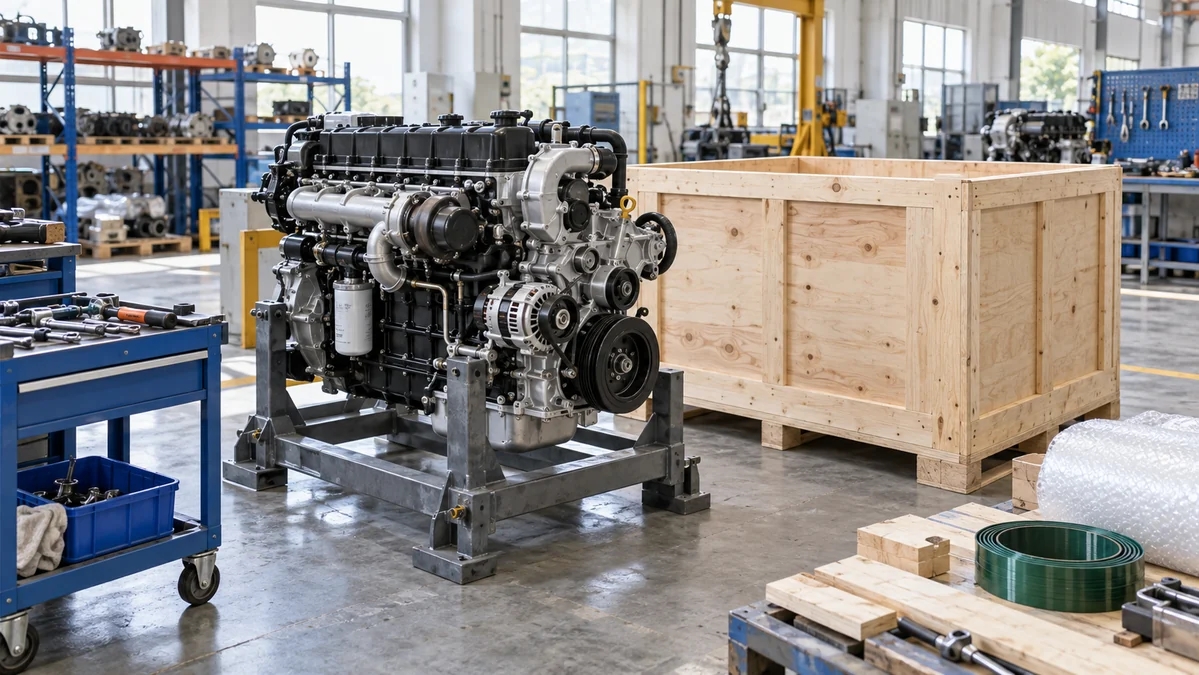
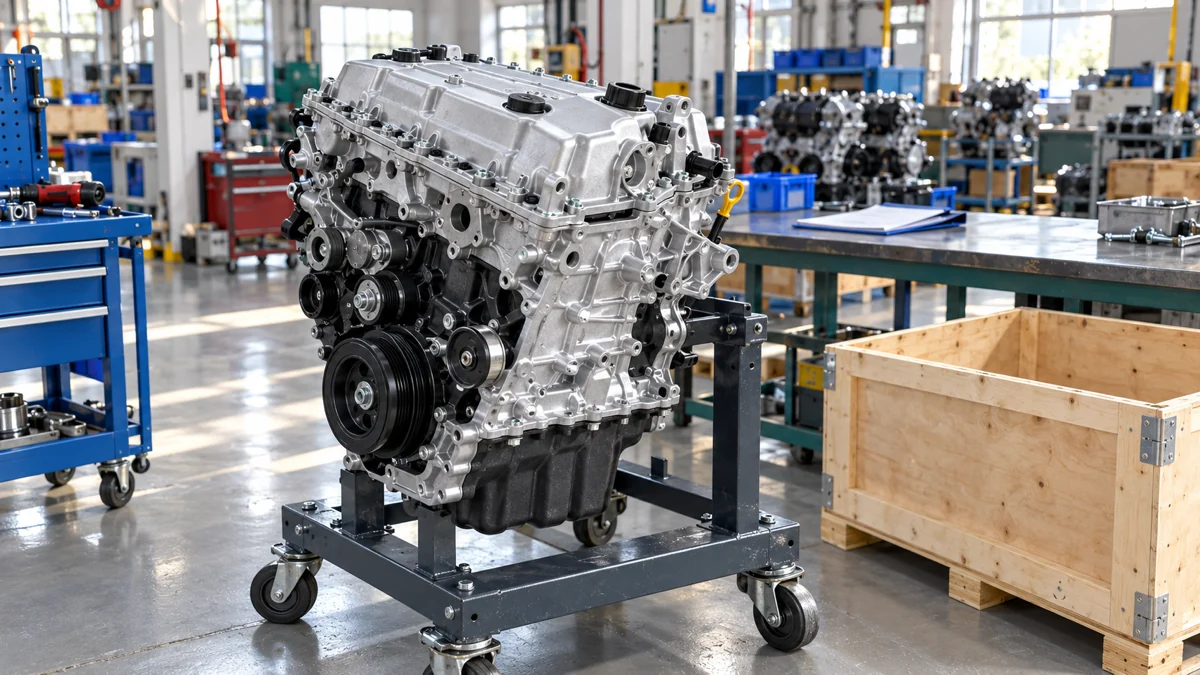
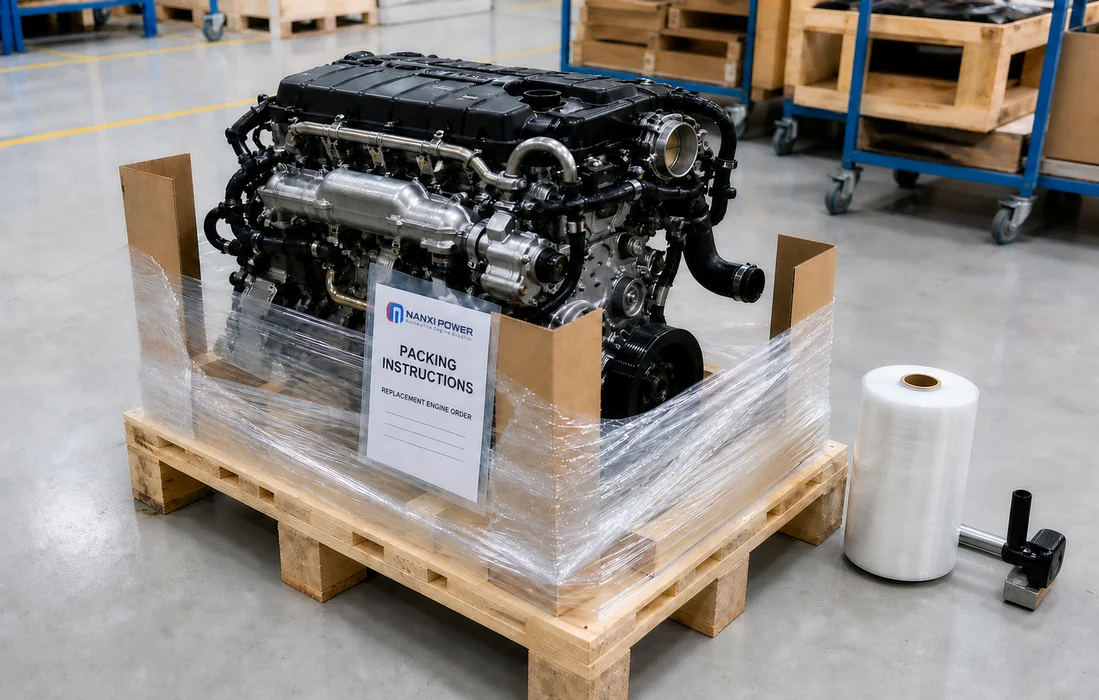
Packing is a later operational step, but its instructions should not be detached from the purchase order. If the parties agree a packing approach, neutral labeling request or document pouch requirement, identify the relevant reference in writing. The actual protection, support and handling details still depend on the product, route and agreement; an order should not claim a packing method that has not been confirmed.
How Can NANXI POWER Support a Purchase Order Review?
NANXI POWER can help review the original engine code, VIN and photos as part of preliminary identification, then compare the requested product form and visible configuration with the quotation discussion. The team can also support pre-shipment visual records and documentation references for the agreed order. Send the quotation reference, original-engine evidence, requested quantity, delivery country and any packing or document requirements so the next step can be reviewed without assuming fitment, included accessories or commercial terms.
Frequently Asked Questions
Is a quotation the same as a purchase order?
No. A quotation records an offer or discussion basis; a purchase order is the buyer’s written instruction. The PO should refer back to the accepted quotation and not silently change it.
Can I write “complete engine” without listing accessories?
Only use the agreed product-form wording. External accessories are not automatically included, so the PO should point to the confirmed quotation scope and supporting photos where relevant.
Does a VIN guarantee compatibility?
No. A VIN can support preliminary identification. Final confirmation normally also needs the original engine code, transmission, drivetrain and clear photos of the original engine.
What if a configuration detail changes after the PO is sent?
Record the change in writing and connect it to the existing quotation and PO references. Do not rely on an informal message to replace an agreed product-scope instruction.
Should packing details be on every purchase order?
Include only the packing or document references that have been agreed for that transaction. The final approach depends on the product, route and commercial arrangement.
Prepare a Clear Replacement Engine Purchase Order
Before sending your PO, share the quotation reference, original engine code, VIN where available, clear original-engine photos, requested quantity and delivery country with NANXI POWER. Use our contact page, WhatsApp or email. You may also visit the Made-in-China store, the Alibaba.com International store or follow NANXI POWER on LinkedIn.