Quick Answer
Remanufactured engine core return requirements should be agreed before commercial terms are accepted. A buyer should identify the requested core, record its visible condition, confirm who arranges return packing and freight, and keep the related quotation and documents together. A core policy is supplier- and transaction-specific, so do not assume that one program’s terms apply to another.
What Is an Engine Core in a Remanufactured Engine Transaction?
In this context, a core is the used engine or major assembly that a program asks a buyer to return, or asks the parties to account for, after a replacement unit is supplied. The word does not define the unit’s value, condition, return eligibility or commercial treatment by itself. Those points depend on the supplier’s written policy and the individual transaction.
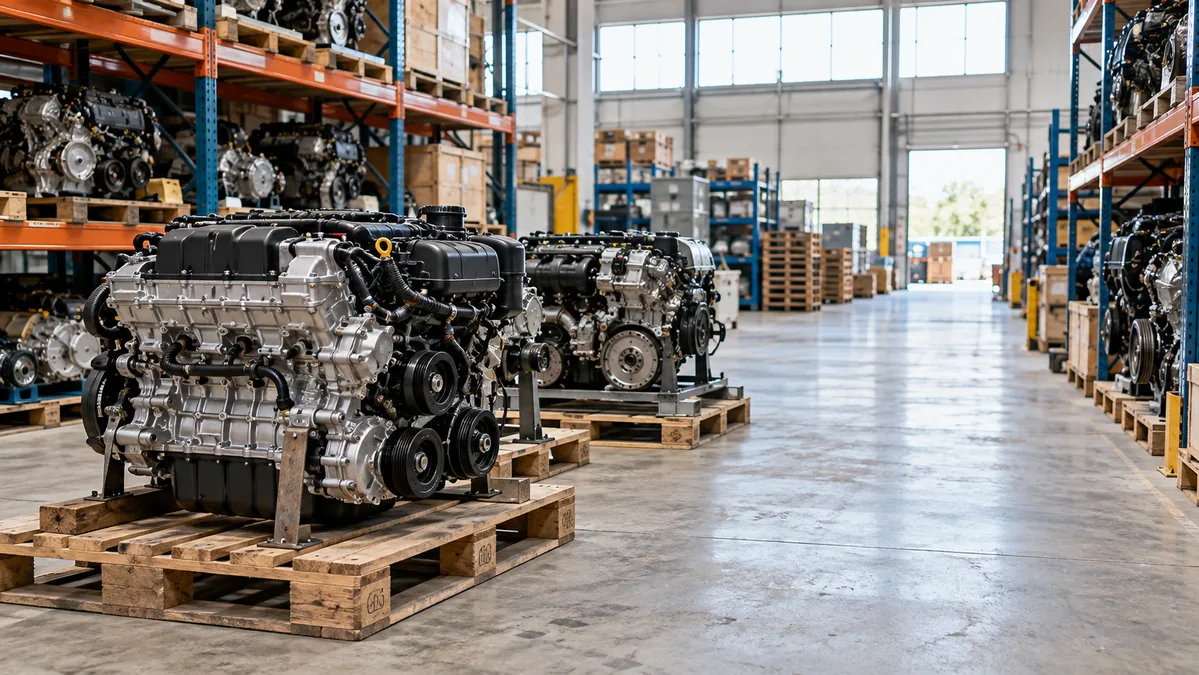
For an international B2B buyer, the safe approach is to treat the core as a separately documented physical item. Link it to the inquiry or quotation reference, then clarify the identification evidence, product form, collection point, packing responsibility, freight arrangement and any documents needed for the proposed return. The brand-new vs remanufactured engine guide explains why the product condition must be discussed separately from configuration and accessories.
Core Return Questions to Resolve Before You Agree
Build a Clear Evidence Set Before Moving the Core
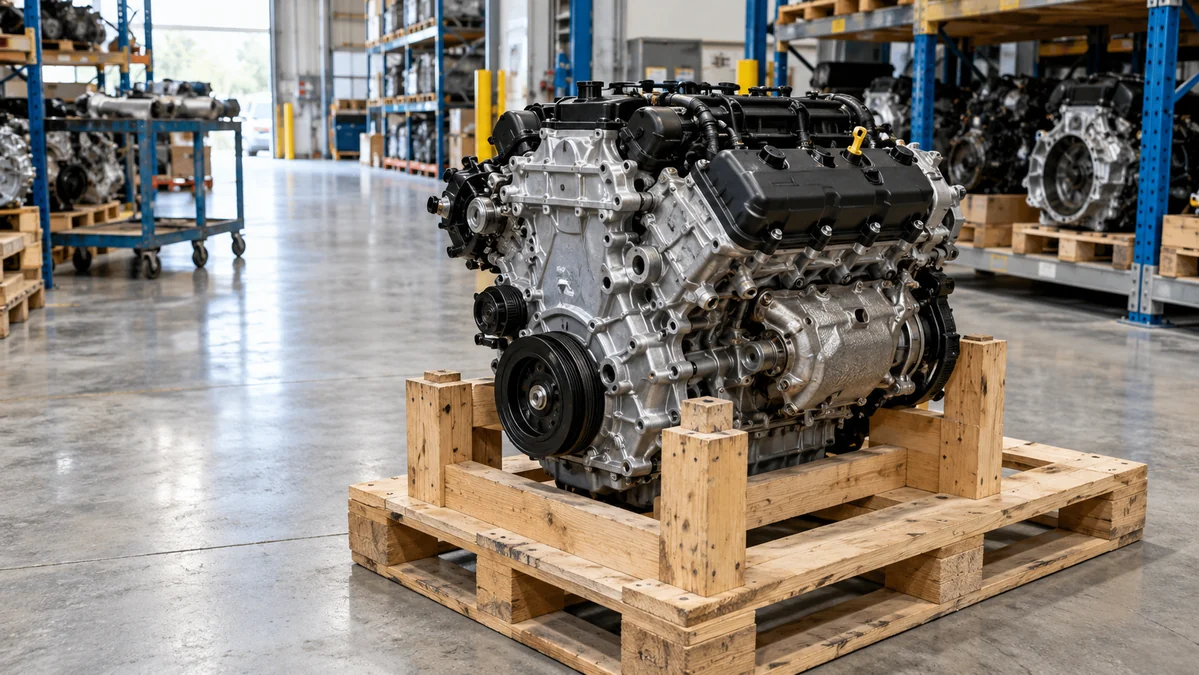
Start with photographs that make it possible to recognize one physical unit later: overall views from several sides, visible identification areas, and close-ups of damage or missing components when they are relevant to the proposed terms. Avoid relying on a cropped marking alone. An engine code, VIN and photos can support preliminary identification, but final configuration and commercial treatment still need case-specific confirmation.
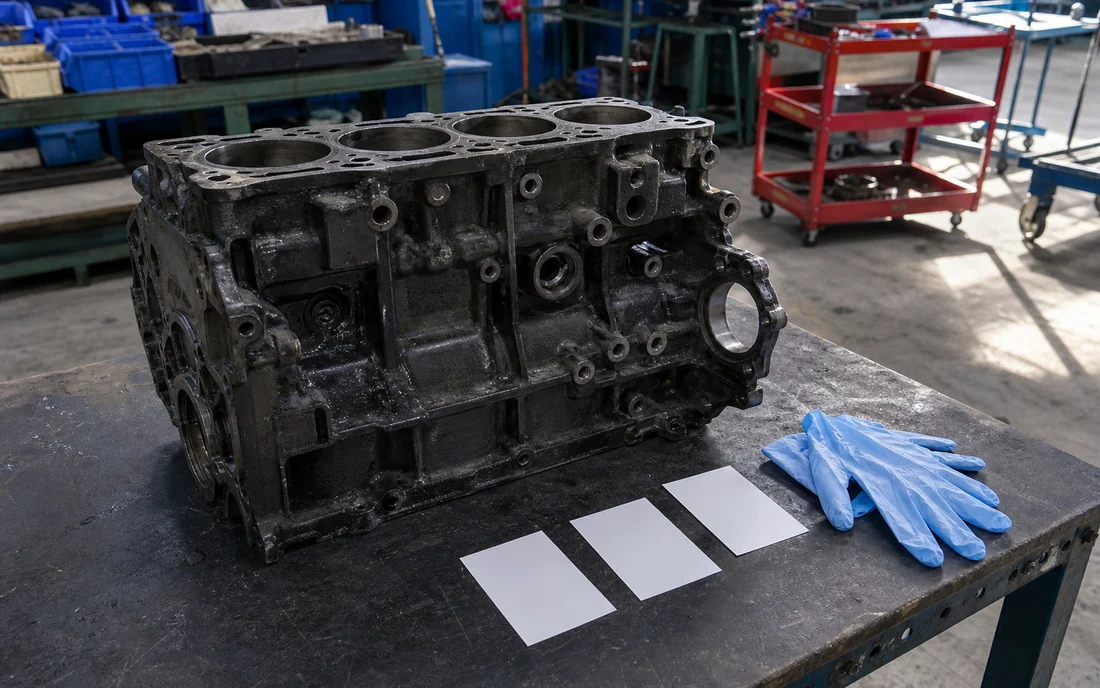
Keep the evidence set with the inquiry reference rather than sending unrelated images in several messages. The pre-shipment engine photo checklist offers a useful model for linking wider views and detail views to a single order record.
A Five-Step Buyer Workflow for a Proposed Core Return
- Describe the original unit. State the engine code when available, vehicle details, product form and the reason a core discussion is requested.
- Send context photographs. Include wide views, visible markings and relevant close-ups; label the images with the quotation or inquiry reference outside the image itself.
- Ask for the written transaction conditions. Clarify the requested core scope, review process, timing, packing and freight responsibilities without assuming a standard amount or outcome.
- Confirm the handover plan. Agree the collection point, packaging instructions and responsible logistics party before the unit is released.
- File the final records together. Retain the quotation, agreed instructions, photos, packing information and shipping documents.
When freight is involved, compare the proposed support and protection with the engine pallet vs wooden crate guide. For the commercial side, use an engine quotation checklist and keep the return reference aligned with the engine order shipping documents guide.
Do Not Treat Return Packing as an Afterthought
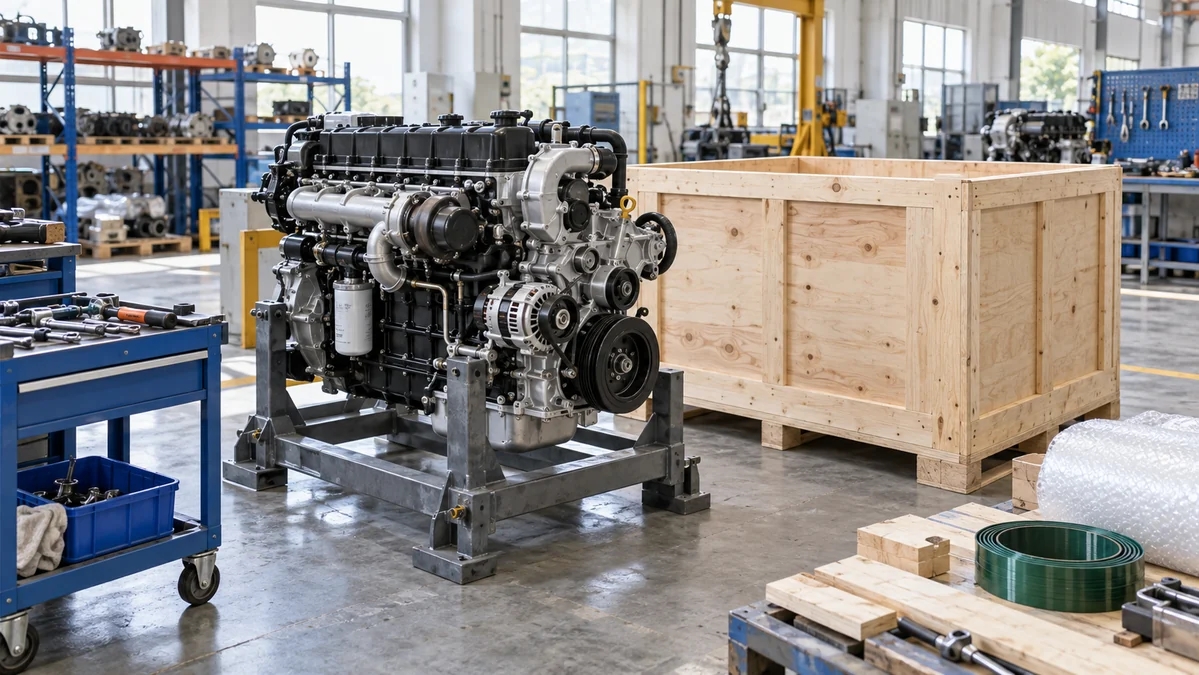
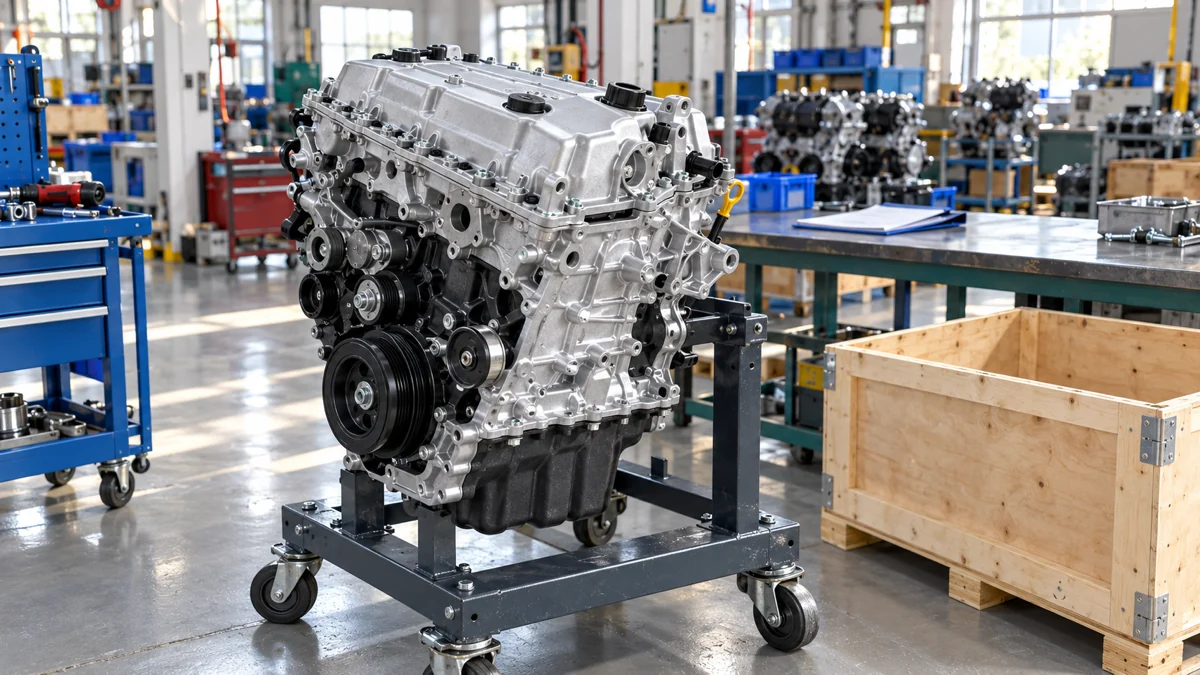
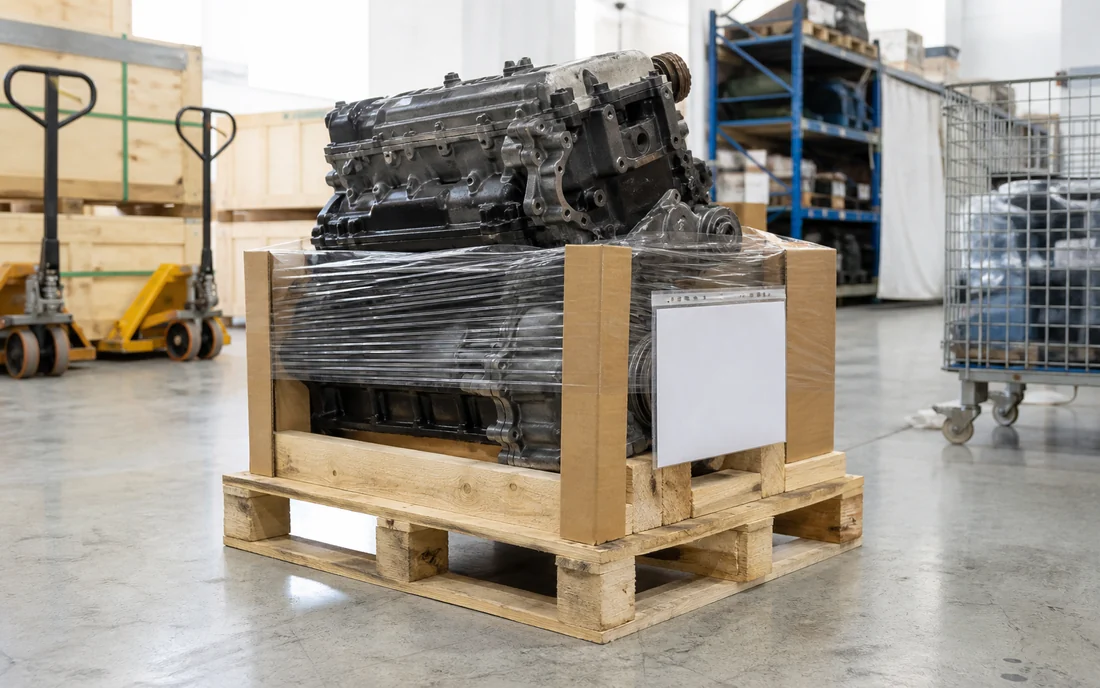
A core may be heavy, oily, incomplete or structurally different from a replacement unit. The appropriate support, protection and outer marking therefore depend on the actual core, route and agreed handover. Packing should preserve the physical unit and its associated records; it does not settle a condition question or replace written commercial terms.
How Can NANXI POWER Support a Core Return Discussion?
NANXI POWER can help review the engine code, VIN and original-engine photos as part of preliminary identification, then help organize the visible evidence and quotation details needed for a core discussion. The team can also support documentation references alongside the proposed packing and shipping conversation. Send the original unit’s photos, product form, requested quantity, delivery country and any supplier instructions already received so the next steps can be discussed without assuming eligibility or commercial terms.
Frequently Asked Questions
Is every used engine a returnable core?
No. A proposed return must be reviewed against the specific supplier policy and transaction terms. Do not assume that a used unit automatically qualifies.
Can an engine code alone identify the requested core?
No. An engine code can support preliminary identification, but photos, product form and visible configuration context are also needed for a meaningful review.
Should a core be returned before the replacement engine is ordered?
The sequence depends on the written terms for the individual transaction. Confirm the requested steps before arranging collection or freight.
Who pays for core return freight?
Freight responsibility is not universal. It should be stated in the quotation, agreement or written logistics instructions for that transaction.
What documents should be retained?
Keep the quotation reference, photo set, agreed instructions, packing information and any shipping documents together so the physical unit and commercial discussion remain connected.
Discuss Your Core Return Requirements
Send NANXI POWER the engine code, VIN, original-engine photos, product form, required quantity and delivery country before quotation. You can use our contact page, WhatsApp or email. You may also visit the Made-in-China store, the Alibaba.com International store or follow NANXI POWER on LinkedIn.