Quick Answer
An engine sample order checklist should define the question the sample must answer, the exact engine configuration, the records to collect and the decision required before a larger order. Agree on these points before purchasing. Keep the sample’s identity, photos and evaluation notes together, then separate confirmed findings from items still needing review. One sample can support a purchasing decision for its documented scope; it does not automatically establish compatibility, availability or consistency for every unit in a future shipment.
What Should an Engine Sample Order Establish?
Start with one specific purchasing question. A distributor might need to review a proposed configuration against an original-engine photo file. A workshop might need to clarify the included accessories before planning installation. An importer might want to review packing and document coordination. Write down which of these questions the sample is intended to answer instead of asking for a general “quality sample.”
Define an observable result for each objective: a configuration comparison completed, an accessory list agreed, a packaging observation recorded or a document discrepancy resolved. Name the person who will review the result. If a technical evaluation is planned, agree on its scope and required records with the supplier and a qualified reviewer before work starts. This checklist organizes purchasing decisions; it does not prescribe mechanical testing procedures.
The supplier evaluation checklist supports the broader supplier review. The sample plan should focus on the remaining questions that require an actual item or an agreed order process, rather than repeating information already settled in writing.
What Belongs in an Engine Sample Order Checklist?
Use a separate sample record even if the order contains only one engine. It should connect the inquiry, quoted item, received item and evaluation outcome. A useful checklist includes:
- Intended application information: Record the original engine code, vehicle information, transmission, drivetrain and original-engine photos relevant to identification. A VIN can assist preliminary review; it does not replace configuration confirmation.
- Exact sample description: Name the product form and condition as confirmed for the quoted item. Complete Engine, Long Block and other assembly descriptions require an explicit scope; a general engine name alone is insufficient.
- Included and excluded items: List the accessories and loose items expected with the sample. Reference the agreed photos and quotation version. Do not assume components visible in an earlier discussion are included.
- Evaluation objective: State the question, evidence requested, responsible reviewer and agreed review point. Keep a visual comparison separate from any installation or operating assessment.
- Commercial arrangements: Confirm sample quantity, price, payment, packing, shipping and any sample-specific arrangements in the written quotation or agreement. Do not assume a sample is free, refundable or credited against a later order.
- Arrival and review records: Keep shipment references, receiving photos and the evaluation file with the order identity. Record missing information as an open question rather than filling it with an assumption.
- Next-order boundary: Specify which approved details should be carried into a future quotation and which require fresh confirmation. The sample approval should describe its scope, not serve as an unlimited purchasing authorization.
For configuration questions, compare the proposed sample with the buyer’s original-engine information. Mark each difference for discussion without treating appearance alone as proof of interchangeability. The accessory configuration checklist helps organize the included scope.
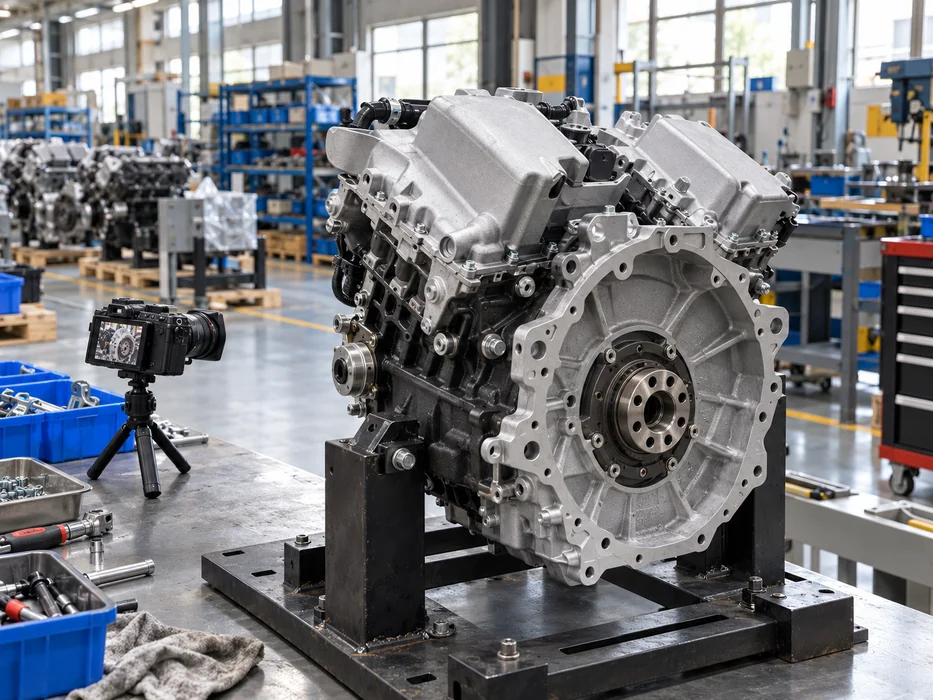
How Should Buyers Record What the Sample Actually Shows?
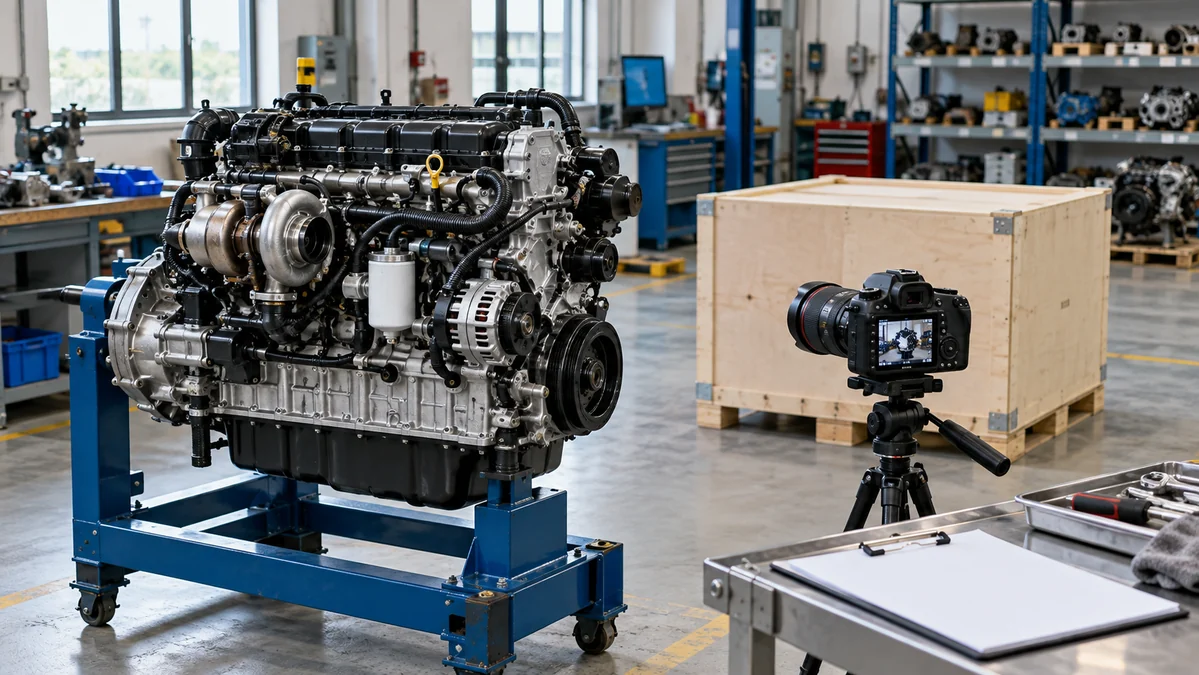
Give the sample file one reference shared by the purchasing contact and reviewer. Keep the confirmed quotation, configuration notes and original photos in that file. On receipt, record the item and packaging condition before changes where practical. Use the receiving inspection checklist for this arrival stage.
Describe observations precisely. “The photographed accessory is absent from the received sample” gives the supplier a question to resolve against the agreed list. “This supplier always omits accessories” extends one observation beyond its evidence. Include the date, item reference and photo file name so both parties can discuss the same finding.
Keep the review method visible in the conclusion. A packing review concerns the packing observed; a visual configuration comparison concerns the features photographed. If installation or operating observations are included, identify the reviewer and applicable records. Follow qualified technical guidance and product-specific instructions for any hands-on work.
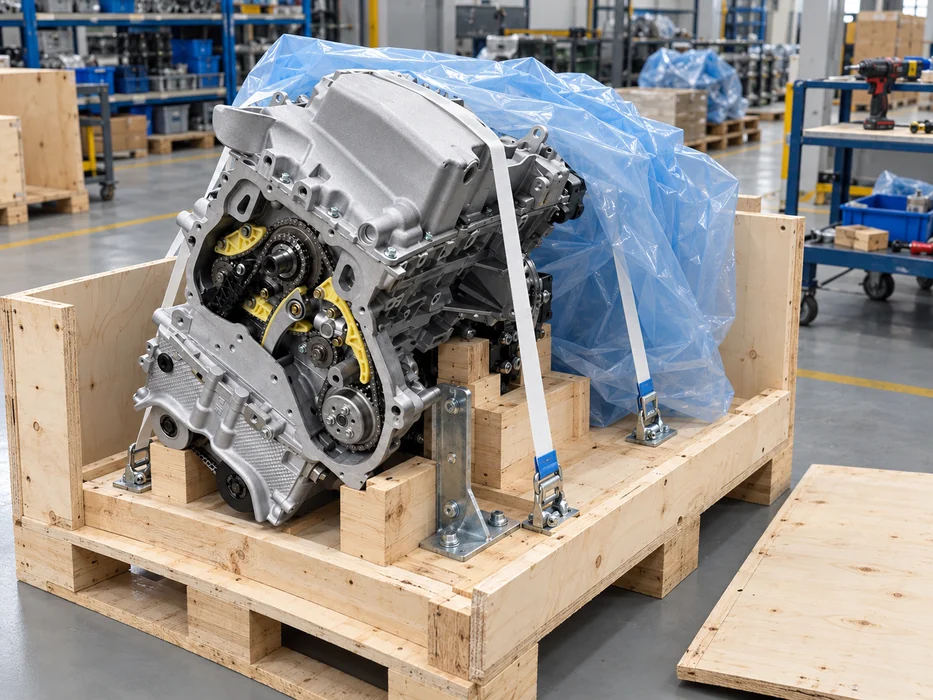
How Can Buyers Turn a Sample Review into a Clear Decision?
Use a decision record with three statuses. This structured checklist makes approval useful without concealing unanswered questions:
- Confirmed for this sample: Name the reviewed feature or process, the evidence and the person who accepted it. For example, record the specific accessory list that was compared with the received item.
- Clarification required: Describe the discrepancy or missing record, the question sent to the supplier and the person responsible for following up. Leave the decision open until the response has been reviewed.
- Outside this review: List items that were not evaluated, such as a different engine version, another product form or future shipment terms. Carry these into the next inquiry as questions requiring confirmation.
Before a larger order, prepare a fresh quotation request that references the accepted sample configuration and lists any planned changes. Reconfirm quantity, current availability, commercial terms and shipment requirements for that order. Sample approval is a reference for discussion, not a substitute for the next order’s confirmed documents.
What Is a Practical Buyer Workflow for an Engine Sample?
- Define the question. Choose the configuration or purchasing-process questions that remain unresolved.
- Confirm the item. Agree on engine identity, product form, condition, accessory scope and photo references.
- Agree on the review. Name the reviewer, evidence required and sample-specific commercial arrangements.
- Record receipt and findings. Keep arrival observations and review results with the sample order reference.
- Resolve discrepancies. Obtain written clarification and record which questions remain open.
- Make the next-order decision. Use the sample record as an input to a fresh, explicitly confirmed quotation.
How Can NANXI POWER Support a Sample Inquiry?
NANXI POWER can review the original engine code, VIN and original engine photos, then help clarify the proposed sample configuration and included accessories. Photos or videos can provide a visual reference before shipment, while quotation support can connect the required quantity, delivery country and commercial terms to the inquiry. Send the specific question you want the sample to answer alongside the identification file. Sample availability, evaluation arrangements and any later order remain subject to product-specific confirmation and agreement.
Frequently Asked Questions
Does an engine sample guarantee a later batch will match?
No. It provides evidence about the item and scope reviewed. Reference the accepted configuration in the later inquiry, then confirm the actual order’s product scope, records and commercial terms.
Should I order a sample before every engine purchase?
The need depends on the unresolved purchasing questions and the buyer’s review process. First identify what a sample would establish and whether that question can already be answered through confirmed documents or visual records.
What should I send when asking about a sample?
Send the original engine code, VIN when available, vehicle information, transmission, drivetrain, clear original-engine photos, desired product form, quantity and delivery country. Add the specific evaluation objective.
Can a sample review be completed with photos alone?
Photos can support visible configuration and packing discussion. They do not establish every internal or operating characteristic. Define what the review covers and obtain the appropriate evidence for questions outside a visual comparison.
Are sample costs deducted from a later order?
Only if that arrangement is explicitly confirmed. Ask about sample-specific pricing, shipping, return or credit arrangements and record the agreed terms before purchasing.
Prepare a Focused Sample Inquiry
Send the identification file, requested configuration, quantity, delivery country and evaluation objective through Contact NANXI POWER, WhatsApp or Email. Visit our Made-in-China store, Alibaba.com International store or LinkedIn page.