Quick Answer
Good engine warranty claim documentation connects the order and engine identity to a dated account of the issue, clear unedited photos or video, and any installation or service records requested by the agreement. First check the order’s written warranty and reporting instructions. Then preserve the item and packaging where practical, record what happened in sequence, and send one organized evidence file. A complete file helps the buyer and supplier review the same facts; it does not determine the outcome or replace the terms agreed for that product.
What Should a Buyer Do First When Reporting an Engine Issue?
Read the order’s written warranty, sales agreement and any claim instructions before deciding what to send. Check how the product is identified, how and when a concern must be reported, which records are requested, and whether the supplier should review the issue before further operation, disassembly, repair or disposal. These requirements can differ by product and agreement, so do not assume one order’s process applies to another.
If a new sound, leak, warning or other concern is observed, write down what was noticed and when. Avoid presenting a suspected cause as a confirmed diagnosis. If the engine or vehicle may be unsafe to operate, follow the equipment maker’s and qualified technician’s safety guidance. Where practical, keep removed parts, packaging and related records until the supplier or agreement gives instructions.
Send an early notice when the agreement or its instructions call for one, even if some supporting records are still being collected. Say which items are attached, which are pending and who will provide them. The batch traceability checklist explains how order references and product identity can be kept together in a buyer’s records.
What Belongs in an Engine Warranty Claim Evidence File?
Build a short file that makes it easy to identify the transaction, understand the timeline and review the reported condition. The agreement controls which items are required. A practical starting checklist is:
- Order identity: Include the purchase order or invoice reference, supplier reference, product description and the engine code or serial identification if it was recorded for that item. Keep the label or marking visible in an original photo when available; do not infer a missing identifier from appearance.
- Issue summary: State what was observed in plain language, the date it was first noticed, the operating or installation stage at the time and what action followed. Separate direct observations from a technician’s opinion or an unconfirmed possible cause.
- Dated chronology: List key events in order: receipt, inspection, installation, first operation, symptom, inspection or repair attempt, and supplier contact. Add distance, running time or other readings only when they were actually recorded and are relevant to the request.
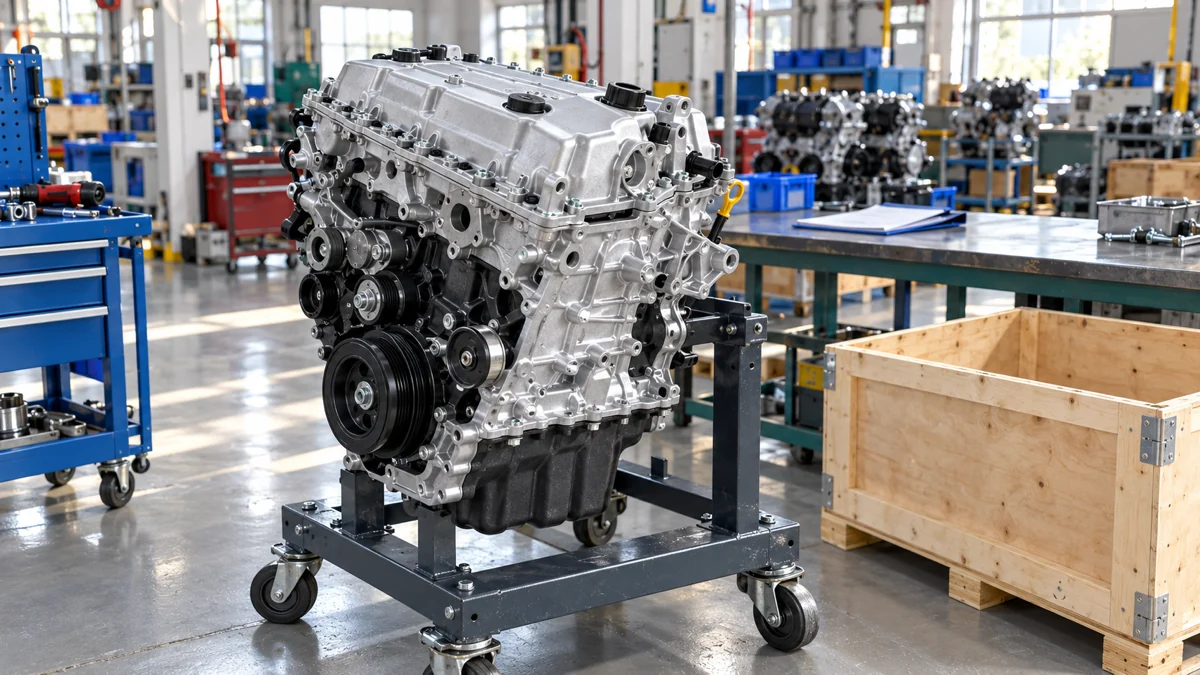
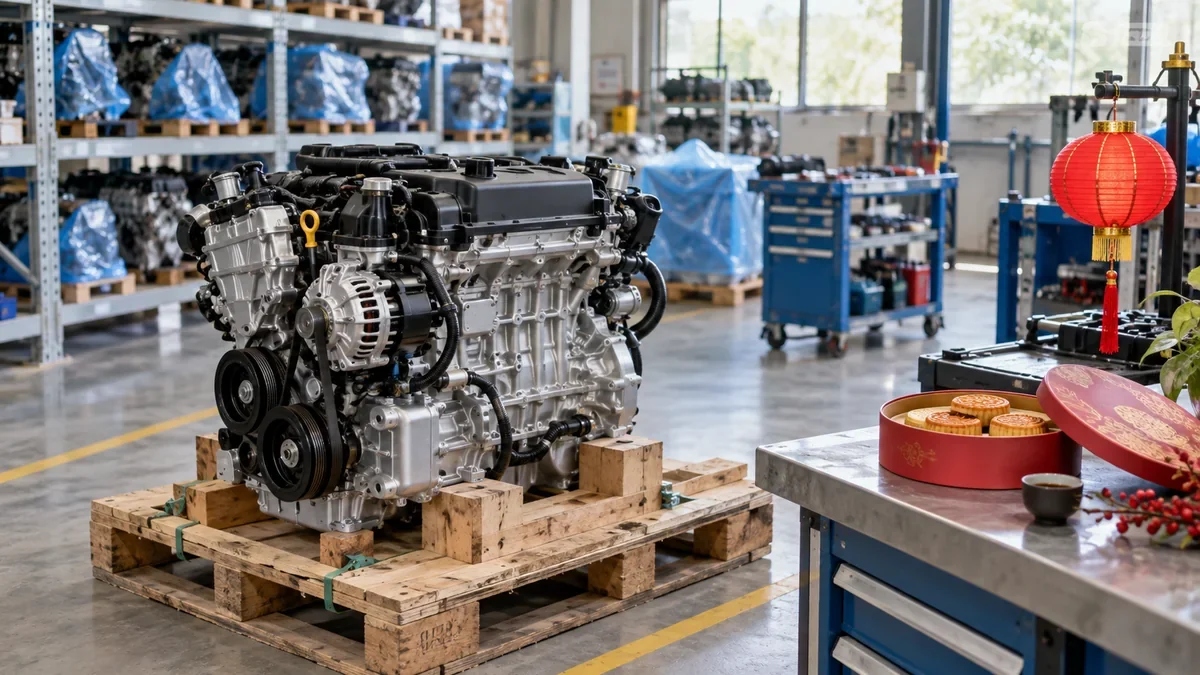
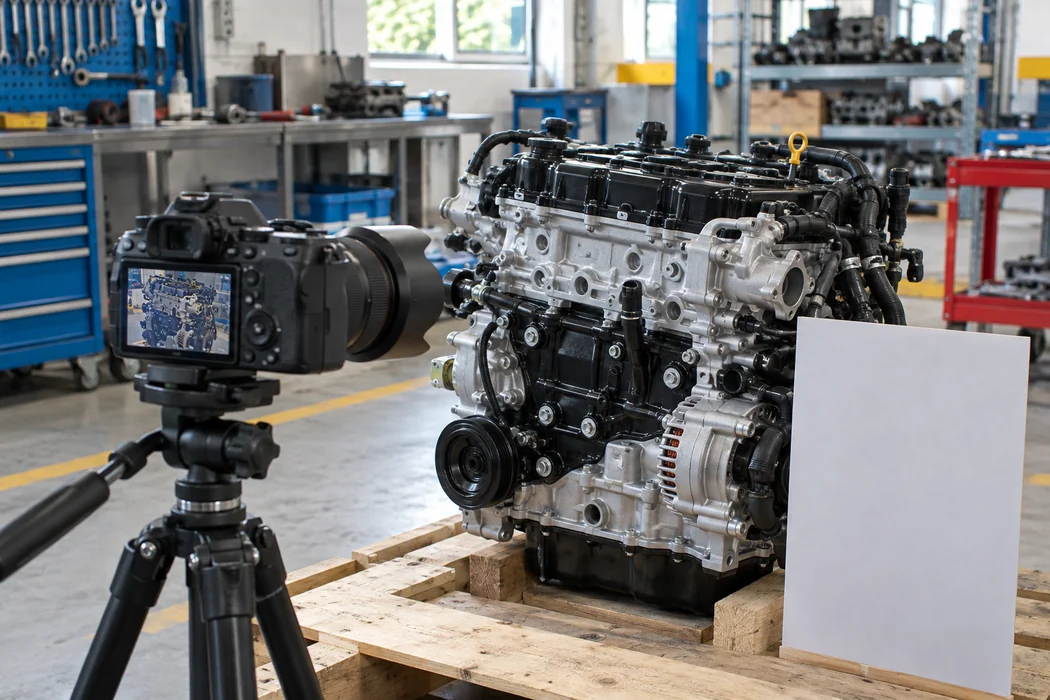
- Original photos or video: Provide an overall view, a closer view of the reported area, any visible identification, and surrounding connections or parts that help locate it. Keep the original files and note when and where each image was taken. Do not crop away context, add arrows to the only copy or combine unrelated images into a misleading comparison.
- Installation and service records: Attach the records requested by the agreement, such as an installation report, work order or relevant service notes, when applicable and available. Identify who performed the work and its date if the documents show that information. Do not create a missing record after the event.
- Parts and packaging: If a removed component or shipping package may help explain the report, photograph it in place before moving it when practical, then label and store it safely. Note any handling or repair already performed. Ask before discarding material that could be relevant.
- Request and contact details: Explain the next action requested—such as technical review or written instructions—and name the person who can answer questions. Keep the supplier’s response, file list and any follow-up request with the same order record.
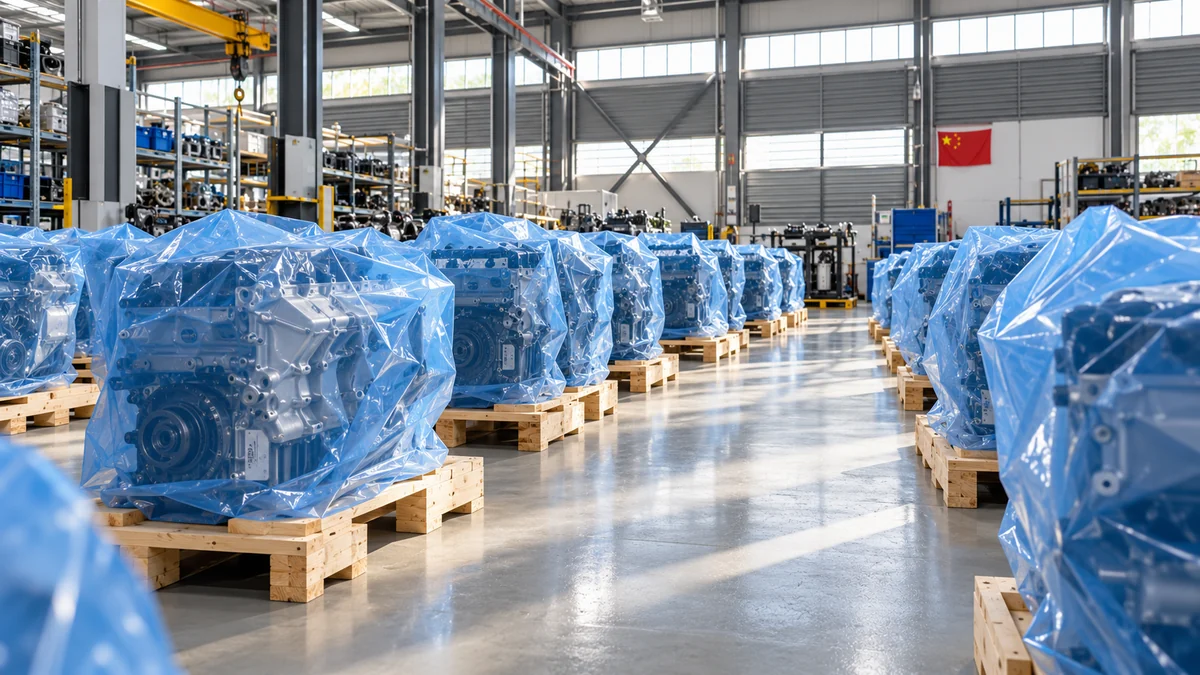
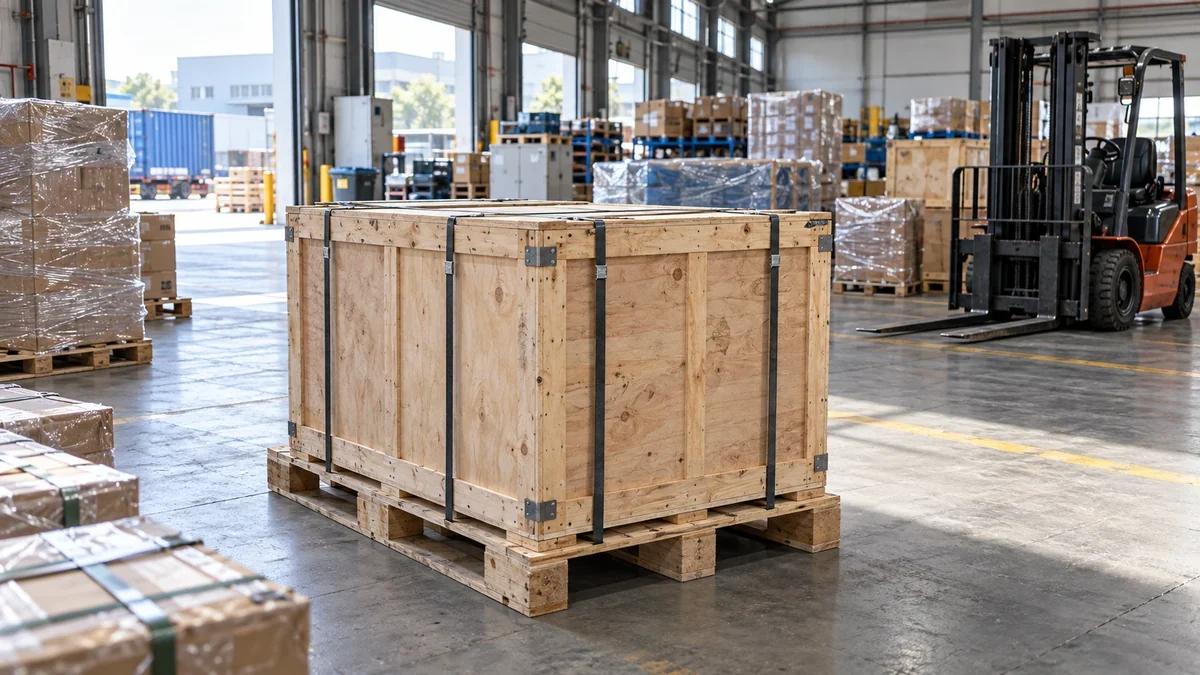
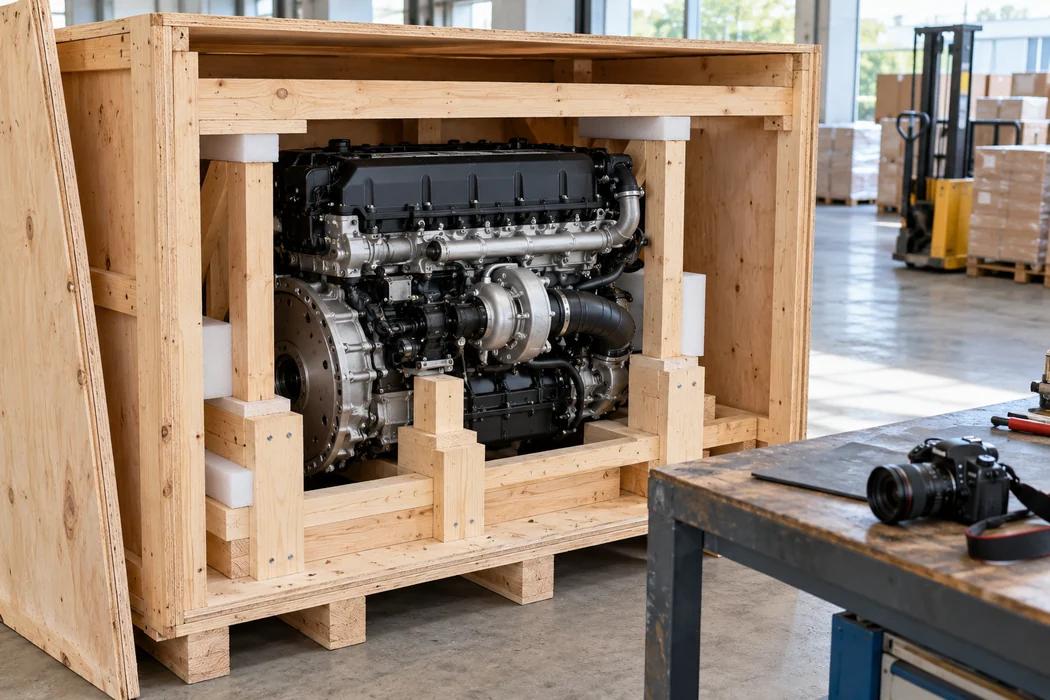
Useful images show context as well as detail: one view to locate the area, then close views that are in focus and well lit. If the issue concerns arrival condition, include the outside of the crate or package, its visible condition and the product after opening, where those images exist. The pre-shipment engine photo checklist and receiving inspection checklist offer related ways to keep visual records with an order.
How Can Buyers Keep the File Clear and Credible?
Use one folder for each order and name files by date and subject, for example “2026-09-12_overall-engine.jpg” or “2026-09-12_crate-exterior.jpg.” Preserve the original image files. If you need to mark a copy for discussion, keep the unedited original beside it and state what was added. A simple index can show the file name, date, location and the point it documents.
Write the timeline in neutral language. “Oil visible below the engine at first inspection on 12 September” records an observation; “the seal failed before shipment” assigns a cause that may not yet be established. If a qualified technician provides a written assessment, label it as that person’s assessment and attach the source document rather than rewriting it as a confirmed supplier finding.
Do not alter the product, continue a repair or dispose of parts solely to make the file look complete. Follow the agreement and request written instructions when the next step is unclear. The installation preparation checklist can help buyers maintain relevant installation information from the start of an order.
What Is a Practical Claim Review Workflow?
- Check the applicable terms. Find the warranty wording and claim instructions for the specific product and order.
- Send the initial notice. Use the stated contact route and deadline if the agreement specifies one. Briefly identify the order and observed concern.
- Preserve relevant evidence. Keep original photos, product markings, packaging and parts where practical, and follow any handling instructions.
- Prepare a dated file. Combine the order identity, chronology, images and requested installation or service documents. Mark anything unavailable instead of guessing.
- Ask for the next step in writing. Confirm what additional inspection, information or action is requested and who is responsible for it.
- Record the outcome. Keep the response and any agreed action, timing or commercial decision with the order file. Apply only the terms confirmed for that case.
This process organizes information; it cannot decide whether a claim is covered or what remedy applies. Coverage, response steps and any remedy depend on the product, evidence and commercial agreement. Keep that distinction clear in internal notes and customer communications.
How Can NANXI POWER Support an After-Sales Review?
NANXI POWER can compare the reported engine code, product form and confirmed configuration with the order information, then review the buyer’s dated photos or videos and applicable documentation. When shipment visuals are available, they can provide another point of reference for discussing the reported condition. The buyer should include the order reference, a neutral timeline and any installation or service documents requested for that product. Any review, next step and applicable warranty term remain subject to the specific product and commercial agreement.
Frequently Asked Questions
What should I send first when reporting an engine claim?
Send the order reference, product identity if recorded, a short factual description of the concern, the date it was noticed and clear original photos if available. Check the agreement for the required notice route, timing and additional records.
Which photos are useful for an engine warranty claim?
Start with an overall view that locates the reported area, then add focused, well-lit close views and any visible product identification. Include packaging when arrival condition may be relevant. Keep the unedited originals and label when each photo was taken.
Should a buyer repair or disassemble the engine before submitting evidence?
Check the order’s written instructions first and ask the supplier for guidance if the next step is unclear. Record the condition before any work when practical, keep removed parts and document work already performed. Safety decisions should follow qualified technical advice and the equipment maker’s instructions.
What if an engine identifier or service record is missing?
State clearly that the item was not recorded or the document is unavailable. Provide the order reference and other original records that connect the product to the transaction, then ask which additional evidence can be used. Do not reconstruct identifiers or create records after the event.
Does a complete claim file guarantee a replacement or refund?
No. Documentation helps the parties review the same information, but coverage and any remedy depend on the specific product, evidence and agreement. Confirm the applicable terms in the order documents and keep the written decision with the case file.
Organize an Engine After-Sales Inquiry
Share the order reference, engine code or recorded identifier, a dated description of the concern, original photos or video and the service records requested by the agreement. For a product-specific review, use Contact NANXI POWER, WhatsApp or Email. You may also visit the Made-in-China store, the Alibaba.com International store or LinkedIn page.