G4NH oil consumption needs a documented diagnosis before an engine order. Start with the vehicle identification number (VIN), the original engine marking and the vehicle’s sales market. For a Kia Soul or Seltos, ask the local Kia dealer to check campaign history: the US SC209 documents describe a piston-ring problem on certain vehicles. A G4NH code alone does not establish recall eligibility, the cause of oil loss or replacement-engine compatibility.
If the oil-pressure warning stays on, the engine develops a new knock, or there is smoke or a burning smell, stop safely and arrange professional assistance. Do not keep driving to complete an oil-consumption log.
Check the vehicle before applying a recall bulletin
A supplier inquiry saying “G4NH, burning oil” leaves two questions unanswered: what has failed, and which engine configuration is needed? Record the VIN, model year, production date, original sales market and engine-number photograph. The engine code and engine number guide explains why the model label and the individual unit’s identification belong in the same inquiry.
Kia’s historical US campaign SC209 covers certain 2020–2021 Soul and 2021 Seltos vehicles with the 2.0L Nu MPI Atkinson engine. Its September 2021 bulletin lists Soul production from November 24, 2018 through October 24, 2020, and Seltos production from November 20, 2019 through October 15, 2020. These ranges are a screening reference; the actual affected-VIN record must be checked.
The bulletin describes improperly heat-treated oil rings that can chip and damage the cylinder bore, leading to increased oil consumption. Continued operation can cause further engine damage, a stall or, in some cases, fire. It calls for inspection and engine replacement when required by the campaign procedure. See Kia SC209, revision 3.
Ask the dealer which campaigns remain open, which were completed and whether a subsequent repair action applies. For other countries, model years or vehicles, obtain the relevant local manufacturer information. A historical US bulletin cannot establish today’s coverage for an imported vehicle or a different application.
Ask for a record that separates the symptom from the cause
“Needs topping up” is a useful complaint, but it is not a measured consumption rate. When the vehicle is safe to inspect, ask the workshop to record the following information rather than sending only a photograph of the dipstick.
- Oil-loss record: starting mileage, later mileage, dates and measured oil added, with the checking method and oil used. Have the workshop assess this against the vehicle’s current manufacturer procedure; do not borrow a pass/fail limit from another engine.
- Visible findings: the location of any external oil leak, relevant photographs and the workshop’s explanation of whether the observed leak accounts for the reported loss.
- Diagnostic record: stored fault codes and the conditions when the warning or noise appeared. Preserve the original scan report before a code is cleared.
- Repair recommendation: the confirmed fault, tests supporting it, and why the proposed repair addresses that fault. If internal damage is reported, request cylinder-specific photographs or measurements where the manufacturer’s inspection procedure calls for them.
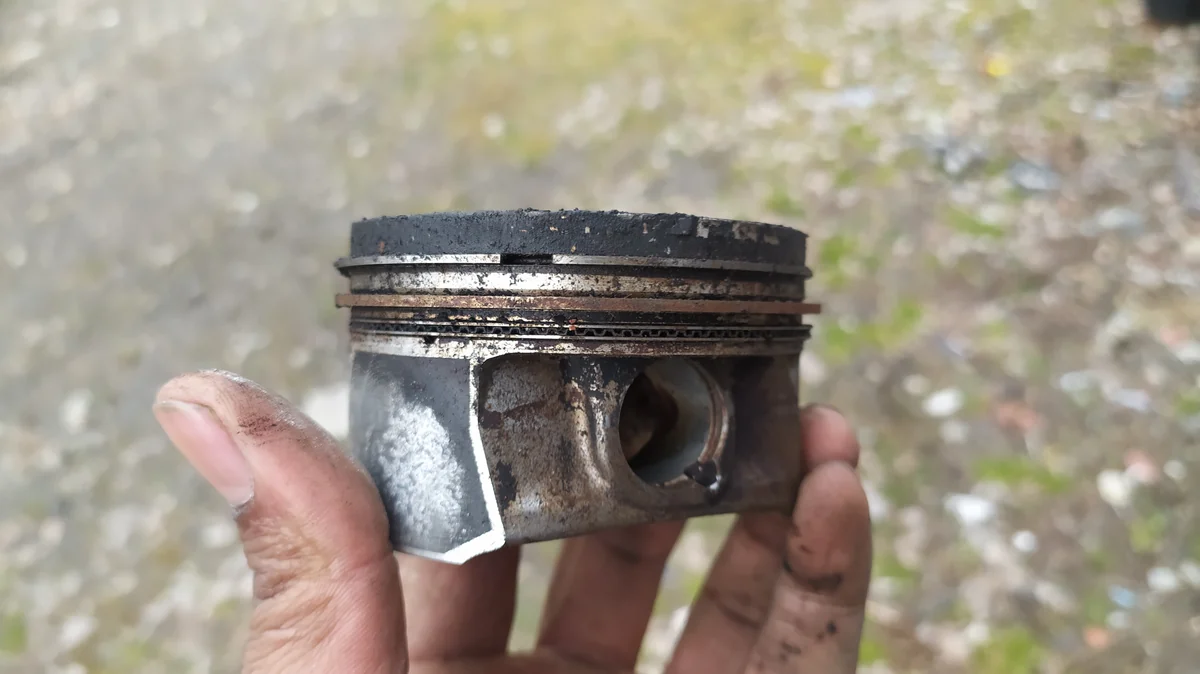
The real photograph makes the ring area easier to recognize. It does not identify the oil-loss cause in your vehicle: a photograph of a different used piston cannot prove a G4NH ring defect. Equally, visible deposits are not a substitute for the inspection findings needed to decide whether an engine assembly must be replaced.
Keep P1327 in its campaign context
Kia’s later SC209Y bulletin addresses P1327 after the SC209A engine-control software improvement on affected vehicles. It identifies P1327/P132700 as piston-noise detection and requires the affected VIN to be verified before its replacement instructions are used. See SC209Y, revision 1, April 2022.
Send both the code and the campaign-completion record to the dealer. Do not treat that code as a universal instruction to replace every engine advertised as G4NH, or assume that a previous software update means mechanical damage has been repaired.
Define the replacement order after the repair route is clear
Resolve the campaign route before committing to a private engine purchase. If the workshop and owner proceed with an aftermarket replacement, keep its configuration check separate from the diagnosis. The fact that an engine needs replacement does not identify every component that the supplier must include.
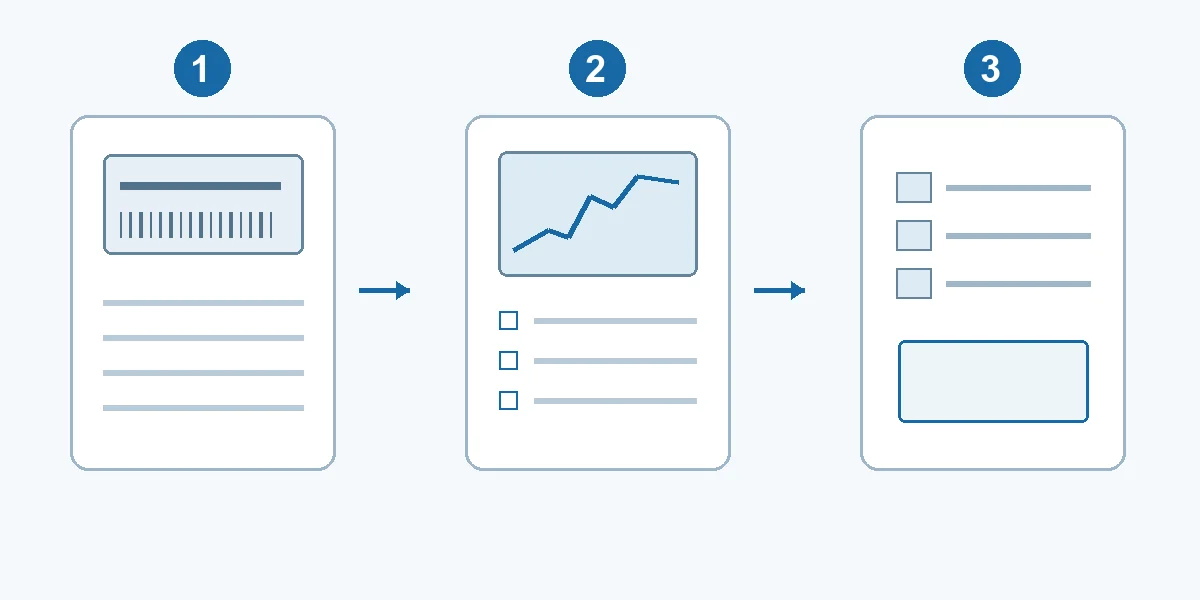
Use three linked records: vehicle identity, workshop findings and the quotation. Each answers a different question. This also gives a distributor a way to keep several similar inquiries separate without relying on a single engine-code field.
For the proposed replacement, confirm:
- Identification: VIN, original engine code and number, vehicle model, model year, market, transmission and drive layout.
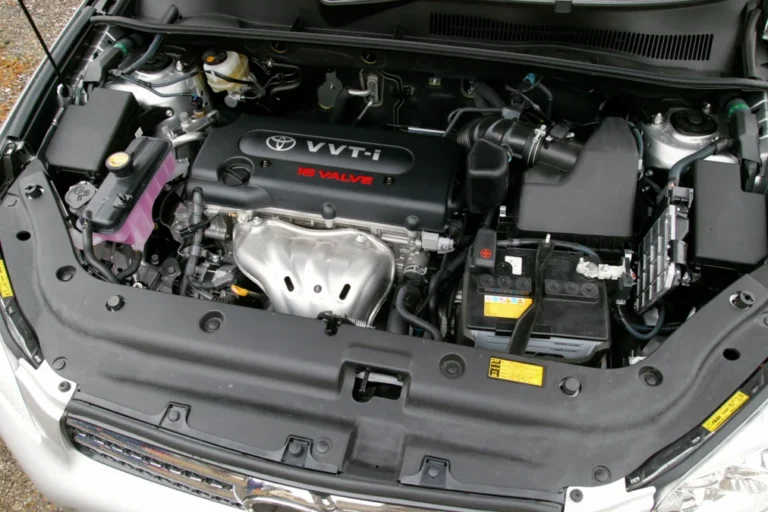
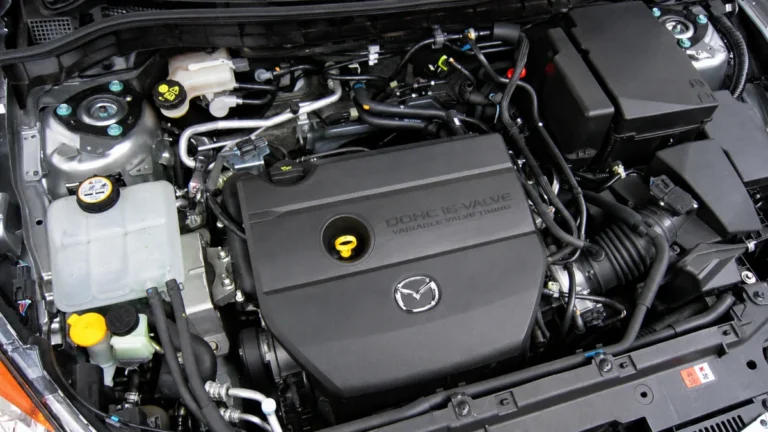
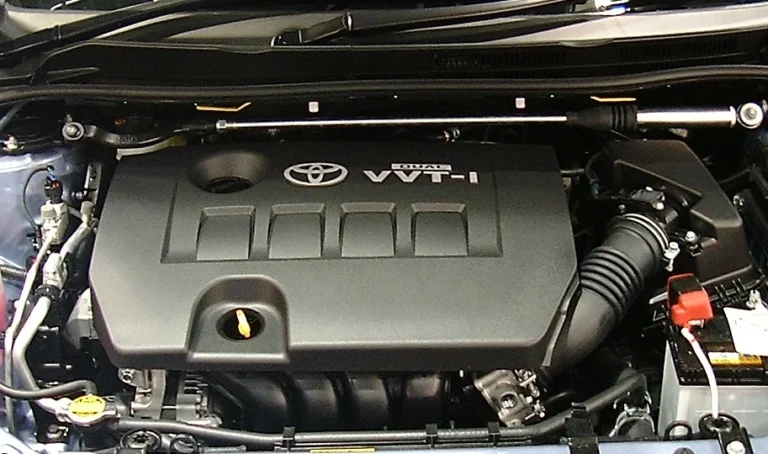
- Visible configuration: clear photographs of the original timing-cover side, oil pan, mounts, intake and exhaust sides, and electrical connectors. Ask the supplier to explain any visible difference before acceptance.
- Assembly boundary: the exact parts supplied, parts transferred from the original engine, and parts the workshop must obtain separately. Use the complete engine and long block comparison to define the quotation’s wording.
- Workshop approval: confirmation that retained components are suitable for reuse and that the installation plan follows the vehicle’s current service information.
If the diagnosis still leaves a choice between repair and replacement, compare both written scopes using the repair-or-replace decision guide. Compare the work and components included, not just the engine’s quoted price.
Prepare a G4NH inquiry with NANXI POWER
NANXI POWER is an automotive aftermarket engine and engine assembly supplier in Zhengzhou, China. Send the original engine marking, VIN, vehicle details and photographs with the workshop’s confirmed replacement scope. The team can assist with engine identification and configuration confirmation, then clarify the accessories included in the quotation. Keep the dealer’s campaign decision with your workshop records; supplier matching does not determine recall eligibility. Ask for written confirmation of any configuration difference before approving the order.
Current catalogue: G4NH Engine Long Block and Hyundai engines. The catalogue label is a starting point for inquiry; confirm the particular vehicle and assembly before ordering.
Contact NANXI POWER · WhatsApp · Email
Made-in-China · Alibaba.com International · LinkedIn
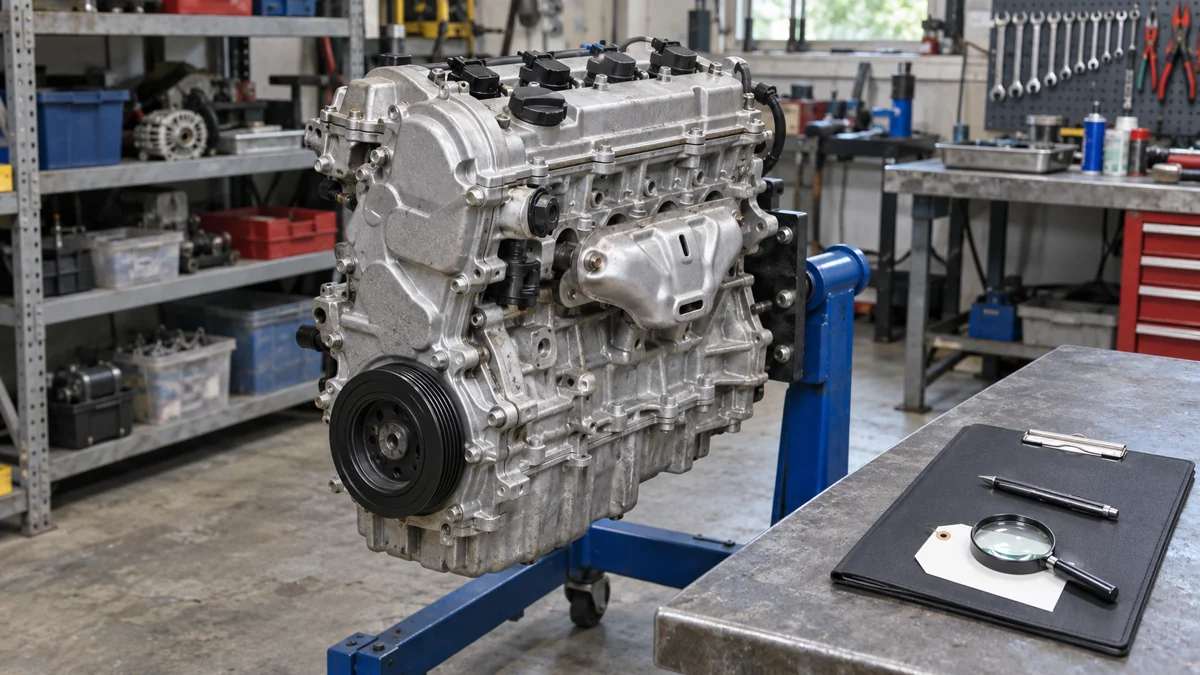
Image notes: the cover is an illustrative engine-identification workspace, not a photographed G4NH unit, factory record or repair case. Piston photograph: Anoopfrancis / Wikimedia Commons, CC BY-SA 4.0; resized without retouching, with its original condition preserved. The adapted photograph remains under the same license. Numbered document diagram: original illustration; it represents a purchasing workflow, not a diagnostic test.