Quick Answer
Replacement engine installation preparation means organizing the engine identity record, written scope, workspace and visible comparison points before the delivered or original engine is altered. For distributors and workshop networks, a short pre-installation record keeps the engine code, photographs and commercial references connected to the same unit when a configuration question needs review.
Why Prepare Before Installing a Replacement Engine?
Installation is often the point at which packing materials are removed, external items are transferred and the engine’s original visible condition begins to change. A workshop may need to move quickly, but an organized record gives the purchasing team a reliable reference if it later needs to ask about the agreed product form or a visible configuration point.
Preparation is not a fitment guarantee or a substitute for a workshop’s own safety and installation procedures. It is a B2B communication discipline: preserve useful evidence, compare the order information and pass a clear record between the warehouse, distributor and installer.
What Should Be in the Record for Each Engine?
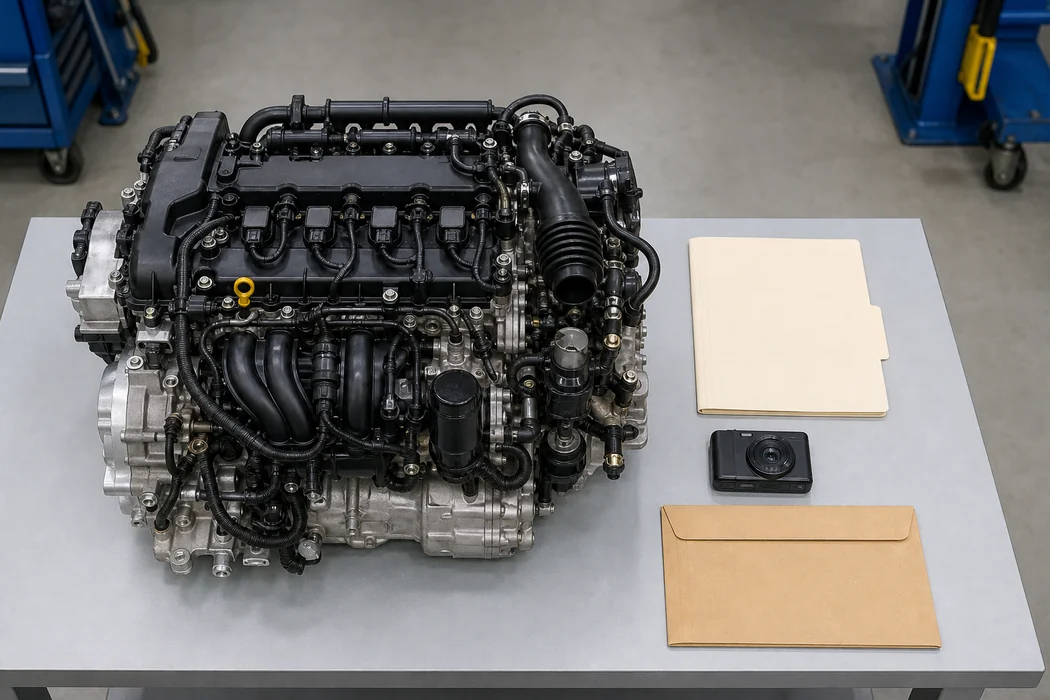
Create a separate folder or job record for every unit. Keep the purchase reference, packing reference where available, engine code, vehicle information supplied by the buyer and original-engine photographs together. Do not merge images from several engines into one folder simply because the units appear similar.
The engine code and engine number can serve different purposes. Use the engine code identification guide to keep those references distinct. A VIN can support preliminary identification, but it should be reviewed with the original engine code, transmission, drivetrain and clear original-engine photos.
How Should Buyers Confirm Product Form and Scope?
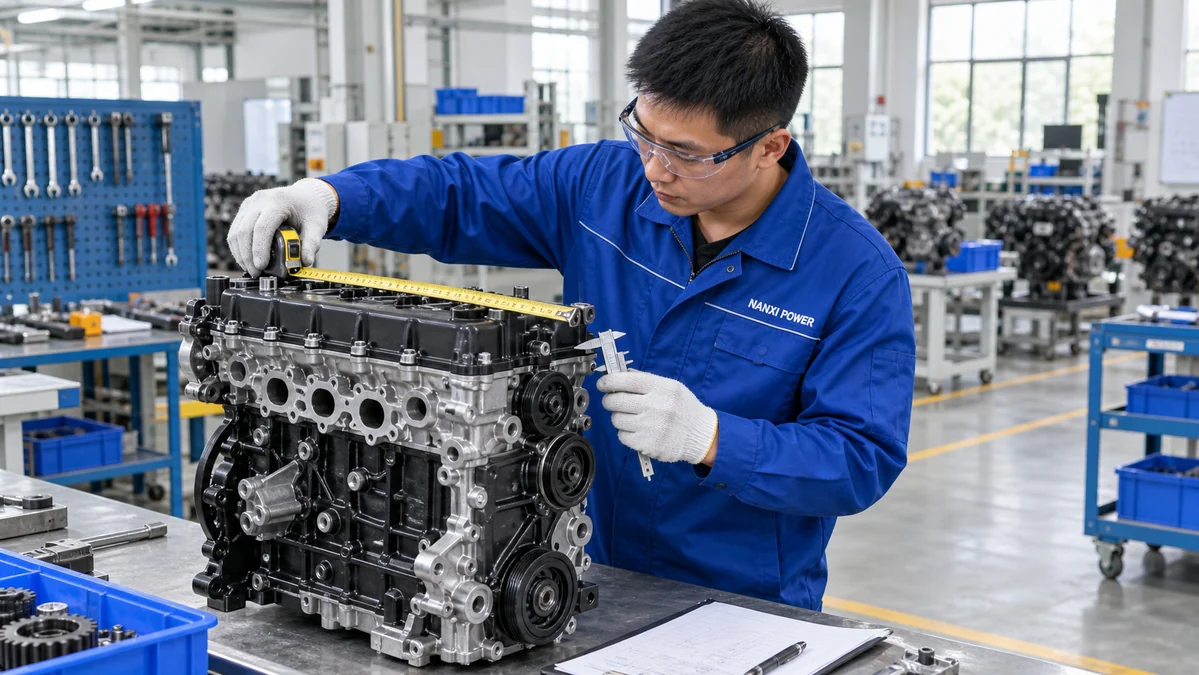
Before moving parts from the original engine, compare the delivered form with the written quotation and agreed configuration. Complete engine, long block, base engine and short block are different product forms. They should not be treated as an automatic promise that every external item is included.
Use the engine assembly comparison guide for the vocabulary, then use the specific quotation, photos and commercial agreement to confirm the selected scope. This prevents a transfer item from being described as missing when it was not included in the chosen configuration.
A practical scope checklist
- Product form: record the supplied description and visible overall form.
- External accessories: record what is visibly present or separate; do not infer inclusion.
- Interfaces: photograph visible mounting, transmission and connection areas.
- Commercial reference: keep the quotation and packing documentation with the same engine record.
How Can a Controlled Work Area Support Preparation?
Use the workshop’s normal lifting, storage and personal-protection procedures. For record-keeping, keep loose hardware and removed parts in identifiable trays or bags, and photograph their position when the sequence matters. This does not prescribe a repair method; it helps a multi-person team preserve context around the job.
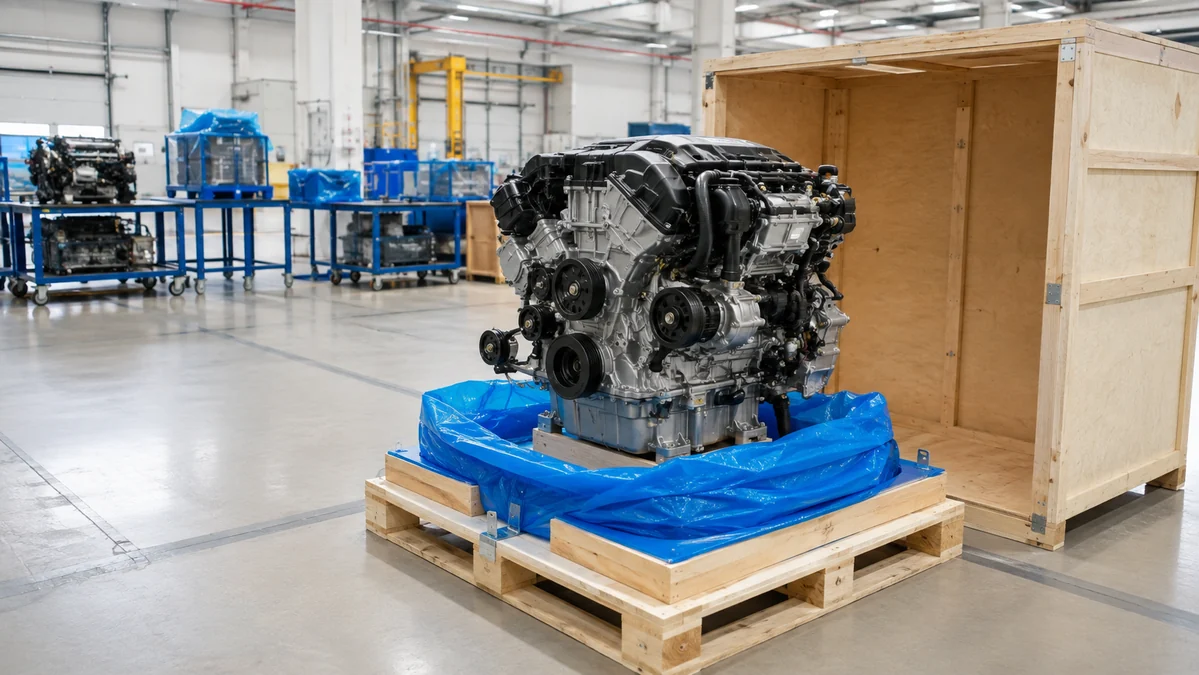
Keep open interfaces clear during normal handling and retain delivery materials until the arrival record is complete. If an engine will remain in storage, keep its identification reference connected to the unit. For export-oriented packing context, see the engine packaging checklist.
Which Visible Details Should Be Compared?
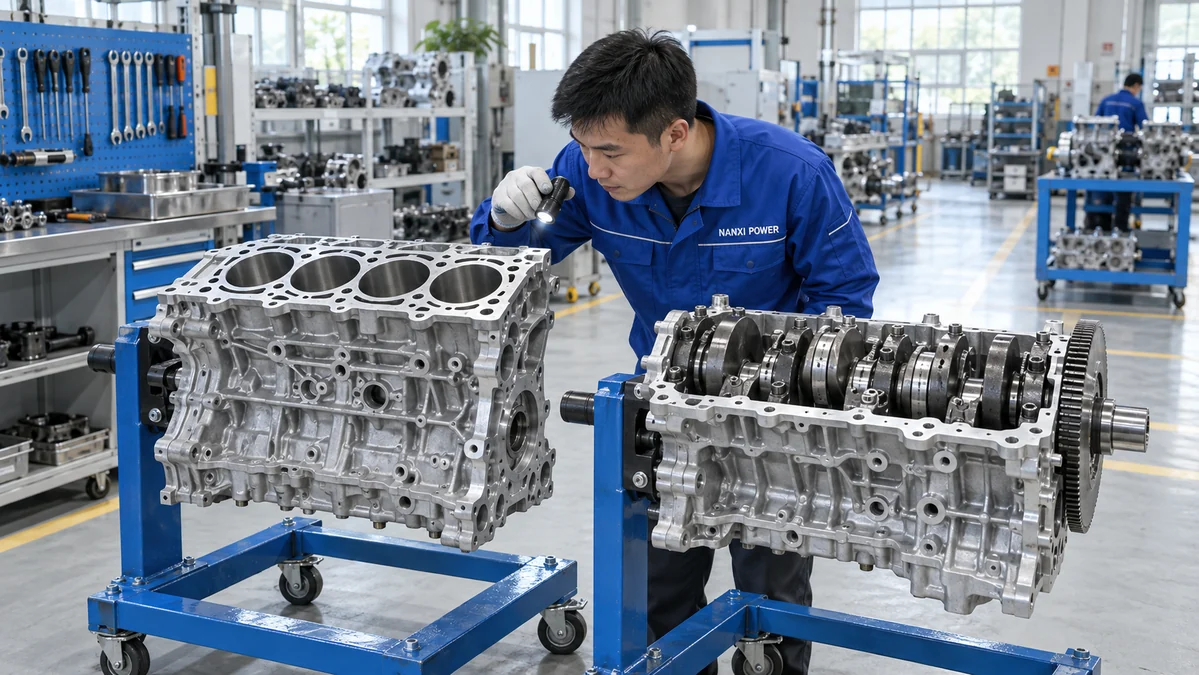
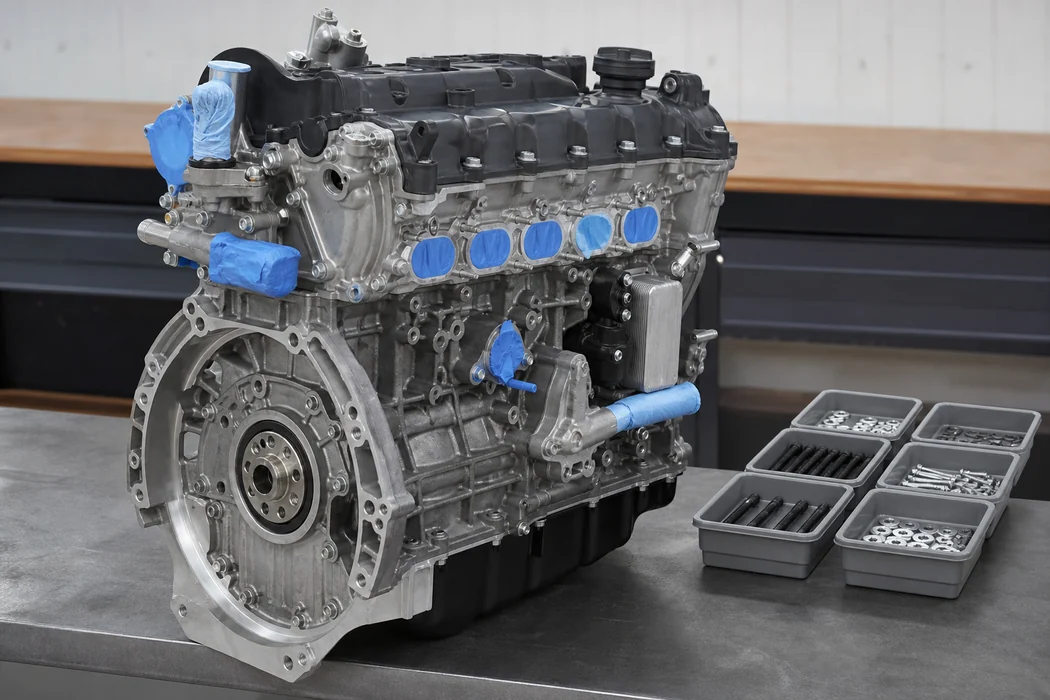
Take wide views first, then close views of areas that may matter to the installation discussion. Useful references can include the oil pan shape, valve cover, mounting areas, transmission-side interface and visible connector locations. A single visual feature can support a question, but it does not prove final compatibility.
If a connector or harness branch needs review, use the engine wiring connector photo guide to capture its face, wire direction and surrounding structure. Keep original-engine and delivered-engine images in separate sequences, and do not force a connection simply to make a comparison photograph.
A Buyer Workflow for the Installation Handover
- Assign a record owner: one person keeps photos, documents and questions together.
- Record arrival condition: capture packing, overall engine views and visible configuration clues.
- Review written scope: compare the quotation and agreed configuration before transferring external items.
- Preserve context: store removed parts by engine and retain useful photo references.
- Ask with evidence: attach the engine code, available VIN, photos and quotation reference to each question.
For a focused arrival sequence, use the engine receiving inspection checklist before installation work begins. This keeps delivery documentation and workshop preparation connected without treating either as proof of fitment.
Frequently Asked Questions
Does preparation guarantee that a replacement engine will fit?
No. Preparation preserves information for review. Final compatibility should be confirmed from the complete vehicle and engine information, agreed configuration and applicable workshop checks.
Should accessories be transferred before checking the quotation?
Compare written scope first. External accessories can vary by product form and specific agreement, so the quotation and agreed photos should guide the discussion.
Is the VIN enough for engine identification?
No. A VIN can support preliminary identification, but the original engine code, transmission, drivetrain and original-engine photos remain important.
Which photos are most useful before installation?
Take overall views, interface views, visible configuration details and any area connected to a specific question. Keep each file tied to one engine.
Can distributors use the same checklist for multiple engines?
Yes. Use the same sequence, but create a separate document and photo folder for every engine so records do not become mixed.
Need a Clear Pre-Installation Review?
Send the engine code, available VIN, original-engine photos, delivered-engine photos and quotation reference. NANXI POWER can review the available information for a preliminary B2B inquiry discussion.
Email the Installation Record•NANXI POWER on Made-in-China.com
For distributor and company updates, follow NANXI POWER on LinkedIn.