Quick Answer
Flywheel or flexplate confirmation should happen before a replacement engine is quoted or shipped. The buyer should identify the transmission type, show the original engine’s transmission-side arrangement, and confirm whether the component is supplied or transferred. An engine code and VIN can support identification, but they do not replace a photo-based configuration check.
What Should Buyers Confirm First?
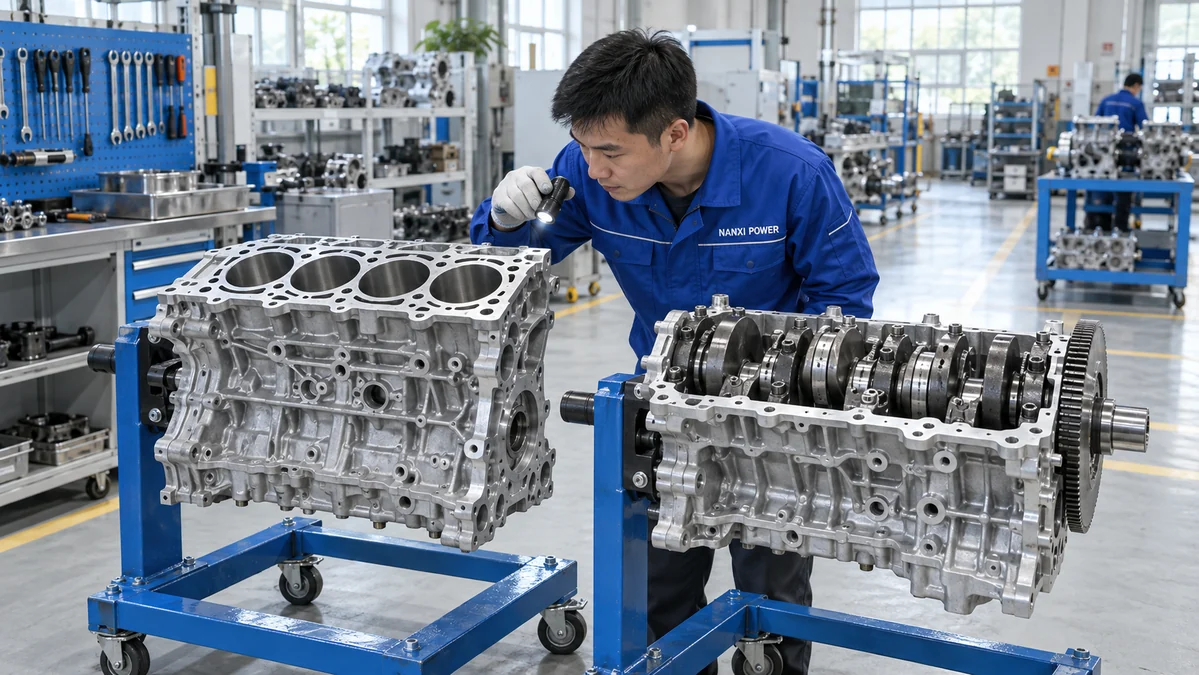
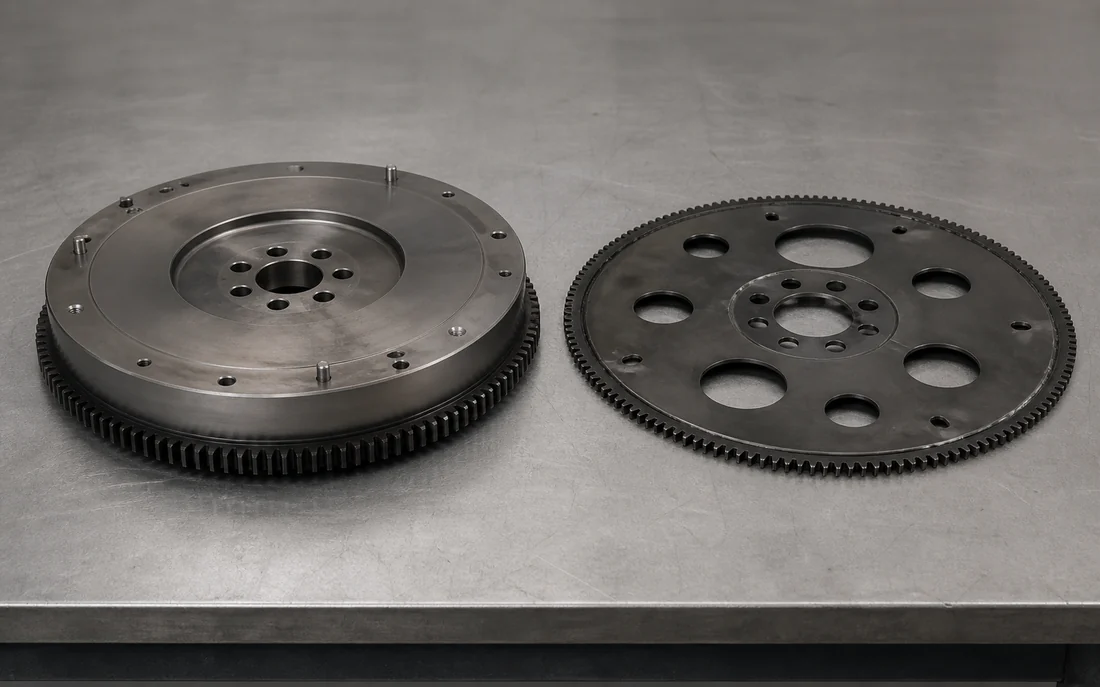
A flywheel and a flexplate are both transmission-side components, but they are not interchangeable ordering labels. In common vehicle arrangements, a flywheel is associated with a manual-transmission clutch setup, while a flexplate is associated with an automatic-transmission torque-converter setup. The exact arrangement still depends on the original vehicle and engine version, so buyers should identify the actual vehicle transmission instead of relying on a catalogue image.
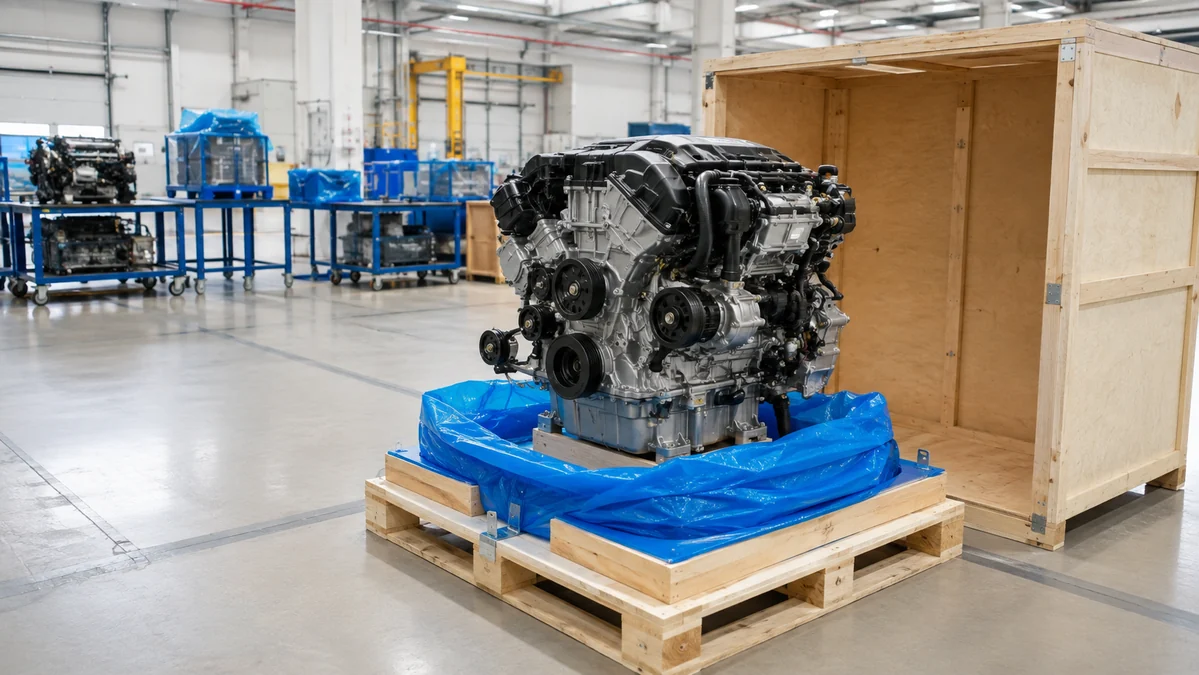
This is also a scope question. Neither a complete engine nor a long block should be assumed to include every external transmission-side component. The quotation, current product photos and commercial agreement should state what is supplied, what is removed and what the buyer plans to transfer from the original unit. See the related complete engine and long block guide for a broader explanation of configuration scope.
Which Details Make the Decision Clear?
Use the original engine, vehicle information and supplier response as one confirmation set. A single detail can be incomplete; the value comes from comparing the items together before commercial terms are finalized.
| Check | What to provide | Why it matters |
|---|---|---|
| Transmission type | Manual or automatic, stated from the original vehicle | It gives the supplier the starting context for the transmission-side arrangement. |
| Original-engine photos | Wide and close transmission-side views | They help compare visible interfaces and transferred-part plans. |
| Engine identification | Original engine code and VIN | They support preliminary identification alongside the photos. |
| Quoted scope | A written included-parts and transfer list | It prevents assumptions about components that may be separate from the offered engine. |
How Should You Photograph the Transmission Side?
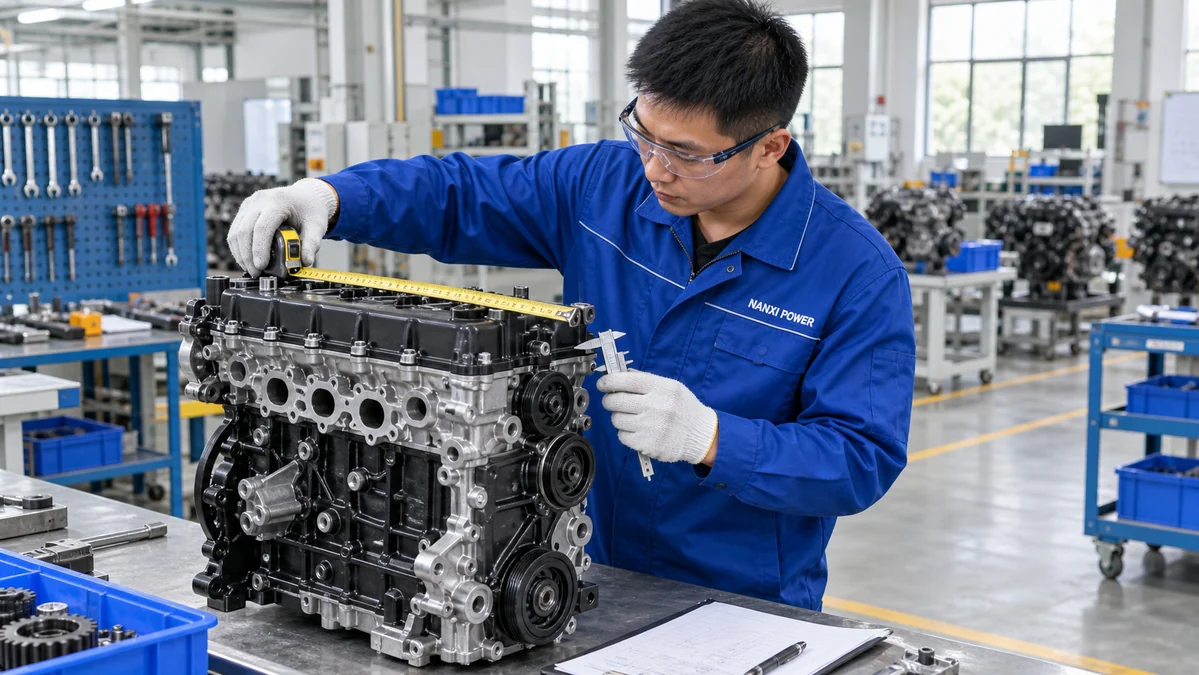
A useful photo set lets a supplier see the component in context. Take one straight-on wide photo of the engine’s transmission side, then close photos of the visible mating area and the component to be transferred or reviewed. Include the engine code marking when it can be photographed safely and clearly. Do not remove parts simply to produce a photo unless the workshop has approved that work.
- Keep the camera square to the mating side for one full-view reference.
- Add close photos of visible fastener areas and surrounding interfaces without estimating dimensions.
- State the vehicle transmission type, engine code and VIN in the inquiry.
- Ask for current photos of the offered engine before shipment.
A Practical B2B Buyer Workflow
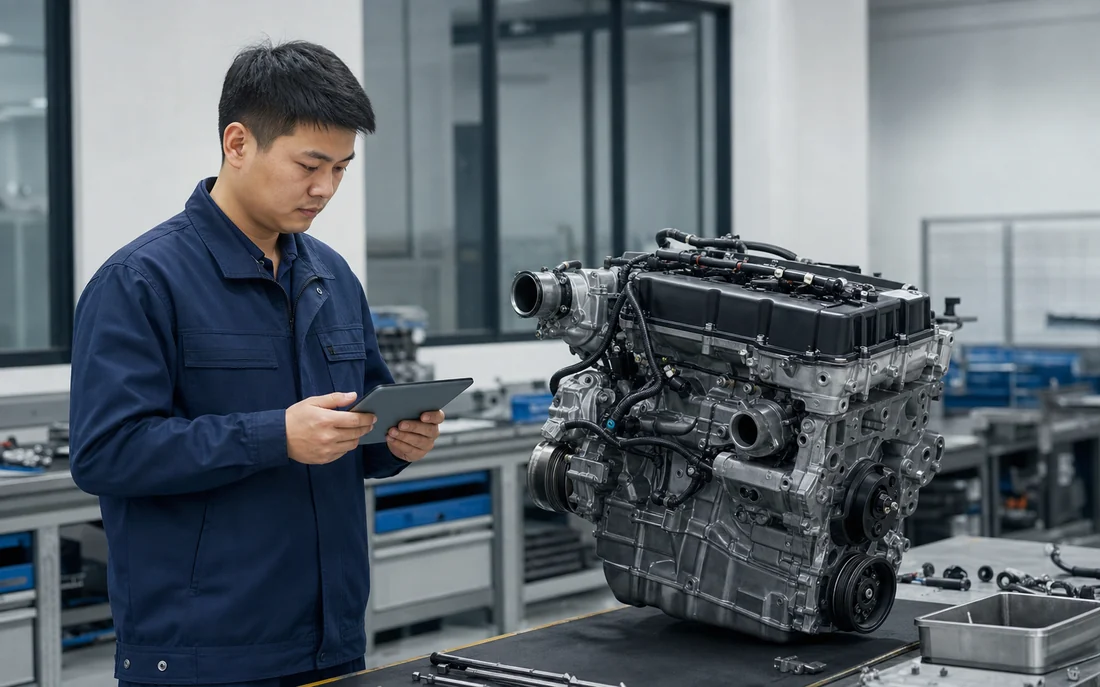
- Collect original details. Prepare the engine code, VIN, vehicle model, transmission type and clear photos.
- Name the required product form. State whether you are requesting a complete engine, long block, base engine or another defined configuration.
- Describe the transfer plan. Identify which original external components the workshop expects to reuse, subject to confirmation.
- Review the quotation. Check that the written scope matches the supplied configuration and the photo discussion.
- Confirm before shipment. Compare current product photos with the agreed engine code and configuration.
This workflow complements the site’s automatic and manual transmission ordering checks. It also fits the wider engine supply process, where configuration is confirmed before quotation and shipment coordination.
What to request in writing
Ask the supplier to identify the offered engine code, product form, visible external scope and any component that is not included. If an original flywheel, flexplate or related part is expected to be transferred, ask whether the offered engine’s visible interface should be compared with the original-unit photos. This does not replace workshop judgment during installation.
Frequently Asked Questions
Can a VIN alone confirm the correct flywheel or flexplate?
A VIN can support preliminary identification, but it should be combined with the original engine code, transmission type and clear original-engine photos for a final configuration review.
Is a flywheel included with every replacement engine?
Do not assume so. Included accessories depend on the selected configuration and must be confirmed in the quotation, product photos and commercial agreement.
What should an automatic-transmission buyer provide?
Provide the original engine code, VIN, transmission type and clear transmission-side photos. State whether the original external components are planned for transfer, then ask the supplier to review the offered configuration.
Should a supplier quote a component from a generic catalogue image?
A catalogue image can illustrate a product family, but current photos and a written scope are more useful for an order-specific confirmation. Ask for the details that apply to the offered unit.
When should the buyer raise this check?
Raise it during the inquiry and quotation stage, before payment or shipment. Early clarification makes it easier to align the engine form and transfer plan with the original vehicle configuration.
Send the Transmission-Side Details Before Quotation
Send your engine code, VIN, vehicle model, transmission type, original engine photos, required quantity and delivery country. NANXI POWER can help review the visible configuration before quotation.
For B2B company updates, follow NANXI POWER on LinkedIn. You can also review available families in the NANXI POWER engine catalogue.