Quick Answer
Engine accessory configuration should be confirmed before a replacement engine is quoted or shipped. Provide the original engine code, VIN and clear photos, then ask the supplier to state the offered product form and each included or excluded external component in writing. A visible pulley, bracket or connector can help comparison, but it does not prove that a component is included.
What Is Engine Accessory Configuration?
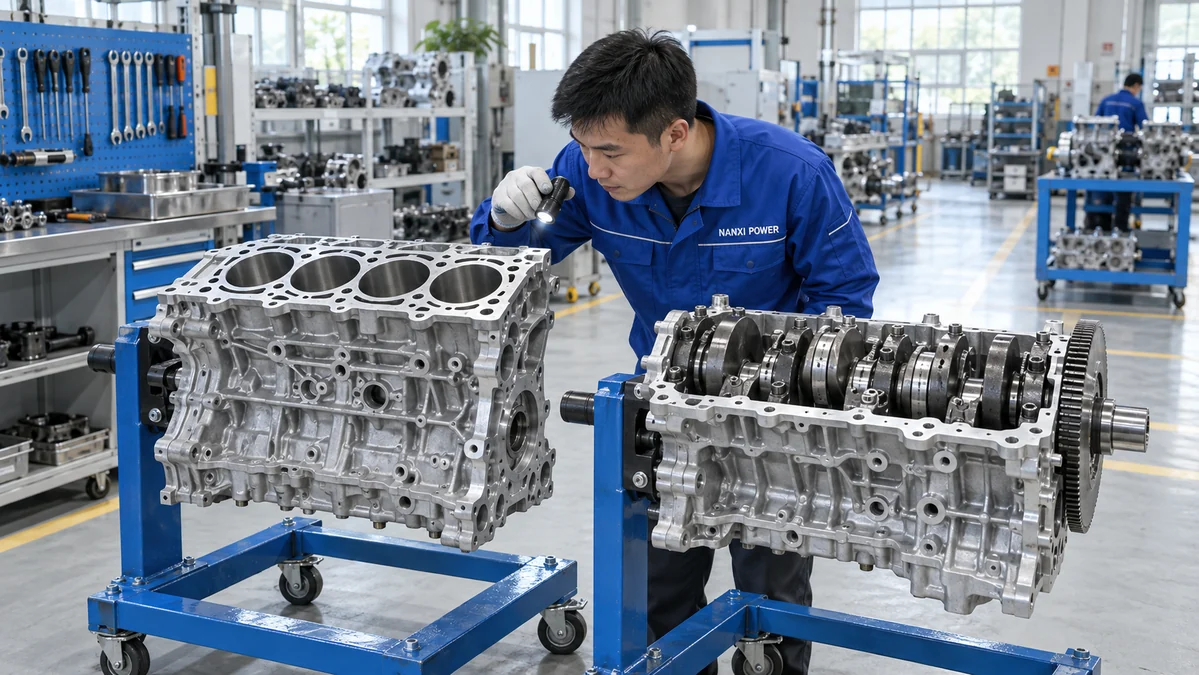
Engine accessory configuration is the visible and commercial scope around the engine core: the external parts, interfaces and mounting areas that are supplied, reused, transferred or left open for the buyer to arrange. It is not the same as the engine code, and it is not a promise that every component visible in a photo is part of the offer.
For example, a buyer may need to clarify the status of the alternator, starter, A/C compressor, turbocharger, intake manifold, exhaust manifold, fuel injectors, wiring harness, ECU, sensors, flywheel, clutch or power steering pump. The correct answer is order-specific: the selected product form, current product photos, quotation and commercial agreement should all describe the final scope. Start by distinguishing the product form in the complete engine and long block guide.
Which Photos and Details Make the Review Useful?
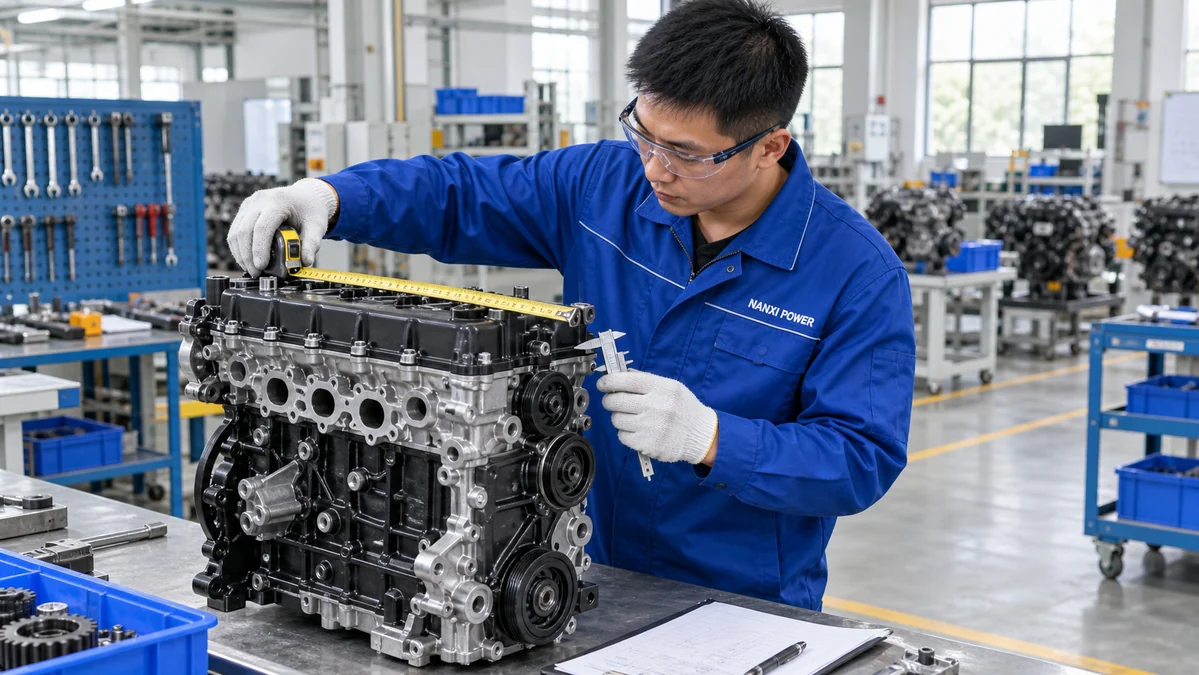
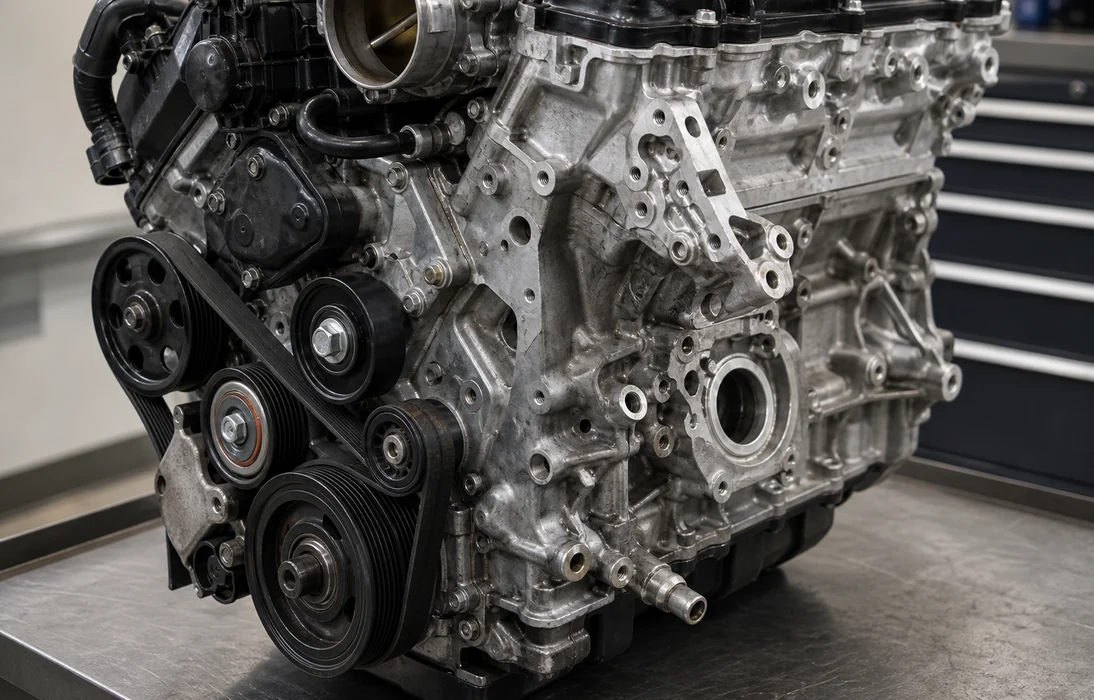
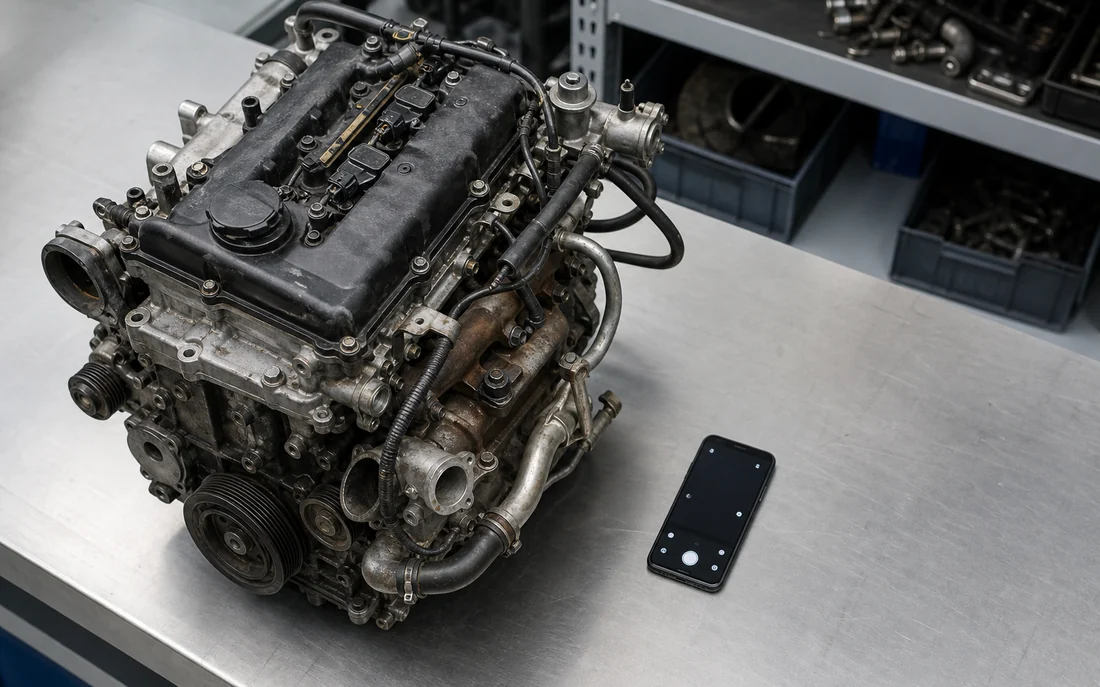
A useful review begins with evidence from the original engine rather than an assumption based on a catalog image. Send a clear engine code record where available, the VIN, vehicle details, transmission and drivetrain information. Add wide photos of the original unit plus close images of the belt side, intake side, exhaust side, wiring connectors, mounting areas and any external component the workshop expects to retain or replace.
- Show the whole original engine. A wide view places brackets, covers and interfaces in context.
- Photograph the accessory side. Capture pulleys, brackets and visible mounting areas without estimating dimensions from the image.
- List workshop plans. State which original external parts can be reused and which components are required with the offered unit.
- Request current offer photos. Compare them with the written scope before shipment arrangements are finalized.
What Should a Replacement-Engine Quotation Clarify?
The most useful quotation is specific enough for both sides to compare the same configuration. This table is a purchasing discussion tool; it does not replace a technical review for a particular engine or vehicle.
| Review point | Buyer should provide | Quotation should clarify |
|---|---|---|
| Engine identity | Original engine code, VIN and vehicle details | The offered engine reference and the confirmation basis |
| Product form | Required configuration and intended installation plan | Whether the offer is a complete engine, long block, base engine or another defined form |
| External scope | A list of required, reusable and unknown accessories | Each included and excluded external component that affects the order |
| Visual evidence | Clear original-engine photos from relevant sides | Current offered-engine photos and any visible differences discussed |
| Commercial record | Questions that need written confirmation | Scope reflected in the quotation and commercial agreement |
A Practical Buyer Workflow for External Components
- Collect original-engine evidence. Prepare the engine code, VIN, vehicle details and photo set before asking for a quotation. The engine code and engine number guide explains why both records can be useful.
- Choose the required product form. State the requested configuration clearly instead of using “complete” as a general description.
- Identify external decisions. Make a short list of parts that must be supplied, can be transferred, or need clarification.
- Compare visible details. Review current product photos alongside the original photo set. The timing-side confirmation guide is a related example of using a visible layout as supporting evidence.
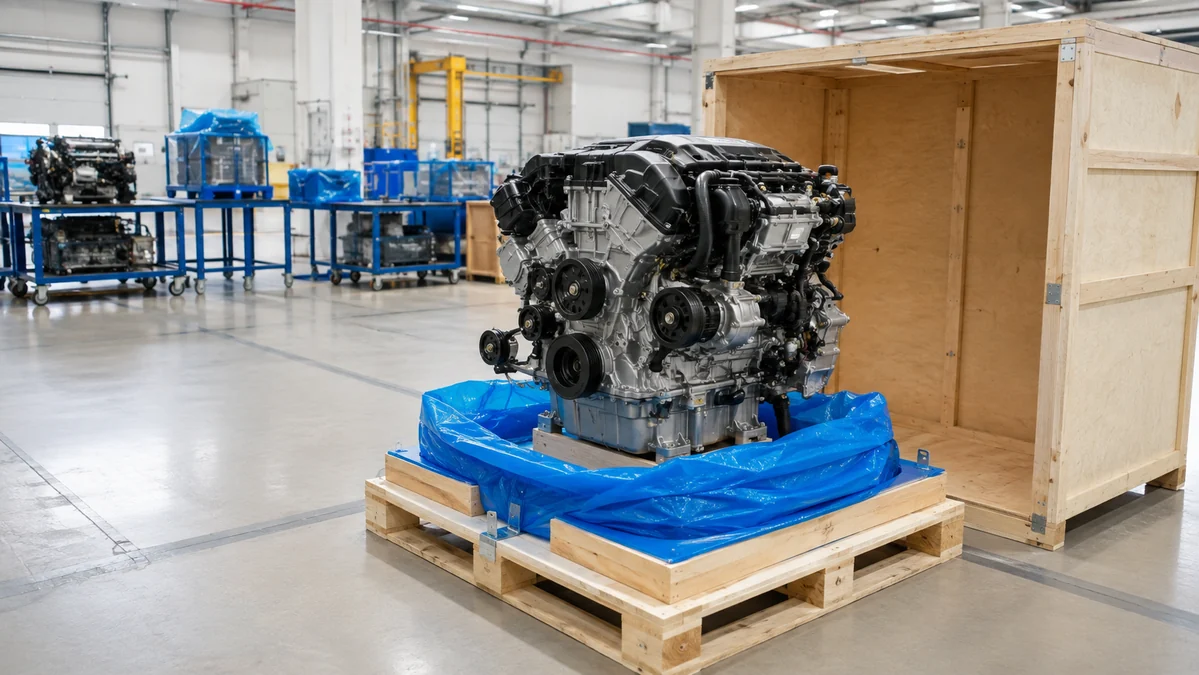
- Confirm the written scope. Resolve included and excluded items before shipment, packing and documentation are arranged.
Why does this matter for international B2B orders?
A clear external-scope record helps distributors, workshops and trading companies compare quotations on the same basis. It also gives the supplier a practical list for configuration confirmation. NANXI POWER, operated by Zhengzhou Nanxi Engine Co., Ltd., is an automotive aftermarket engine supplier based in Zhengzhou, China. Its engine supply process begins with the buyer’s engine information and required configuration; product availability and final scope are confirmed case by case.
Frequently Asked Questions
Does a complete engine include every external accessory?
No. “Complete engine” describes a more extensively assembled product form, but the exact included accessories depend on the selected configuration. Confirm the scope in the quotation, current photos and commercial agreement.
Can a photo prove that an accessory is included?
No. A photo can support a visual comparison, but it should be read with the written quotation and the agreed product form. Ask the supplier to identify any component that affects the order scope.
Should buyers reuse original accessories?
That decision depends on the original parts, the selected engine configuration and the installation plan. State the intended transfer list in the inquiry so it can be reviewed with the offered unit.
Does a VIN confirm the final accessory configuration?
No. A VIN can support preliminary identification. Final configuration confirmation normally also needs the original engine code, clear photos, vehicle details and a written description of the offered scope.
When should current product photos be requested?
Request them while the quotation scope is being confirmed and review them again before shipment arrangements are finalized. Current photos are most useful when compared with the agreed included and excluded items.
Confirm Your Required Engine Scope
Send the original engine code, VIN, clear photos and your external-component list to contact NANXI POWER. You can also use WhatsApp, email, or the official Made-in-China page. For distributor-oriented updates, follow NANXI POWER on LinkedIn.