Quick Answer
G4FD engine installation precautions should cover the parts transferred from the failed engine as well as the replacement assembly. Inspect the intake and exhaust systems, confirm the high-pressure pump drive components, follow the applicable fuel-pipe and seal requirements, and complete the vehicle-specific checks before first start. Use the exact vehicle’s current service information; an engine code alone does not establish every installation detail.
A replacement engine can inherit a problem from a reused component. Before connecting the old manifolds, fuel system or accessories, establish why the original engine failed and which parts are suitable for transfer. The six checks below help a professional workshop organize that work. They are not a substitute for the vehicle’s installation procedure.
1. Decide whether the intake manifold can be reused
Start with the original failure, not the manifold’s external appearance. Hyundai bulletin 22-EM-010H requires intake-manifold replacement after the severe internal damage it describes. For other conditions, its table distinguishes inspection and cleaning from replacement. A quick rinse is not a universal alternative to replacement.
Record the failure evidence and the decision before installation. Keep openings protected while work is paused, and inspect the relevant passages before closing the assembly. Where cleaning is permitted, follow the applicable method and leave no cleaning liquid behind. The same Hyundai bulletin says to replace a component if trapped debris cannot be removed fully.
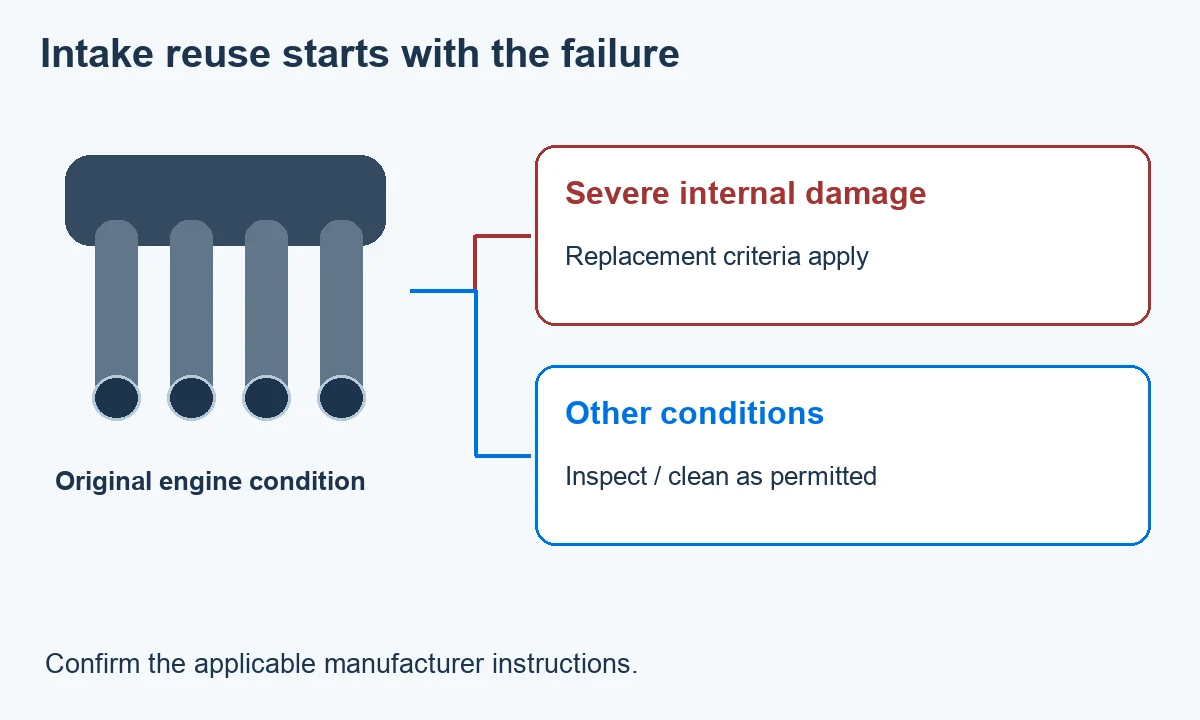
For a G4FD job, have the workshop confirm which current Hyundai or Kia instructions apply to the vehicle. The Hyundai bulletin supports the contamination principle and its stated replacement criteria; it does not make a Hyundai service action a Kia campaign requirement. Our installation preparation guide covers the wider workshop handover.
2. Inspect the exhaust manifold and catalyst before transfer
Include the exhaust side in the failure review. Hyundai’s bulletin calls for replacement of the exhaust-manifold/catalyst assembly when debris is found inside under its stated internal-damage conditions. Do not assume that replacing the engine also resolves the condition of the old exhaust assembly.
Photograph the accessible area and identify the assembly being inspected. If damage or an obstruction is suspected, resolve it through the applicable inspection procedure before transfer. An outside photograph alone cannot establish the internal condition. Record what was inspected, what was found and whether the part was retained or replaced.
3. Account for the high-pressure pump and roller tappet
The pump deserves a separate check when components move between engines. Kia’s PI2002Y/Z instructions for the listed Soul Gamma applications show both the high-pressure pump and roller tappet. They specify lubrication during installation and refer technicians to the applicable GDI handling information. The small drive component must not disappear from the transfer plan.
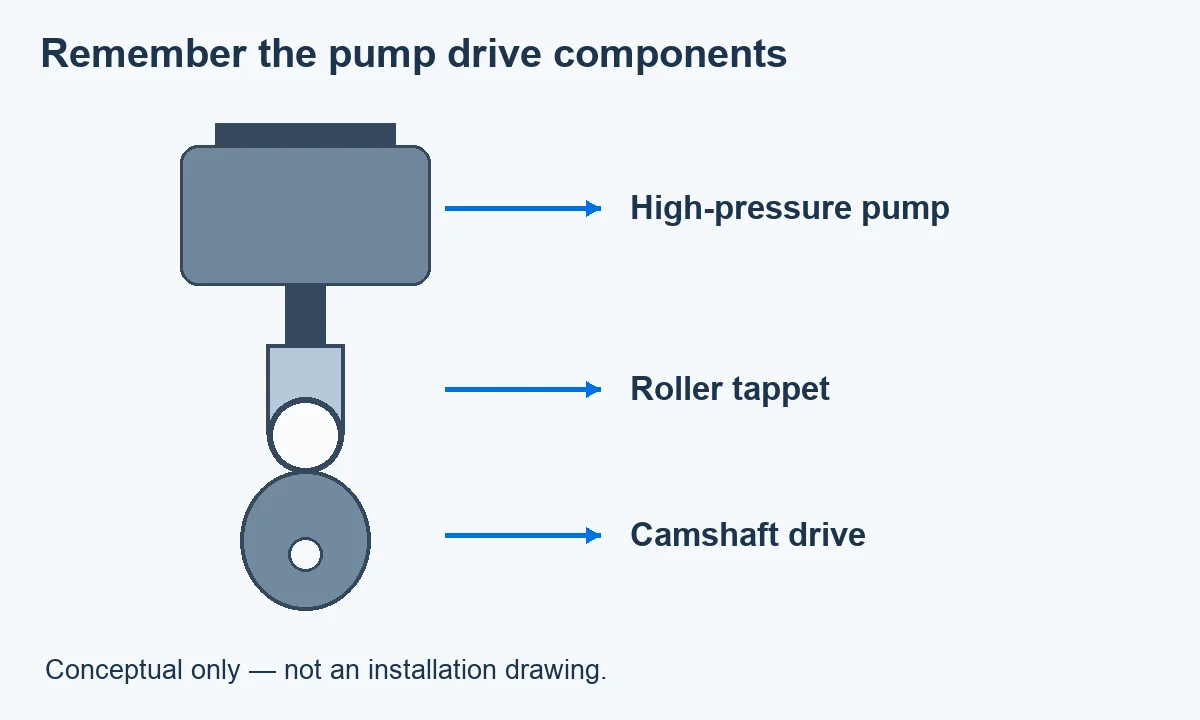
Ask the technician to confirm the correct parts, their condition and their installation from the exact vehicle procedure. Do not copy a tightening value or cam position from a different engine family. This guide does not provide a pump-fitting sequence, pressure-release method or universal reuse decision; high-pressure fuel work requires the appropriate procedure and equipment.
4. Check fuel pipes, brackets and seals as a complete job
Fuel-system preparation includes more than reconnecting the visible pipe. In the same listed Soul repair, Kia specifies a new high-pressure pipe and identifies the retaining bracket, injector seals and related installation requirements. These are application-specific instructions, not a parts list for every G4FD installation.
Before assembly, identify the required replacement items in the vehicle’s service information and check that they are available. Keep each item associated with the correct connection. Stop if a bracket, seal or fitting cannot be identified confidently; improvising with a similar-looking item leaves an unresolved installation question.
Confirm the inspection and leak-check requirements before the fuel system is commissioned. For communication between the buyer and workshop, photographs of the quoted assembly help establish what is supplied and what remains on the original vehicle. See our accessory configuration guide for that distinction.
5. Review the parts that look easy to carry over
Set aside a clear transfer list for pulleys, brackets, sensors, wiring and valve-control components. Check the actual part references, mounting arrangement, connectors and installation requirements. Do not assume a part is ready for reuse simply because it came from the same engine code.
For a crank pulley, verify the specified orientation, locating features and fastening procedure. For an oil-pressure switch or sensor, use the specified sealing method rather than adding arbitrary thread sealant. These are checks against the relevant part instructions, not a claim that every G4FD uses one pulley orientation or one sealant rule.
If a variable-valve-timing fault was present before replacement, keep the diagnostic record with the job and investigate it using the applicable diagnostic information. A fault code is a starting point, not proof that one solenoid caused the problem. Avoid replacing or transferring a valve-control component solely on that assumption.
6. Complete the first-start checks before releasing the vehicle
Finish the installation using the vehicle-specific requirements for lubrication, cooling, fuel-system commissioning and electrical connections. Kia’s listed Soul procedure also calls for fluid-level and leak checks, with diagnosis of any remaining active faults. Its fluid choices, adaptations and campaign software steps must not be copied automatically to another vehicle.
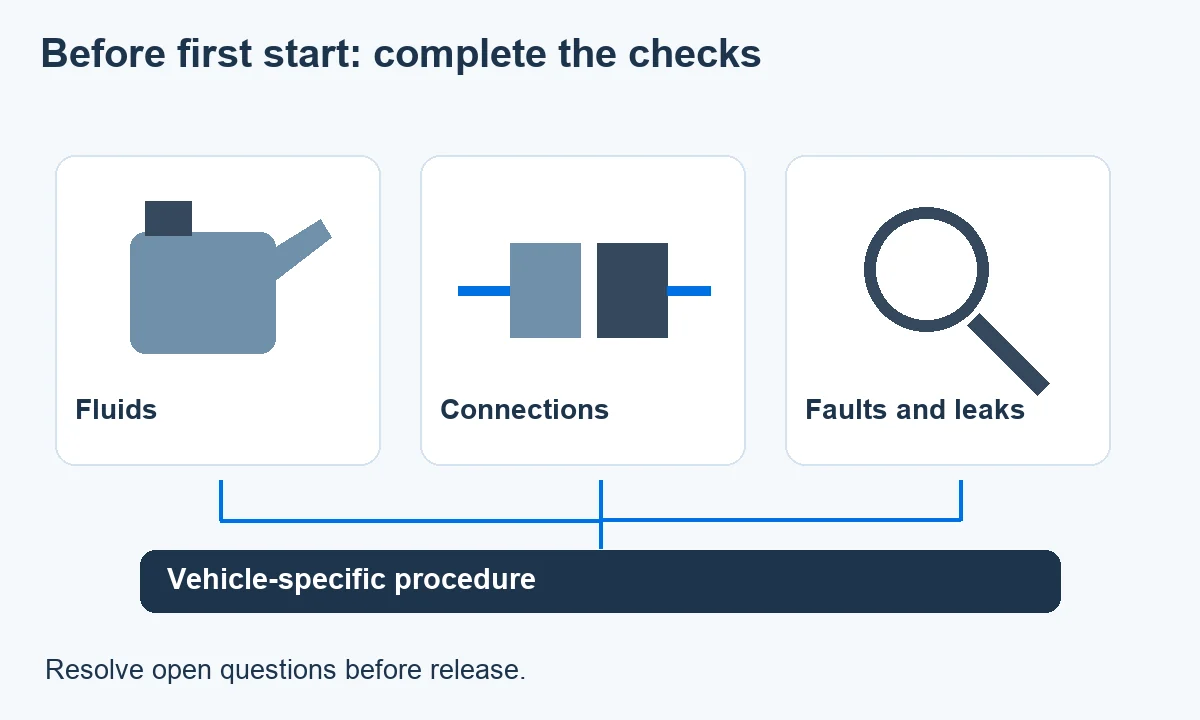
Agree in advance who authorizes first start and who records the outcome. Keep the engine identity, transferred-part decisions and any unresolved item together. If the engine fails to start or develops an abnormal symptom, preserve the observations and diagnostic data before further work. Repeated starting attempts are not a replacement for identifying the cause.
After the prescribed checks, record the actual outcome rather than writing a generic “tested” note. For a workshop receiving a shipped assembly, the receiving inspection guide helps keep delivery condition separate from installation results.
Clarify the replacement assembly with NANXI POWER
NANXI POWER can help review the engine code, VIN and original engine photos, then clarify the requested configuration and included accessories. Pre-shipment photos or videos can support that comparison. Send the workshop’s transfer list with the inquiry so the quotation can distinguish the supplied assembly from parts retained on the vehicle. This supports a clearer installation plan without promising that every accessory is included or replacing the workshop’s technical approval.
Questions workshops ask
Can the old intake manifold always be cleaned and reused?
No. The decision depends on the failure condition and applicable instructions. The cited Hyundai guidance requires replacement under its stated severe internal-damage conditions.
Does the G4FD code make every installation detail identical?
No. Confirm the vehicle, configuration, supplied assembly and current service information before choosing parts or procedures.
Does a new engine include the fuel pump and other accessories?
Not automatically. Confirm the actual included scope in the quotation and photographs, and identify every part the workshop will transfer.
Technical references and illustration notes
Sources: Hyundai 22-EM-010H: intake and exhaust inspection during engine replacement; Kia PI2002Y/Z: listed Soul engine-replacement instructions, pages 14–19. These archived manufacturer publications explain the cited checks; use current service information for the actual vehicle. Campaign eligibility, warranty coverage and universal G4FD specifications are not established here.
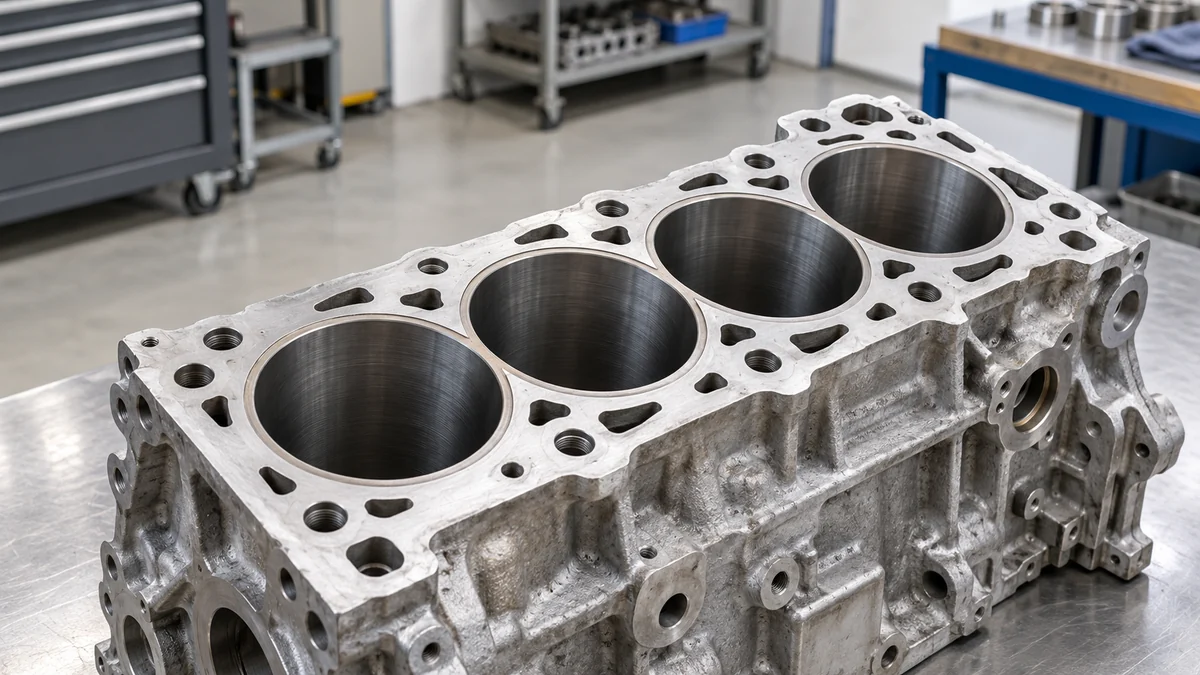
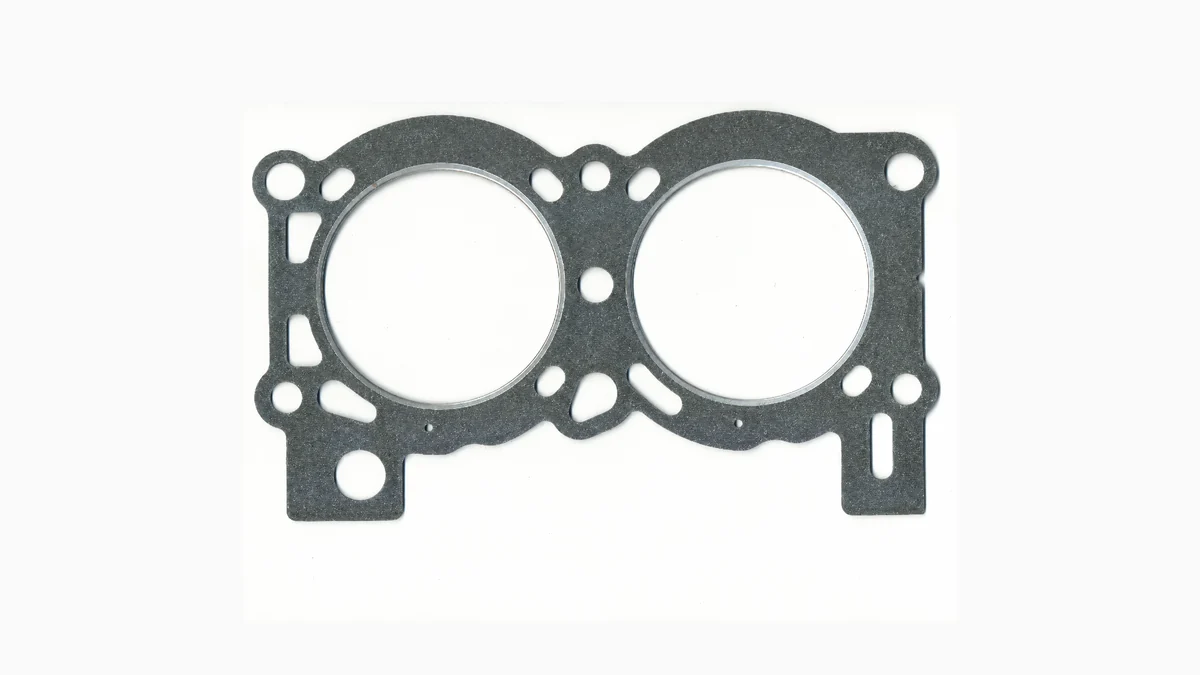
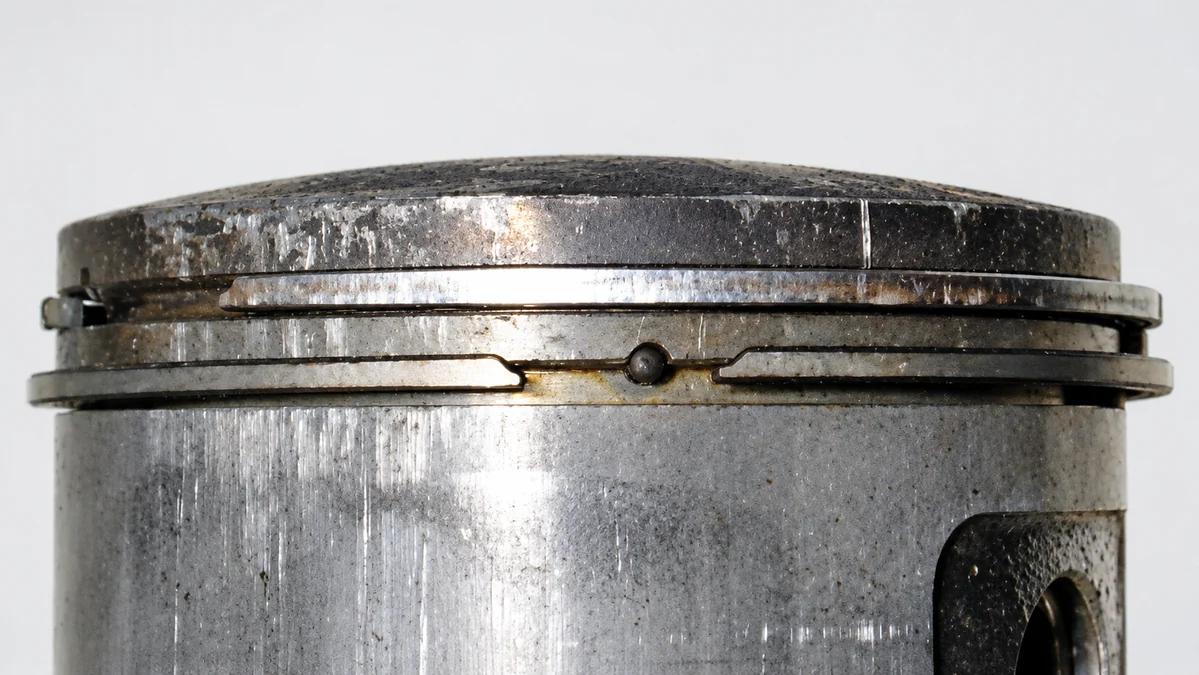
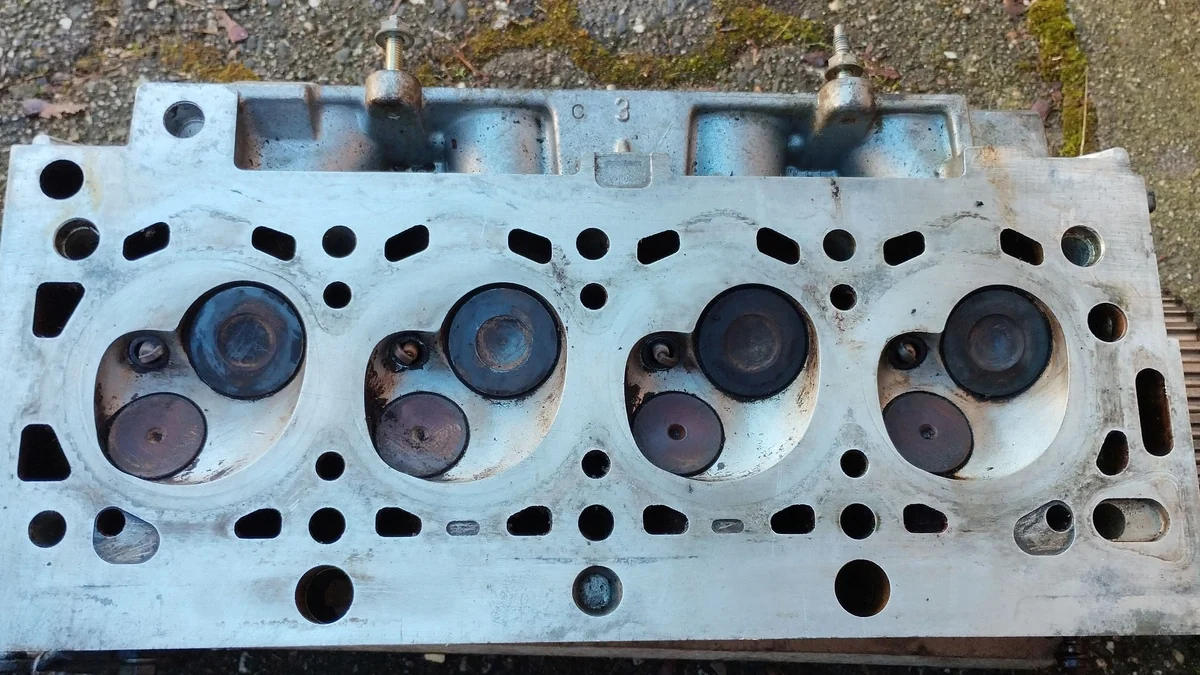
Illustrations explain the inspection topics and are not photographs of a specific G4FD assembly, an actual NANXI workshop operation or a completed repair. Schematics show no installation dimensions, tightening values or acceptance limits.
Send the engine details and transfer list
Include the engine code, VIN, original photos, required assembly, accessory list, quantity and delivery country.