Quick Answer
A cylinder bore honing photo can show the visible surface pattern and help identify the cylinder being discussed. It cannot establish bore size, roundness or measured surface texture. Before approving a machined block, request the applicable acceptance criteria and a report tied to the actual block and cylinders. The required measurements and finish depend on the engine, bore material and piston-ring combination.
A fresh crosshatch pattern is useful visual information. For an importer or workshop buyer, the next question is what supports it. “Honed” describes work on the bore; it is not a complete specification for the delivered component. Separate the picture, the machining scope and the evidence used for acceptance.
Bore geometry and surface texture answer different questions
Sunnen describes honing as a finishing operation used to obtain precise bore geometry and surface finish. These are related outcomes, but they need different evidence. Geometry concerns the bore’s size and shape. Surface texture concerns the small-scale condition of its running surface. A photograph does not supply a measured result for either.
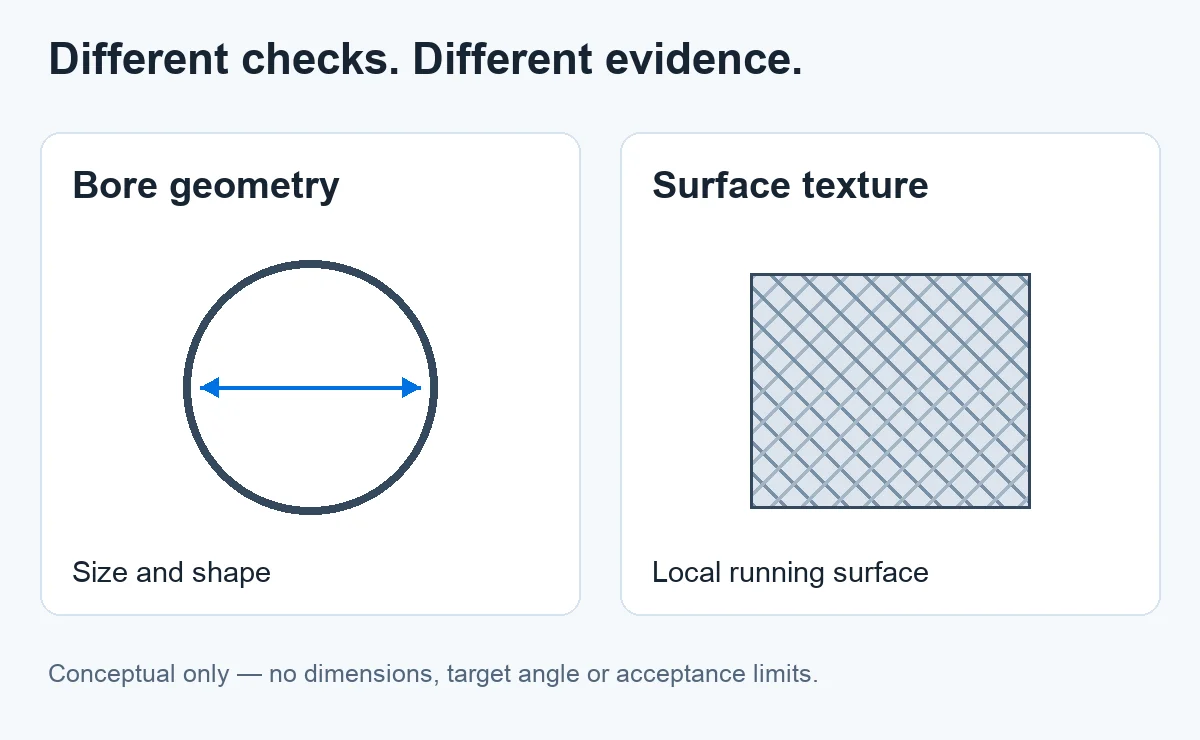
Ask the responsible workshop which dimensional and surface checks apply to the actual component. Keep the report’s measurement locations, directions, units and acceptance references visible. Do not request a single diameter without the context needed to interpret it, or treat a familiar-looking pattern as a substitute for the required report.
This distinction matters when comparing offers. One supplier may be quoting an unmachined block, another a block requiring final work, and another a component with an agreed machining scope. The word “finished” needs a written explanation. Our cylinder-block buying checklist covers the wider product-scope discussion.
Why does a better-looking surface not always mean a repaired bore?
Motorservice explains that spring-loaded honing stones or brushes follow existing irregularities and cannot improve cylinder geometry. Its warning concerns those tools when reworking used bores; it is not a claim that controlled machine honing cannot improve geometry. Ask what operation was performed rather than accepting every use of “honing” as the same service.
If the reply only says “deglazed” or “lightly honed,” ask the workshop to define the work and its intended purpose. A photograph may document appearance after that operation. It does not resolve whether wear, distortion or another condition meets the applicable reuse criteria. Those decisions belong to the responsible engine specialist using the correct information.
Request photos that can be matched to the actual block
Begin with an overall view and a consistent cylinder-identification scheme. Then request bore close-ups from useful angles, with enough light to see the running surface without glare hiding it. Include any area under discussion in both a wider view and a close-up. Keep the original files instead of relying only on compressed messaging previews.
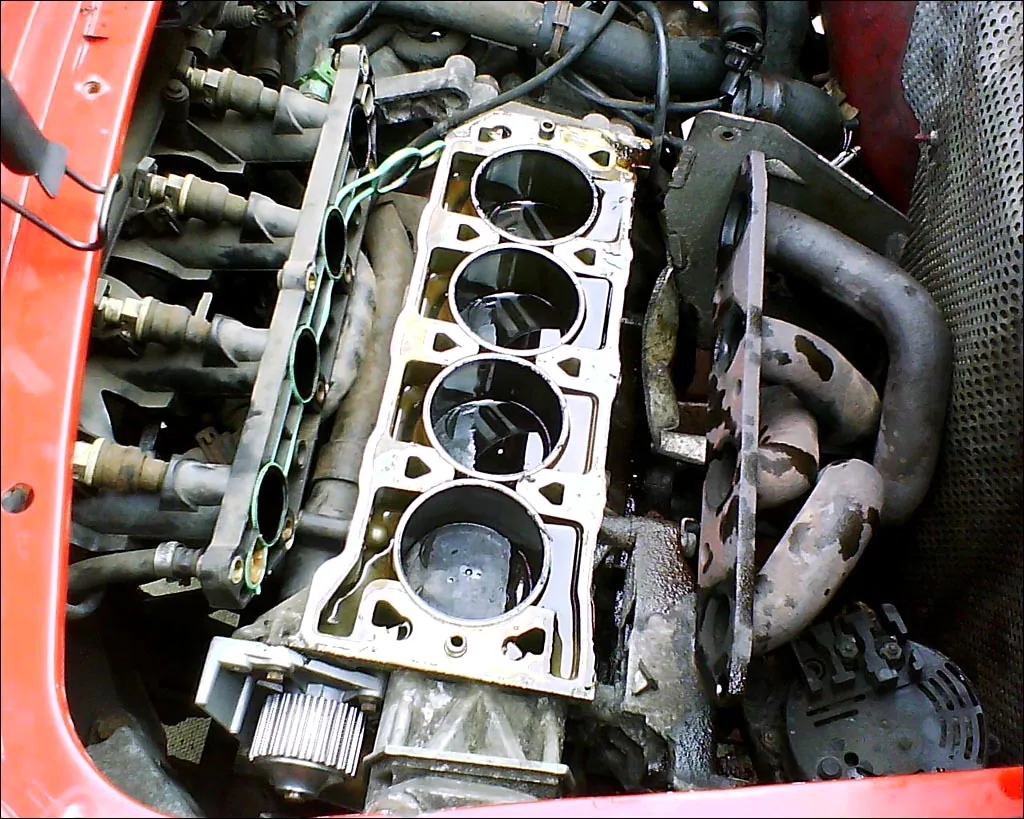
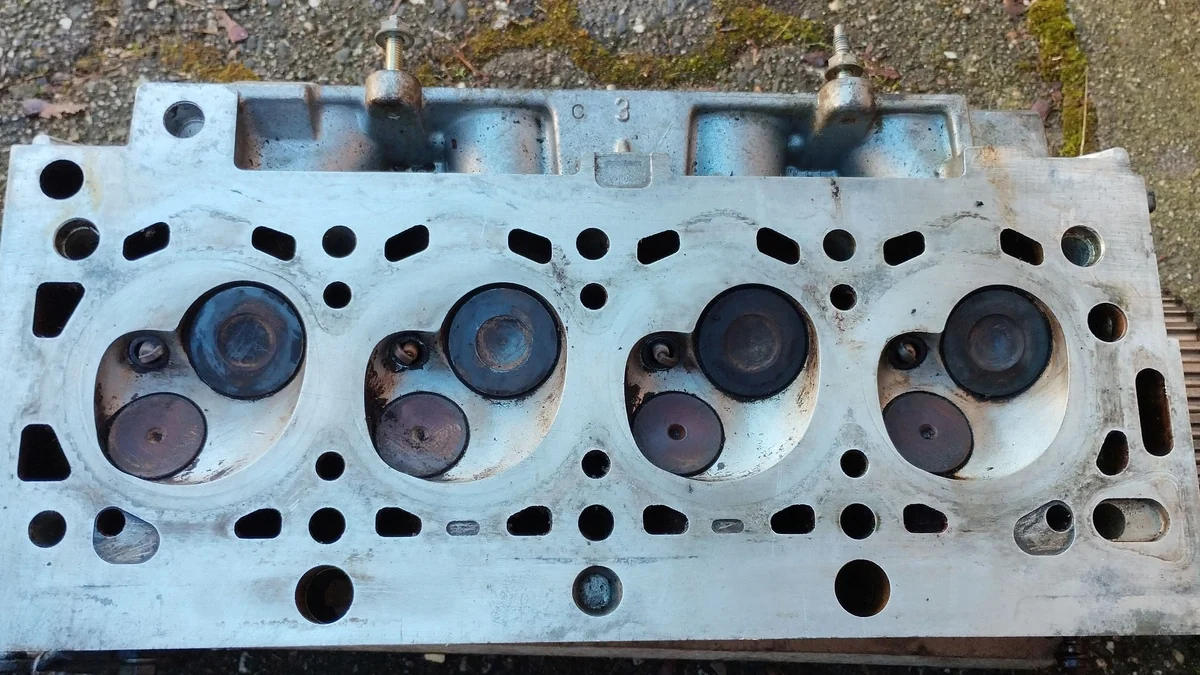
The image above is a structural reference, not an acceptance photograph for an order. In an actual inquiry, label each requested image with the agreed block or order reference and cylinder identity. Keep any genuine markings intact. If a photograph is edited for presentation, retain its original alongside it; an attractive edit should not become technical evidence of a repaired surface.
Ask for another angle when lighting prevents you from seeing the area in question. Avoid diagnosing a scratch, coating condition or finish from one image alone. A missing view is a request for more information, not proof of a defect. The broader pre-shipment photo checklist helps organize the rest of an engine shipment’s visual record.
What should accompany the photographs?
Use one record that connects the component to the inspection. The buyer does not need to invent a machining procedure; the buyer needs to know what was checked, against which requirement, and by whom.
- Component identity: engine code, block reference and the agreed cylinder-identification scheme.
- Work completed: the actual operation, its scope and whether further machining remains.
- Applicable requirement: the engine or component information used, including relevant piston and ring details.
- Results: the required dimensional and surface records, with units, measurement context and acceptance limits.
- Traceability: report reference, inspection date, responsible party and matching original photographs.
- Open questions: anything awaiting clarification before the buyer releases the order.
MAHLE’s cylinder guide describes different machining and finishing considerations for aluminum blocks and cylinder liners. Do not transfer a cast-iron finish recipe to another bore material, or assume one abrasive, angle or roughness target suits every engine. This article deliberately gives no universal honing parameters or wear limits.
Put the agreed condition into the order
State whether the purchase is a bare block, another engine assembly, or a separate machining service. List what must be completed before shipment and who approves the results. If the buyer will arrange final work locally, identify that boundary so the receiving workshop does not mistake a preparation stage for an installation-ready component.
Link the agreed report and photo references to the purchase order. At receiving, match the delivered component and records before assembly begins. Preserve packaging and identity information if something differs. A dispute is easier to investigate when the original order describes the required condition rather than only saying “good honing.”
How NANXI POWER can support the block inquiry
NANXI POWER can help review the engine code, VIN and original engine photos, then clarify the requested product form, configuration and included accessories. Photos or videos can be provided before shipment to support the agreed visual record. If bore condition affects your decision, include the workshop’s requirements in the inquiry and ask which records are available for the quoted item. These capabilities support identification and order clarity; they do not imply an in-house honing service or a particular dimensional inspection for every product.
Frequently asked questions
Does visible crosshatch prove that the bore is within specification?
No. It shows a visible surface pattern, while acceptance needs the dimensional and finish evidence required for the actual component.
Can one roughness number replace the rest of the report?
No. Request the surface parameters and dimensional checks specified for the engine and components, with enough context to interpret each result.
Does “honed block” mean it includes pistons and rings?
No. Machining condition and included parts are separate questions. Confirm both in the quotation and order.
Manufacturer references and image information
Technical background: Sunnen: Educational Information; Motorservice: Reworking used cylinder bores; MAHLE: All about the cylinder. These publications support the distinctions discussed here, not an acceptance specification for a particular engine.
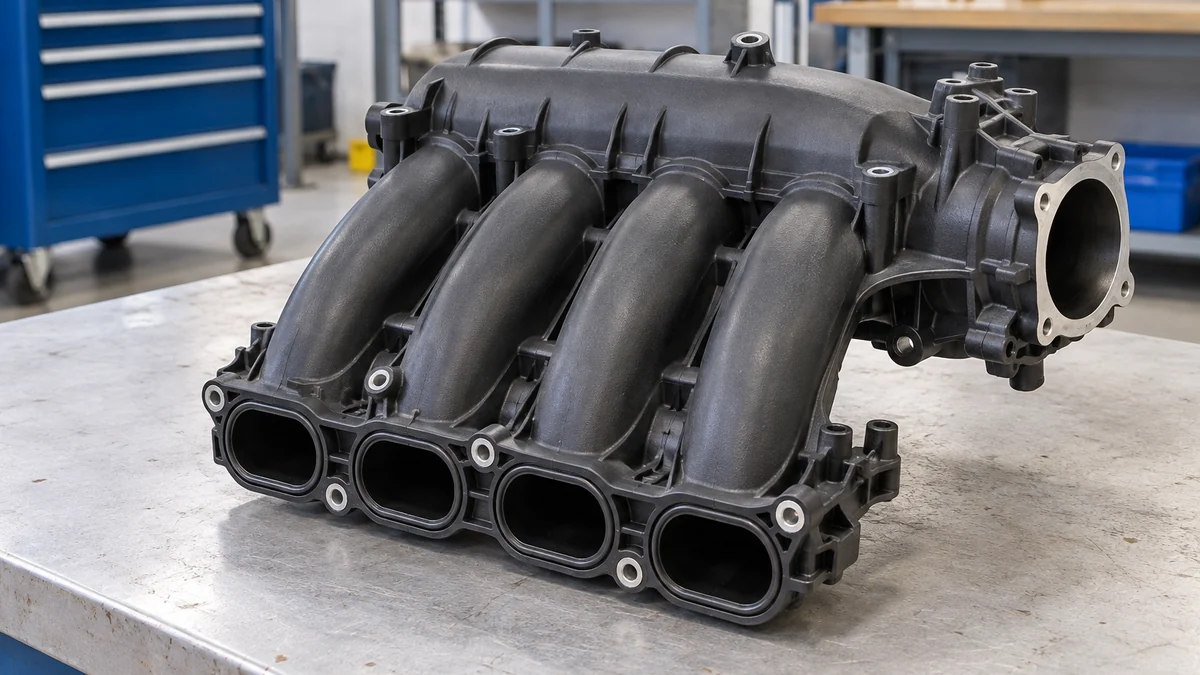
The real structural reference is Nibi’s public-domain Rover K18 photograph, resized with a mild exposure adjustment. The cover is a generated educational illustration. Neither image is an actual NANXI product photograph or an inspection record. The geometry-and-texture drawing is an original explanatory schematic.
Send the component details with your inquiry
Send the engine code, original photos, required product form, quantity and delivery country. Add the workshop’s bore requirements if machining condition affects the purchase.