Quick Answer
A replacement engine batch traceability checklist is a buyer-controlled way to connect one batch reference with the agreed product scope, identification evidence, visual records, packing reference and shipping documents. It does not prove compatibility, condition, included accessories or shipment timing. Its value is practical: when a question appears, the buyer and supplier can return to the same organized reference set instead of relying on memory or a generic engine name.
What Does Batch Traceability Mean for a Replacement Engine Order?
For a B2B buyer, batch traceability is an organized reference trail. It lets the buyer link the requested engine form, quantity and quotation discussion to the photos, packing references and documents used for the same transaction. It is not an assurance that every component has an individual manufacturing history, and it should never be used to turn an engine code or VIN into a fitment guarantee.
The simplest approach is to create one buyer-side batch reference before the order moves forward. Keep it alongside the quotation and update it only when a change is confirmed in writing. Start with the original engine evidence described in the engine parts inquiry checklist, then use the same reference when reviewing product photos, packing and documents.
What Should One Batch Reference Connect?
Freeze a Reference Set Before Comparing the Product
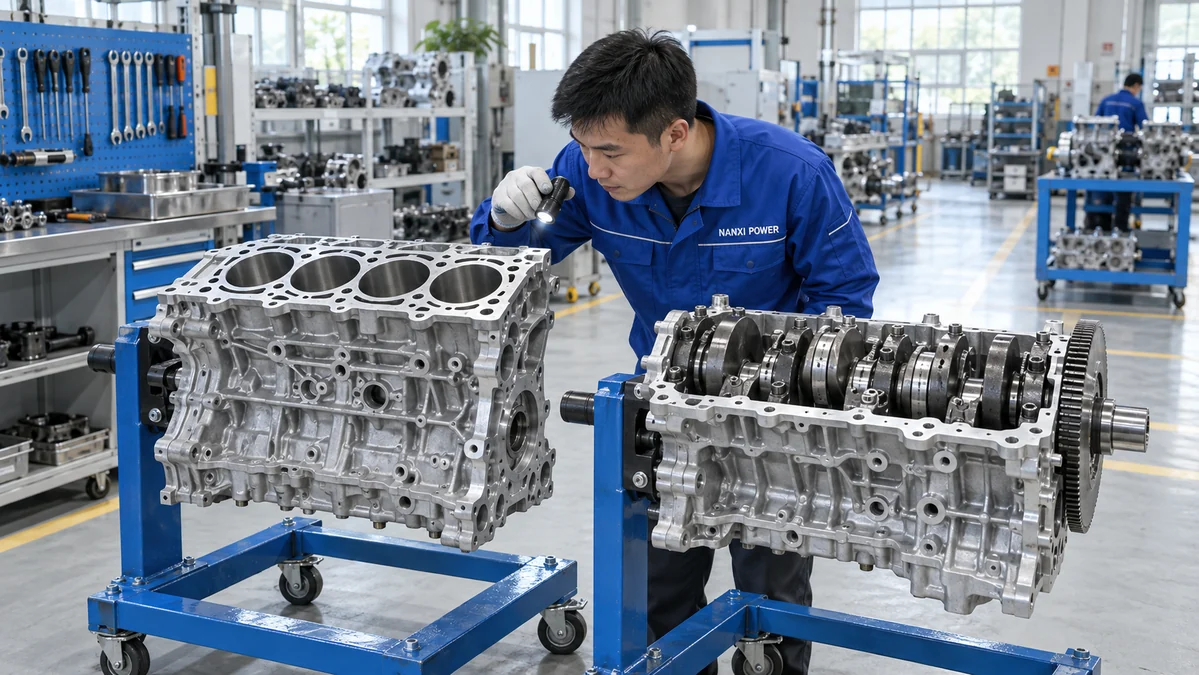
Keep only the current evidence in the working set. A buyer can note which photos were used, which quotation revision is current and which configuration points are still awaiting clarification. This is especially useful when several similar requests are moving at once. The engine code and engine number guide can help keep identifiers distinct, but neither identifier should be treated as a complete description of every version difference.
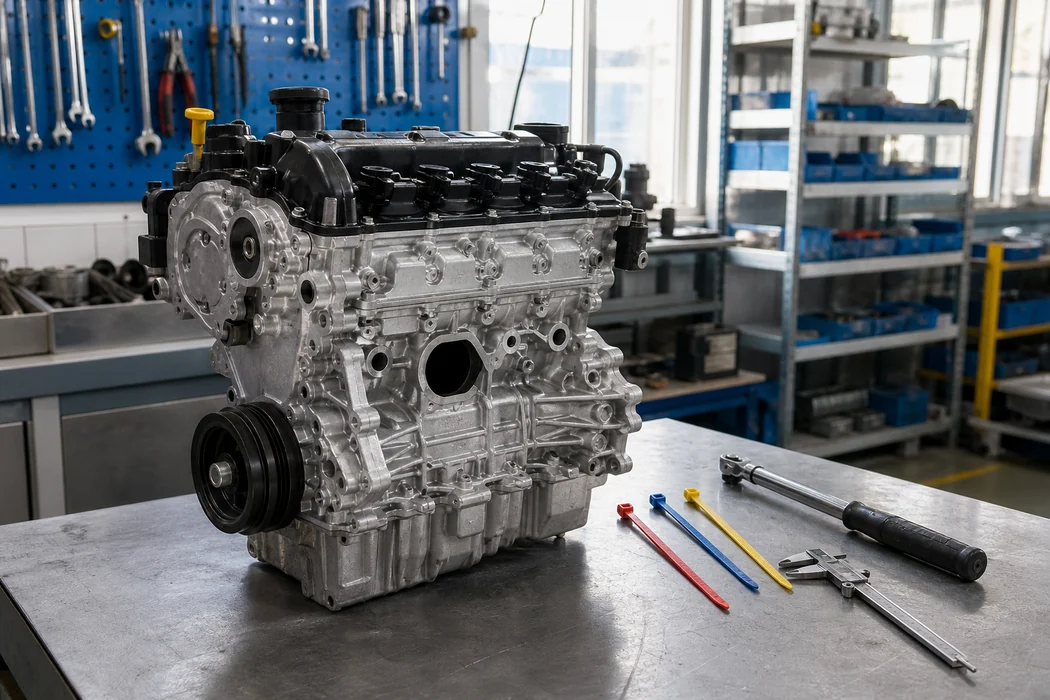
A Five-Step Buyer Workflow for Batch Records
- Create one reference. Use a neutral buyer reference for the inquiry or confirmed transaction; avoid relying on a model name alone.
- Attach the source evidence. Keep the original engine code, VIN where available, transmission and drivetrain details, original-engine photos and the current quotation together.
- Record the agreed scope. State the product form and any confirmed visible configuration details. If an accessory or version point is open, ask for clarification instead of filling the gap.
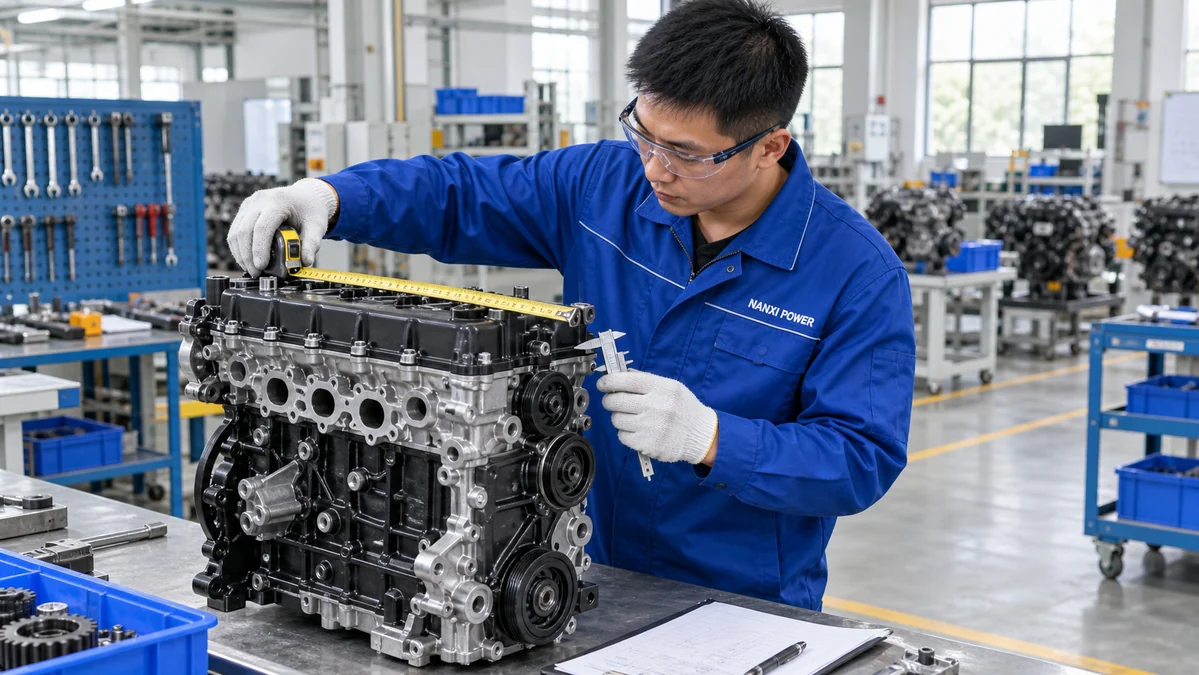
- Link visual records before handover. Save the relevant product photos or videos against the same reference. The pre-shipment engine photo checklist explains useful views to request.
- Match the final document references. When documents are agreed, compare their references with the same record and retain any changes in writing.
This workflow makes later questions easier to resolve, but it does not replace a quotation, commercial agreement, inspection process or import requirement. Shipping routes, packing methods and document requirements depend on the product, destination and agreement.
Keep Packing and Documents Connected to the Same Record
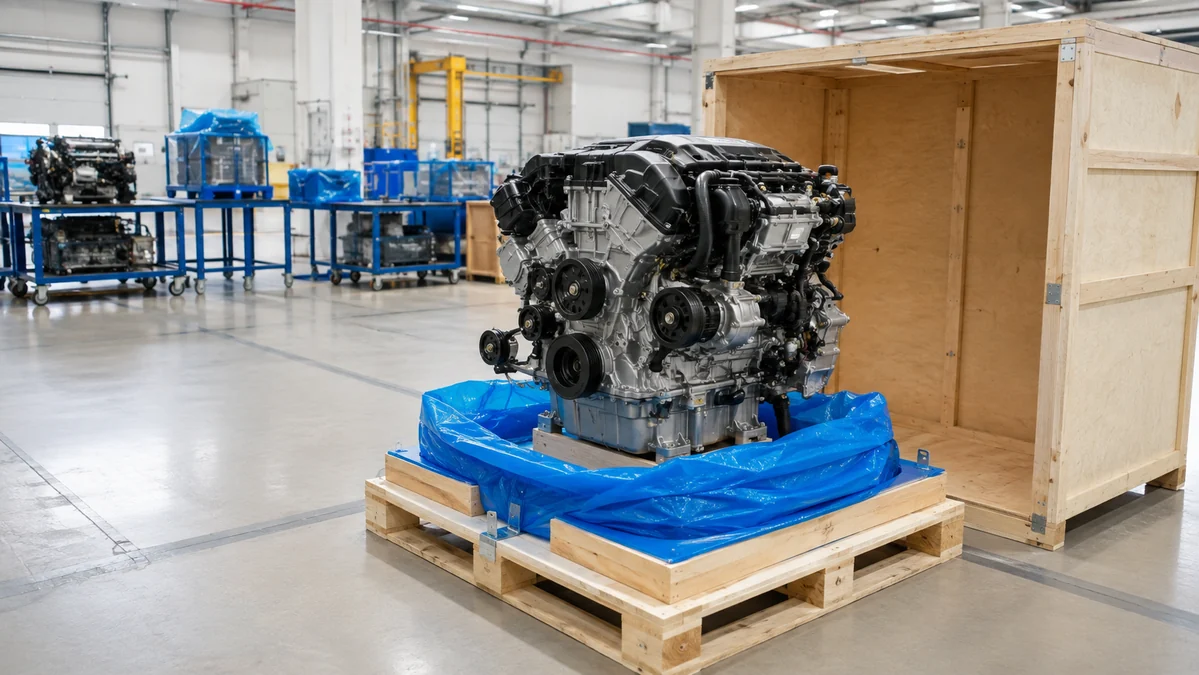
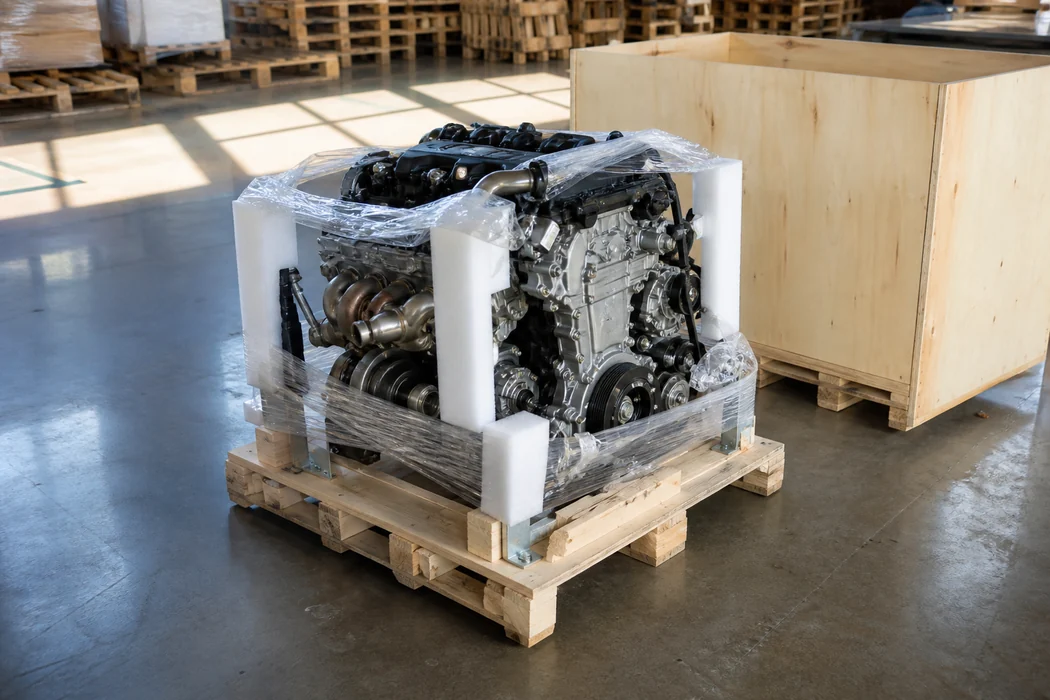
Packing is where an otherwise clear order can lose context. Keep the applicable packing reference, product photos and document references connected to the buyer’s batch record. Do not assume a specific crate, pallet or protection method unless it has been agreed for that transaction. For the paperwork stage, compare the information with the engine shipping documents guide before treating a document set as complete.
How Can NANXI POWER Support a Batch Record Review?
NANXI POWER can help review the original engine code, VIN and photos for preliminary identification, then compare the requested product form and visible configuration with the quotation discussion. The team can also support pre-shipment visual records and documentation references for the agreed transaction. Send the quotation reference, requested quantity, delivery country and current evidence set so the next step can be reviewed without assuming fitment, included accessories or commercial terms.
Frequently Asked Questions
Does batch traceability guarantee engine compatibility?
No. It organizes the evidence used for a transaction. Compatibility still needs a careful review of the original engine code, VIN where available, transmission, drivetrain, photos and agreed configuration.
Should every engine have the same record format?
Use a consistent buyer-side structure, but keep the fields appropriate to the transaction. Do not invent details merely to complete a template.
Can a VIN replace original-engine photos?
No. A VIN can assist preliminary identification. Clear original-engine photos remain useful for checking visible configuration and accessory differences.
When should product photos be added to the record?
Add them when they are provided for the transaction, then connect them to the current quotation and agreed product scope rather than viewing them in isolation.
Do shipping documents prove the physical configuration?
No. Documents support the commercial and shipping record. Use them alongside the agreed scope and relevant visual evidence; do not treat them as a substitute for configuration confirmation.
Organize Your Next Engine Batch Reference
Share the quotation reference, original engine code, VIN where available, clear original-engine photos, requested quantity and delivery country with NANXI POWER. Use our contact page, WhatsApp or email. You may also visit the Made-in-China store, the Alibaba.com International store or follow NANXI POWER on LinkedIn.