Quick Answer
A replacement engine product listing is useful when a buyer can identify the item, understand the stated scope and see what still needs confirmation. Give each listing a specific product form, verified identity details, a clear configuration description, current photos and explicit exclusions or unknowns. Separate confirmed facts from information awaiting review. A listing should help buyers ask better questions; it should not imply vehicle fitment, included accessories, availability or commercial terms that have not been confirmed for that item.
What Should a Replacement Engine Listing Tell a B2B Buyer?
A product page is a first-stage reference, not a substitute for a model-specific confirmation. Its job is to describe the product form and the information that can be supported, while showing buyers what to provide before a quotation or order. This is particularly important for international distributors who may compare similar names across several suppliers. A multi-model engine inquiry guide can help organize a catalog review when the same team is checking several items.
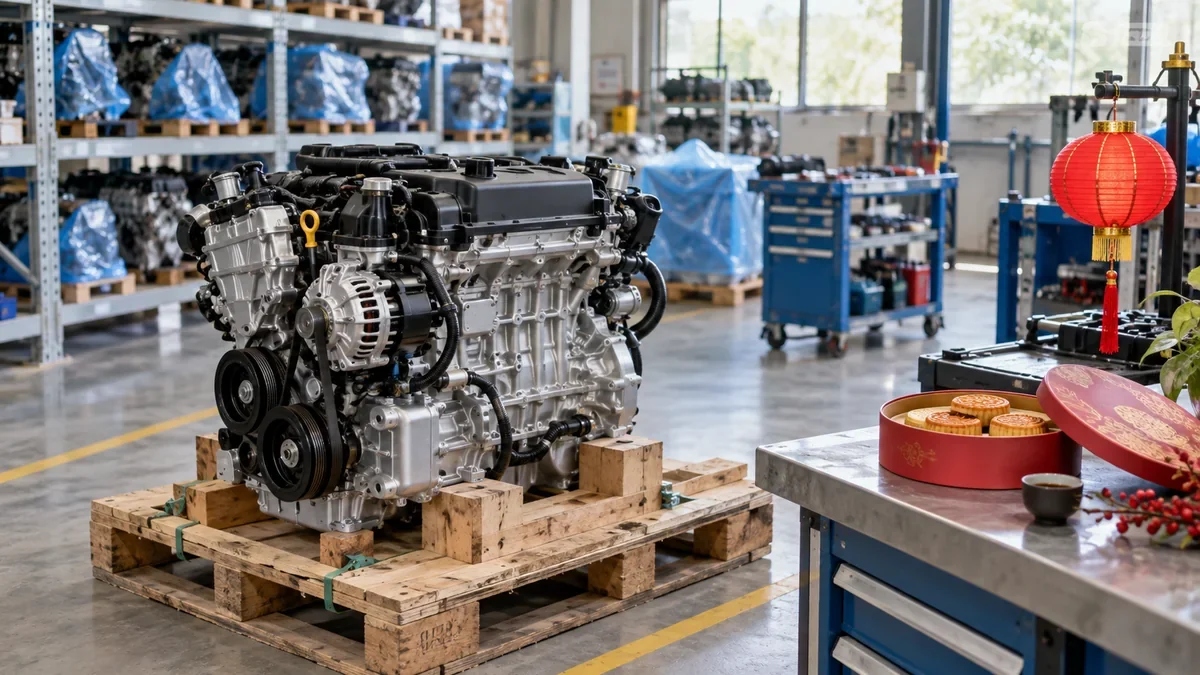
Begin with the exact product form used in the offer, such as complete engine, long block, short block, bare engine, cylinder block or cylinder head assembly. These terms describe different scopes. Do not treat a generic title as proof that two listings contain the same parts. If accessory inclusion, condition or an application detail is not verified, say that it must be confirmed against the specific product and commercial quotation.
Which Listing Details Need Evidence?
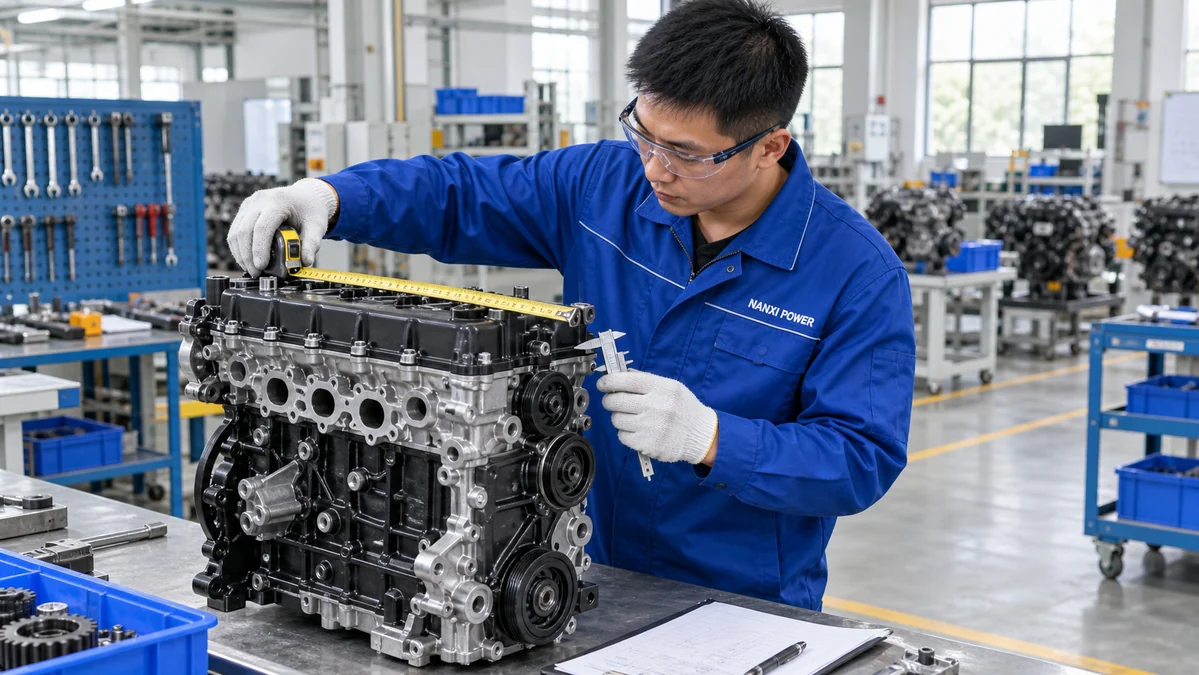
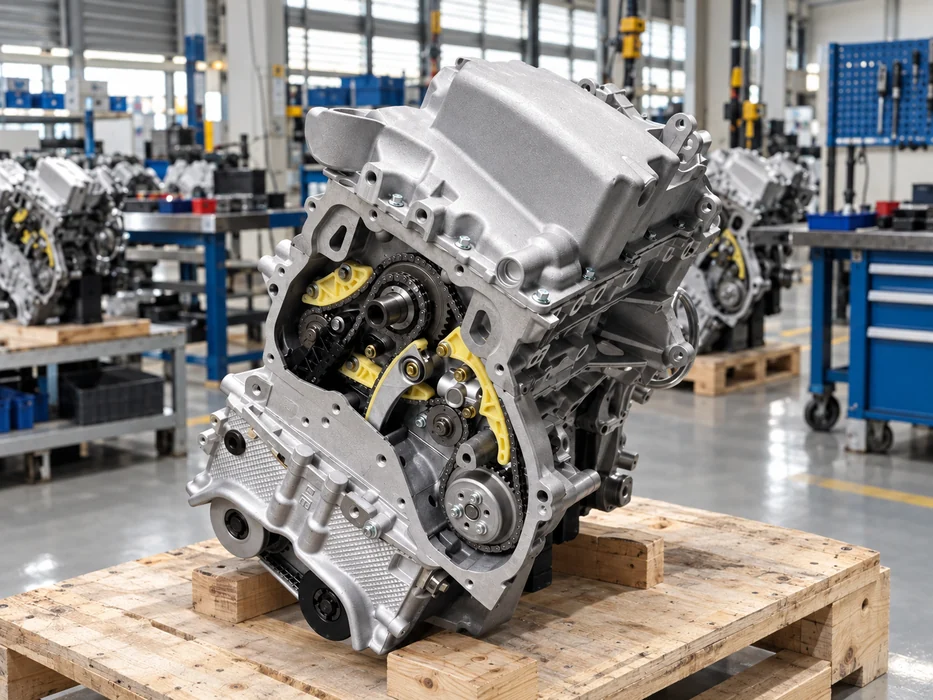
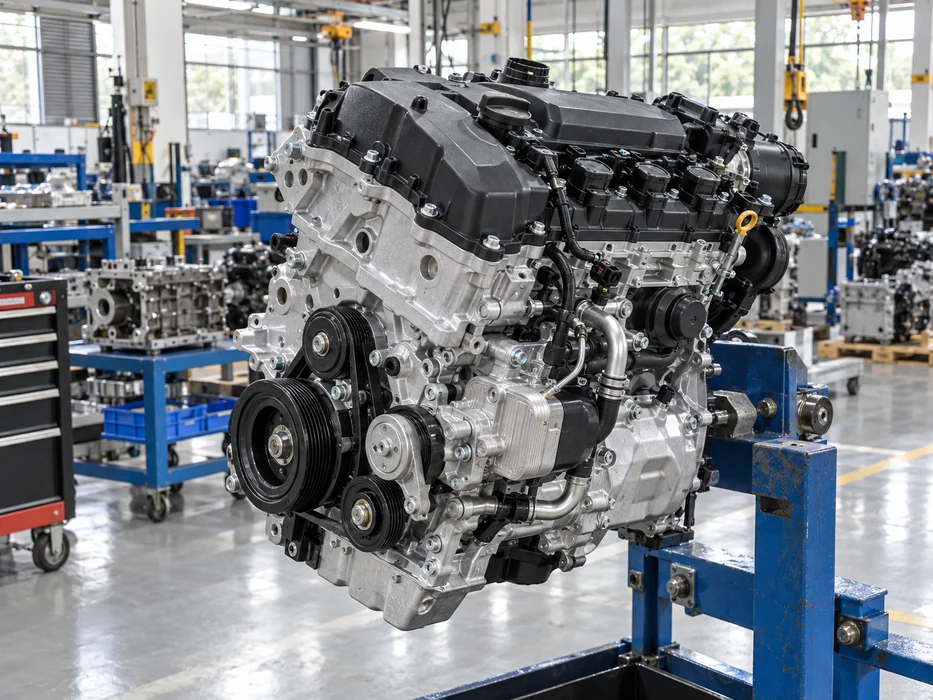
Keep evidence close to the field it supports. An overall image can show product form and visible layout, but it does not prove an internal specification. A code may narrow an identification question, but it does not by itself confirm every version or accessory. A quotation should state the offered scope and any exclusions in writing. For a broader supplier review, use a repeatable engine supplier evaluation checklist.
How Can a Distributor Review a Listing Before Publishing It?
- Set the record owner. Name the person responsible for checking product facts and the date the source was reviewed.
- Define the product form. Use the supplier-confirmed name and explain the offered scope in plain language.
- Gather identifiers and images. Match the listing to its current item record. Use engine code, VIN-assisted information and original-engine photos as applicable, without presenting preliminary identification as a fitment guarantee.
- Separate known, unknown and excluded items. Check configuration, included accessories, condition and status against current product-level evidence. Move unresolved points into a visible confirmation note.
- Compare the quotation with the page. Make sure the written quotation defines the item offered. A replacement engine ordering checklist helps buyers collect their request details, while the engine quotation checklist focuses on comparing the actual offer.
- Update or retire stale copy. Assign a review date and a clear process for removing a listing when its evidence no longer reflects the offered item.
A simple catalog sheet can contain: listing URL or SKU; product form; verified identifiers; photo date; confirmed configuration; excluded or unknown scope; evidence owner; review date; and the link to the current quotation or item record. Keep records together so a later buyer question can be traced to the source that supported the page. A batch traceability checklist covers related record-keeping after items are grouped for an order.
How Can NANXI POWER Support a Listing Review?
NANXI POWER can review an engine code, VIN and original-engine photos as preliminary identification evidence, then discuss the requested product form and configuration against the specific inquiry. Product photos or videos can support a visual review of the offered item, while the final quotation should state its scope and any points still requiring confirmation. Buyers can share the listing they are checking, the engine evidence, required quantity and delivery country so the discussion stays tied to a defined request rather than an assumed application.
Frequently Asked Questions
What is a verifiable replacement engine listing?
It is a listing that connects each important product statement to current evidence, distinguishes confirmed information from open questions, and defines what a buyer should confirm in the quotation.
Can a product listing guarantee vehicle fitment?
A general listing should not promise fitment unless the exact application has been verified for the offered item. Buyers should submit the original engine code, VIN where available and clear original-engine photos for review.
Do product photos confirm which accessories are included?
Photos can show visible features, but they do not necessarily define commercial scope. Ask the supplier to list included and excluded items in the specific quotation.
How often should a distributor review an engine listing?
Set a review date based on how frequently the source product information changes, and review the page whenever its supporting record, images or commercial scope changes. Retire statements that no longer have current evidence.
What information should a buyer send to verify a listing?
Share the listing URL or reference, original engine code, VIN where available, clear original-engine photos, the requested product form, required quantity and delivery country. Identify the exact claims or configuration points that need review.
Review an Engine Listing Against a Real Inquiry
Send NANXI POWER the listing URL, engine code, VIN where available, original-engine photos, required quantity and delivery country. We can help review identification and configuration questions for the specific inquiry. Use Contact NANXI POWER, WhatsApp or Email. You may also visit the Made-in-China store, the Alibaba.com International store or LinkedIn page.