Quick Answer
A useful multi-model engine inquiry gives each requested engine its own line, reference photos and configuration fields. Do not place several engine codes in one message without quantities, product forms or vehicle details. A structured inquiry lets the supplier quote line by line and flag missing information before the order moves forward.
One Row per Engine Request
Distributor inquiries often begin as a list copied from workshop messages. The list may contain brand names, partial engine codes and quantities, but little evidence that the requested versions have been checked.
Turn that list into a purchase specification. Assign a buyer line number to every engine request and use the same line number in filenames, quotation comments and follow-up messages. This prevents photos for one engine from being attached to another line.

Fields That Belong on Every Line
A stable reference used in files and discussion.
Typed exactly and supported by a marking photo.
The requested number for that exact configuration.
Complete engine, long block, base engine or short block.
VIN, market and available model information.
Transmission, drivetrain and key external differences.
Add a notes field for the accessories or parts your workshop expects to transfer. Treat this as a question until the quotation confirms the supplied scope.
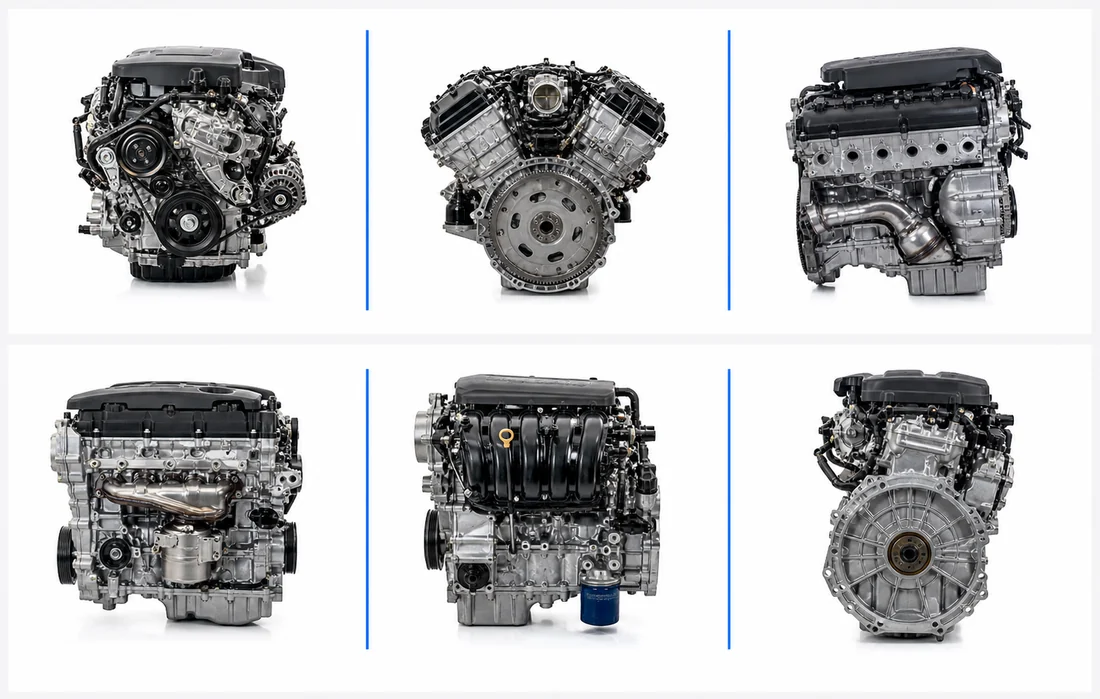
Give the Photos a Naming System
Folders named “engine 1” and “engine new” become hard to audit when several people join the conversation. Use the buyer line ID at the start of each filename.
Example file pattern
NXQ-01_code.jpg
NXQ-01_timing-side.jpg
NXQ-01_oil-pan.jpg
NXQ-01_transmission-side.jpg
The filename identifies the inquiry line. The photo itself still needs to show enough context to be useful.
Separate Known Facts From Open Questions
A procurement sheet should distinguish confirmed buyer information from fields awaiting supplier review. For example, the buyer may know the engine code and transmission but still need confirmation of the oil pan or mounting arrangement.
Use plain statuses such as “provided,” “photo needed” and “supplier review.” Avoid marking a version “confirmed” until both sides have agreed on the configuration and the quotation reflects it.
Ask for Line-by-Line Quotation Notes
A quotation for multiple models should remain readable when it reaches the warehouse or workshop. Each line should identify the product form, confirmed reference, quantity and included scope. If a configuration remains open, resolve it before payment and preparation.
- Buyer submits the structured request and photo folders.
- Supplier flags incomplete or ambiguous lines.
- Buyer provides missing vehicle or engine evidence.
- Supplier quotes the available configuration line by line.
- Both sides confirm commercial terms and final scope.
Use the Same References Through Packing and Receiving
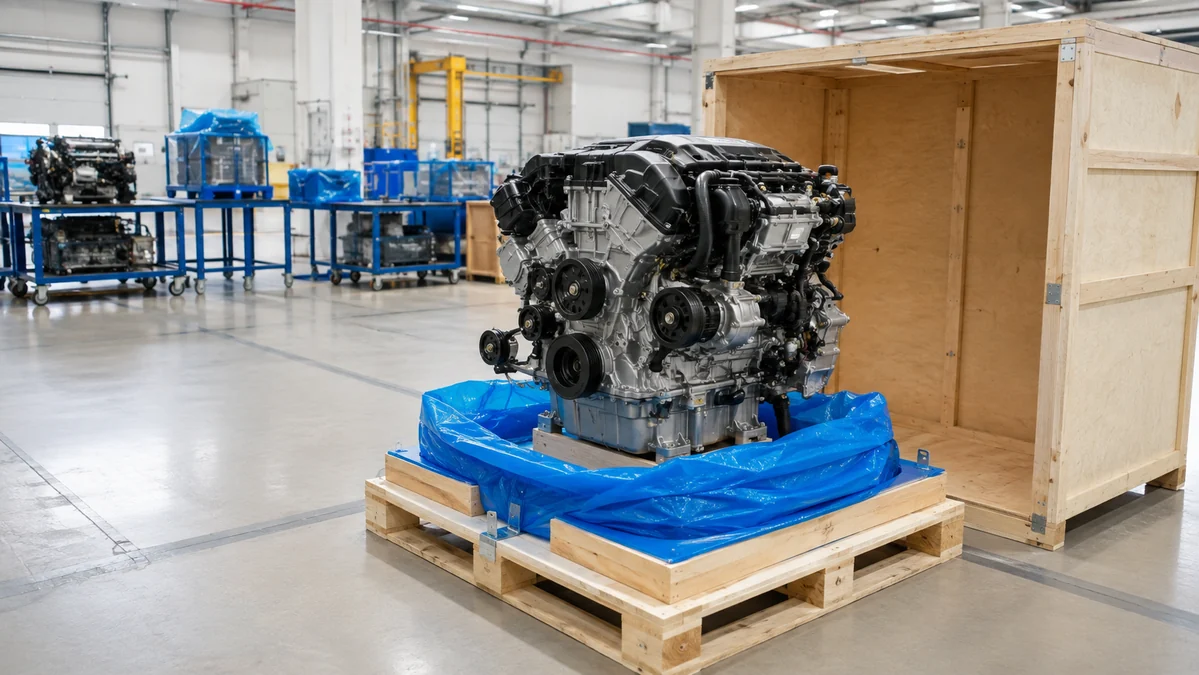
The buyer line ID can continue into packing marks, case numbers and receiving records. That reduces the chance that similar engines are mixed during destination handling.
For the wider order sequence, review the NANXI POWER engine supply process. The engine brand catalogue helps organize the initial model list, while the B2B inquiry FAQ covers common preparation questions.
Make the Sheet Useful to Sales and Technicians
Sales teams need quantities and commercial references. Technicians need codes, photos and configuration evidence. A well-designed inquiry combines both without forcing either team to search through a long chat history.
For B2B company updates and distributor-oriented content, connect with NANXI POWER on LinkedIn.
Frequently Asked Questions
Can several engine codes be quoted in one inquiry?
Yes. Give each requested configuration a separate line with quantity, product form and supporting information.
Should every line include a VIN?
Provide VIN when available for preliminary identification. Engine code, original-engine photos, transmission and drivetrain remain important.
What if the same code appears twice with different configurations?
Use separate line IDs. Record the transmission, drivetrain, oil pan, mounting and other visible differences for each version.
Can the buyer combine photos into one PDF?
A summary PDF can help, but keep the original image files available. Original images are usually easier to enlarge and compare.
Send a Multi-Model List That Can Be Quoted Line by Line
Include a buyer line ID, engine code, quantity, product form, VIN-assisted details and labeled photo folder for every request.