Quick Answer
Engine storage before shipment should keep the identified unit, its visible protection and its handling status clear until final packing and dispatch. B2B buyers should confirm where the engine is in the order workflow, how it is supported, whether exposed areas remain protected, how the unit is identified and which dated photos belong to the current order. Storage photos support review, but they do not prove hidden condition, exact product scope or final packing by themselves.
What Does Engine Storage Before Shipment Cover?
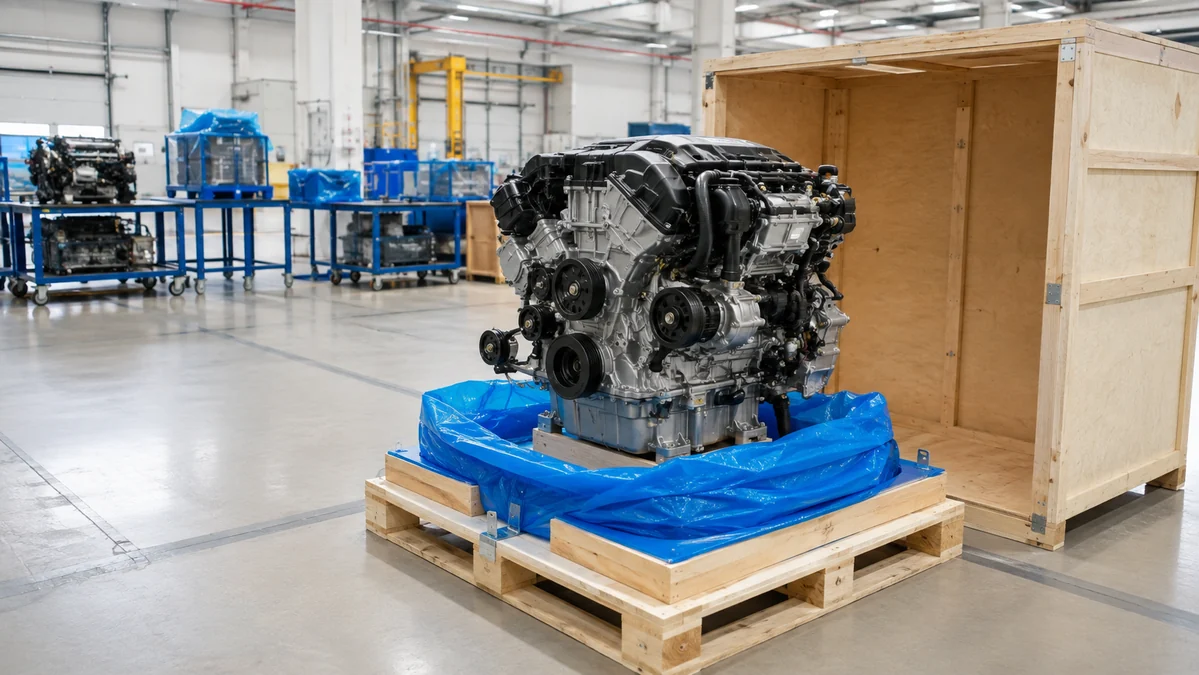
Storage is the period between product preparation or inspection and the next confirmed order stage, such as final packing, collection by a freight forwarder or dispatch. It is not the same as export packing. A temporary cover on a supported engine may be appropriate for one stage, while the agreed shipping package may require a different structure and record.
The buyer therefore needs a stage-specific answer: Is the photograph showing preparation, temporary storage, final packing or shipment readiness? The broader engine supply workflow helps place each record in sequence. Avoid treating one factory image as proof that every later step is complete.
Which Storage Details Should a B2B Buyer Confirm?
| Check | Useful evidence | Do not assume |
|---|---|---|
| Order identity | Order reference and engine identification linked to the photo set | Every unit in a wide factory photo belongs to the order |
| Support | Wide views showing how the unit rests before packing | The visible support is the final shipping base |
| Visible protection | Overview and detail photos of covers and accessible openings | A cover confirms a particular preservation specification |
| Handling status | A clear statement of the current and next order stage | The engine is ready for dispatch because it looks complete |
| Record date | A current, ordered photo sequence connected to the quotation | An undated catalogue or factory photo represents the current unit |
What Should a Useful Storage Photo Record Show?
Start with one wide image that establishes the storage area and the unit’s support. Add closer views of the visible cover, accessible openings, identification area and any point that needs clarification. Keep the photos in a simple sequence so the supplier and buyer can discuss the same engine without mixing records from different orders.
The pre-shipment engine photo checklist provides a fuller camera sequence. For storage review, the priority is context: show enough surrounding structure to establish where the detail belongs. A close-up without an overview may be technically sharp but commercially ambiguous.
How Is Temporary Storage Different From Final Packing?
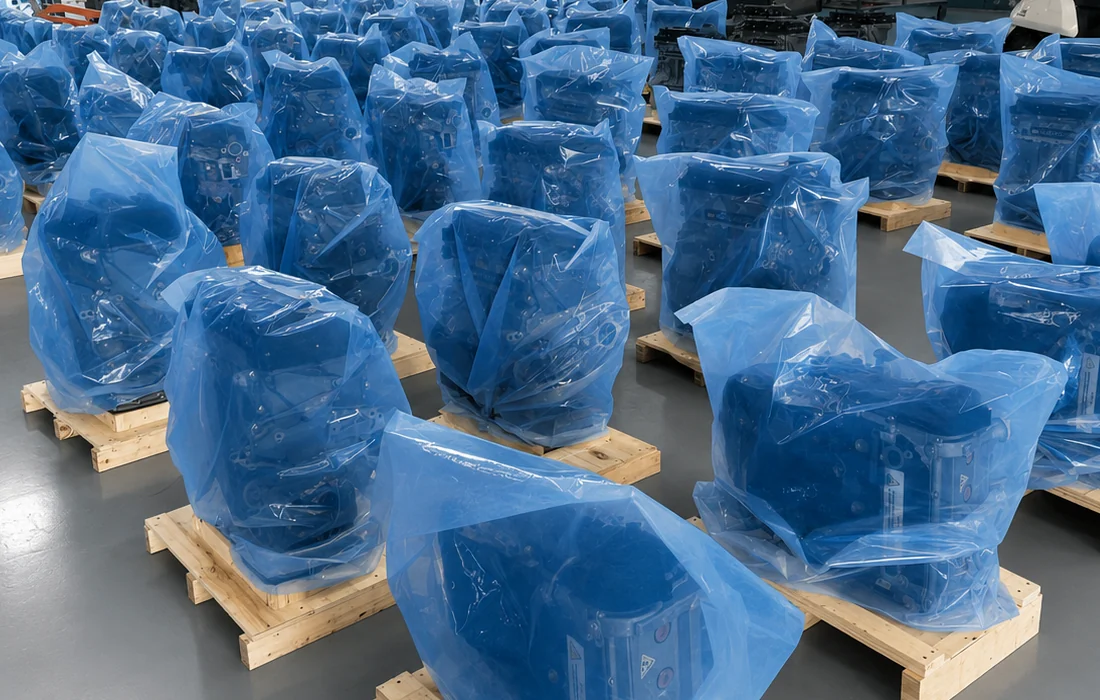
Temporary storage protects and identifies the unit while it awaits the next step. Final packing prepares the agreed product for handling and transport under the order’s packing requirements. The visible cover, pallet or fixture in a storage photo should not automatically be described as the export package.
Before dispatch, compare the storage record with the engine packaging checklist. If the order requires neutral presentation or specific shipping marks, review the separate neutral packing and labeling guide. Packing materials, labels and handling arrangements should follow the current quotation and commercial agreement rather than a general article photograph.
Why Does the Order Stage Matter When Reviewing Factory Photos?
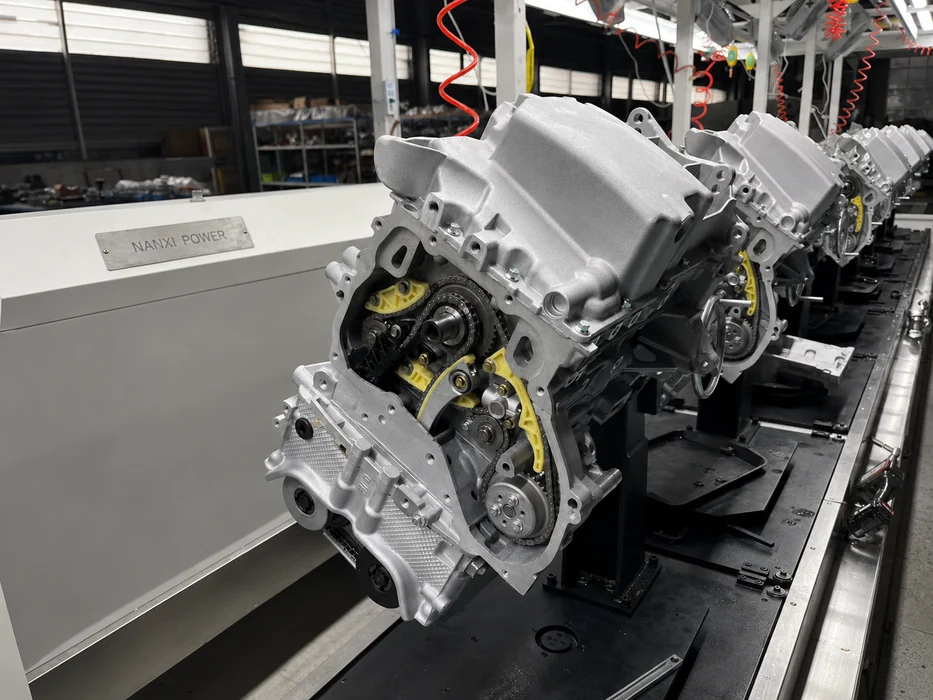
A production-area photograph can show visible configuration at one point in the workflow. A storage image can show support and covering. A final packing image can show the transport package and markings. These records answer different questions, so the buyer should request the record for the exact decision being made.
Ask the supplier to label the stage instead of inferring it from machinery, floor layout or background activity. The photograph should support a written order record; it should not be used to invent a testing method, production capacity, certification or completion status.
Who Should Confirm What?
Buyer responsibility
Provide the correct order reference, engine code, available VIN, requested product form, configuration questions and any agreed packing or labeling requirements. State which storage or shipment evidence is needed for internal approval.
Supplier responsibility
Keep the current unit identifiable, explain the stage shown, provide relevant visual records and distinguish temporary support or covering from the final shipping package. Any product scope or special handling term should be confirmed in the quotation or commercial agreement.
A Six-Step Engine Storage Review Workflow
- Identify the order: match the photo set to the quotation reference and engine identification.
- Name the stage: confirm whether the unit is in preparation, temporary storage, final packing or dispatch.
- Review visible support: use wide views to understand how the engine is positioned before the next handling step.
- Review visible protection: request closer views of covering and accessible openings without guessing the preservation method.
- Compare the agreed scope: check product form, visible configuration and special packing or labeling instructions against the current quotation.
- Preserve the handoff record: keep the approved photo set for comparison with the replacement engine receiving inspection checklist.
Frequently Asked Questions
Is a covered engine ready for international shipping?
Not necessarily. A visible cover may be part of temporary storage. Confirm the final packing structure, identification, restraints, labels and dispatch stage separately.
Can one wide factory photo confirm my engine?
No. A wide photo provides context, but an order-specific record should also connect the engine identification, current quotation and relevant detail views.
Should storage photos show every uncovered surface?
The record should show the details needed for the buyer’s review without removing protection unnecessarily. Ask for safe overview and detail views appropriate to the current stage.
Does a pallet in a storage photo define the final packing method?
No. It may be temporary support. The final packing method and included materials should be confirmed in the order documents and final packing record.
What information should I send with a storage question?
Send the order reference, engine code, available VIN, required product form, the relevant photo number and a concise question about support, covering, identity or the next order stage.
Confirm Storage and Packing Requirements
Send the engine code, available VIN, product form, order reference and required storage or packing records. NANXI POWER can review the available information before quotation and dispatch coordination.
Follow business updates on the official NANXI POWER LinkedIn page.