Quick Answer
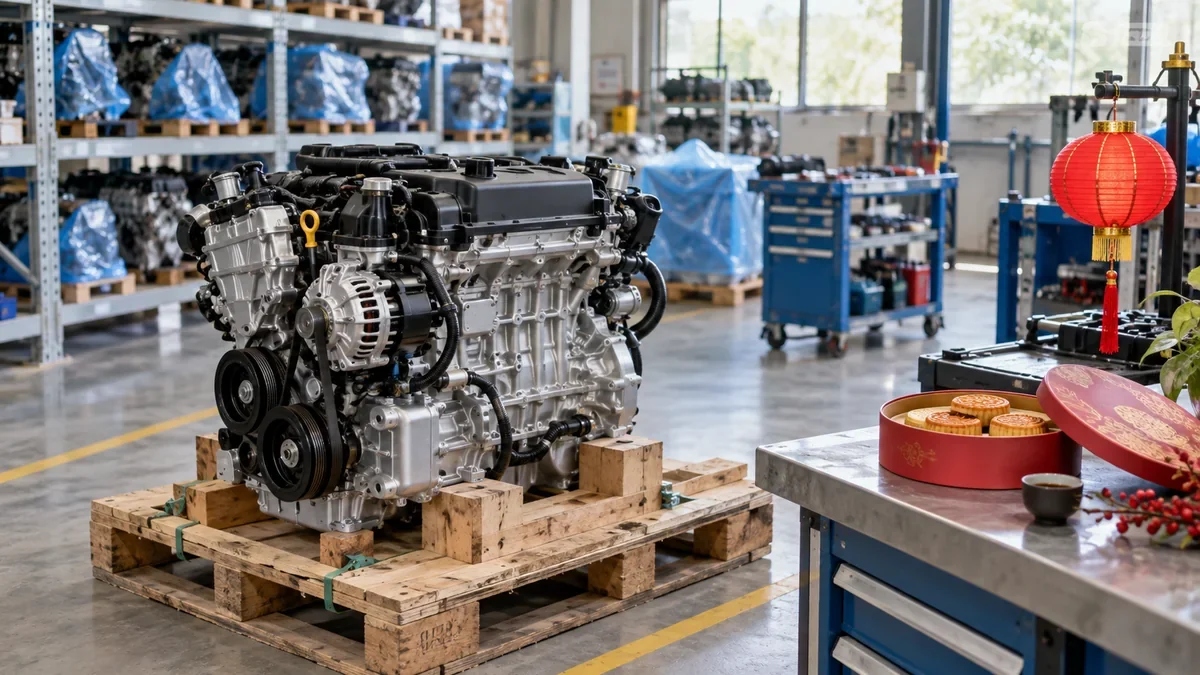
Engine drivetrain configuration should be confirmed before ordering because FWD, RWD, AWD and 4WD applications can use different engine orientation, mounting points, transmission interfaces, oil pans, brackets and accessory layouts. The engine code alone may not identify every installation detail. Send the drivetrain type, transmission information and clear photos of the original engine from several angles.
Why Does Drivetrain Configuration Matter When Ordering an Engine?
The drivetrain describes how power reaches the driven wheels. Front-wheel drive (FWD) commonly uses a transverse engine layout, while rear-wheel drive (RWD) commonly uses a longitudinal layout. AWD and 4WD systems add another set of connections and clearance requirements. These are useful starting points, not universal fitment rules; the actual vehicle and engine version must be checked.
A shared engine family can appear in more than one vehicle platform. The core engine may be related, but the transmission mating arrangement, mount brackets, oil pan, covers, intake direction, wiring routes or attached accessories can differ. That is why a buyer should describe the original application instead of asking only for an engine code.
Which Drivetrain Details Should the Buyer and Supplier Confirm?
| Check | Buyer should provide | Supplier should confirm |
|---|---|---|
| Driven wheels | FWD, RWD, AWD or 4WD as shown by the vehicle records | Which application basis was used for the offered engine |
| Engine orientation | Clear top, front, rear and side photos of the installed engine | Whether the proposed unit uses the required transverse or longitudinal arrangement |
| Transmission | Automatic or manual type, available transmission code and mating-area photos | The visible transmission interface and quoted scope |
| Mounting and clearance | Photos of brackets, oil pan, crossmember area and relevant driveline clearances | Any visible bracket, sump or housing differences requiring case-specific review |
| Included scope | Which original brackets, covers, sensors or accessories can be reused | A written list of what is included, excluded or shown only for reference |
What Physical Areas Should Be Compared?
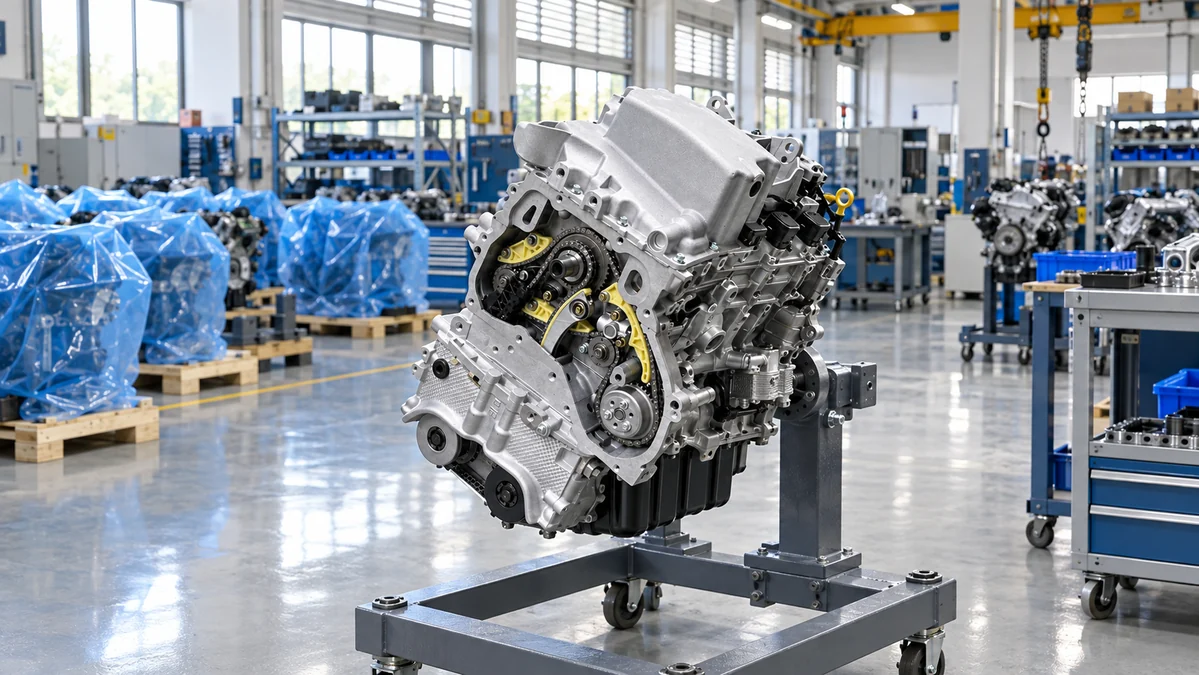
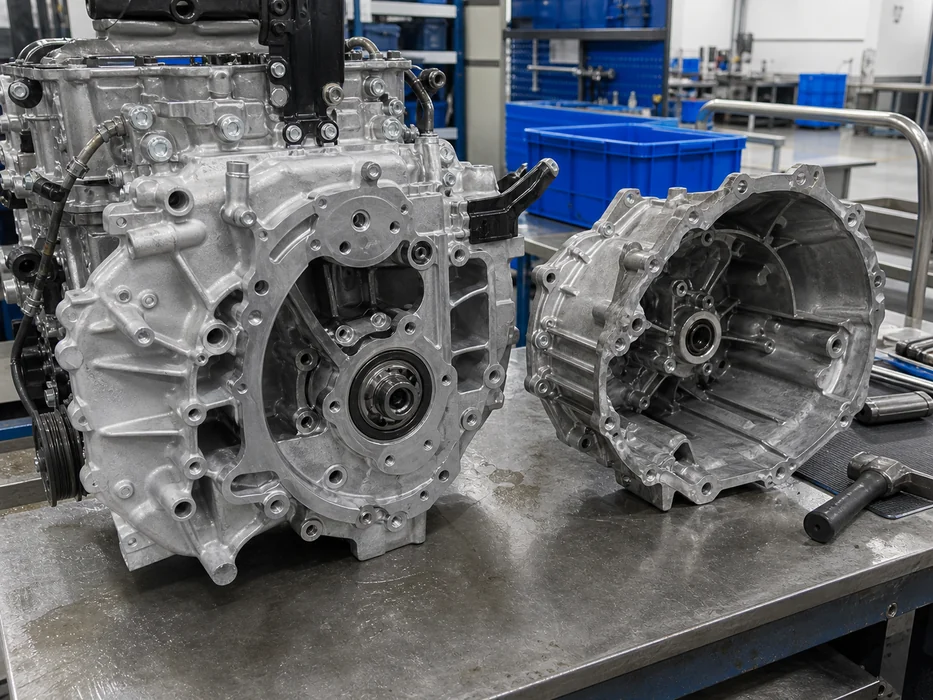
Start with the transmission mating face and the major engine mount locations. Compare visible bolt patterns, bracket positions and housing clearances without assuming that similar-looking castings are interchangeable. If transmission type is still uncertain, use the automatic vs manual transmission ordering checks before the quotation is finalized.
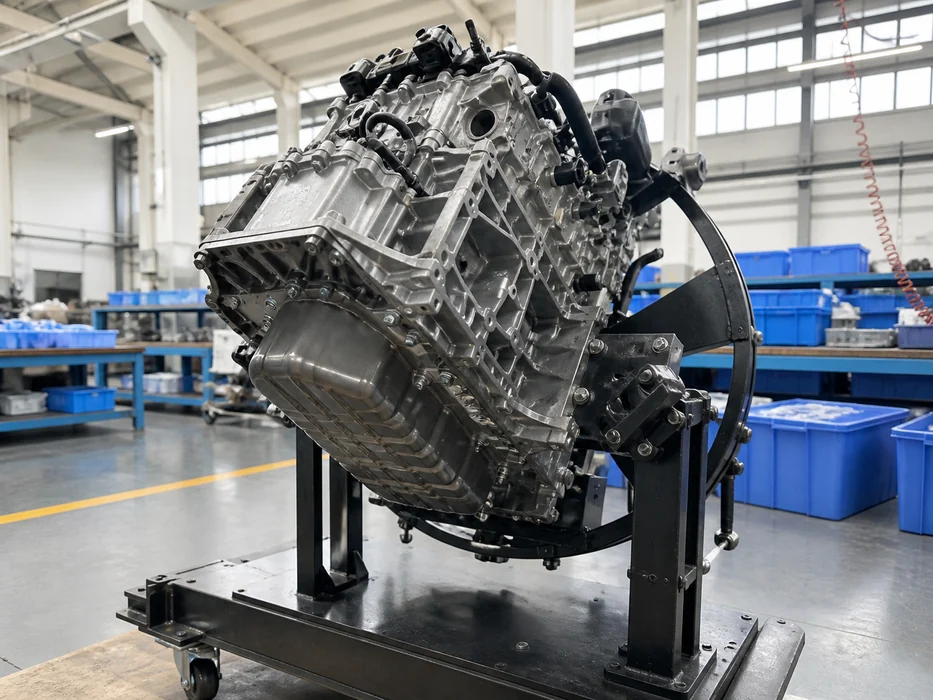
Next, compare the side and underside of the original unit. The engine mount bracket position guide explains why bracket location matters, while the oil pan configuration guide shows why sump shape and clearance should not be ignored. These items may be separate, reusable or version-specific, so their quoted status must be written down.
Which Photos Help Confirm the Original Configuration?
A useful photo set includes one wide engine-bay view, both sides of the engine, the transmission connection, the underside and oil pan, all major mounting brackets, the front accessory area, wiring connectors and visible identification marks. Keep the images at full resolution and label them by vehicle or inquiry line rather than adding arrows over important details.
Engine identification still matters. The engine code vs engine number guide explains which markings help define the engine family and which identify an individual unit. Use those markings together with drivetrain, transmission and photos; none should be treated as a standalone compatibility guarantee.
A Six-Step Engine Drivetrain Configuration Workflow
- Identify the vehicle: provide the make, model, available VIN and the original engine code.
- State the drivetrain: write FWD, RWD, AWD or 4WD and explain the source of that information.
- Describe the transmission: state automatic or manual and include the transmission code when available.
- Send a complete photo set: cover orientation, mating face, mounts, oil pan, accessories, connectors and identification marks.
- Define the quoted scope: list which brackets, covers, sensors and external accessories must be included or can be reused.
- Review one evidence set: compare the written quotation, current product photos and requested version before approval.
For external components that may change with the installation, use the engine accessory configuration checklist. It helps separate the engine’s core identity from the exact accessories and interfaces required by a particular order.
How Can NANXI POWER Support Drivetrain Configuration Review?
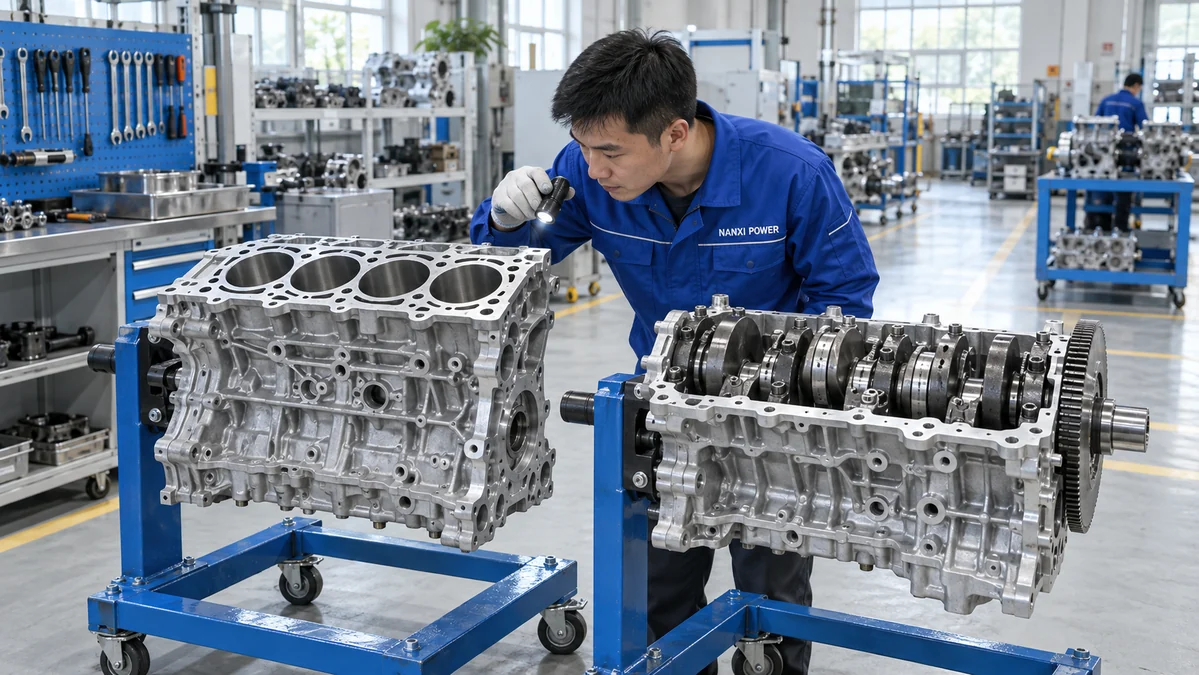
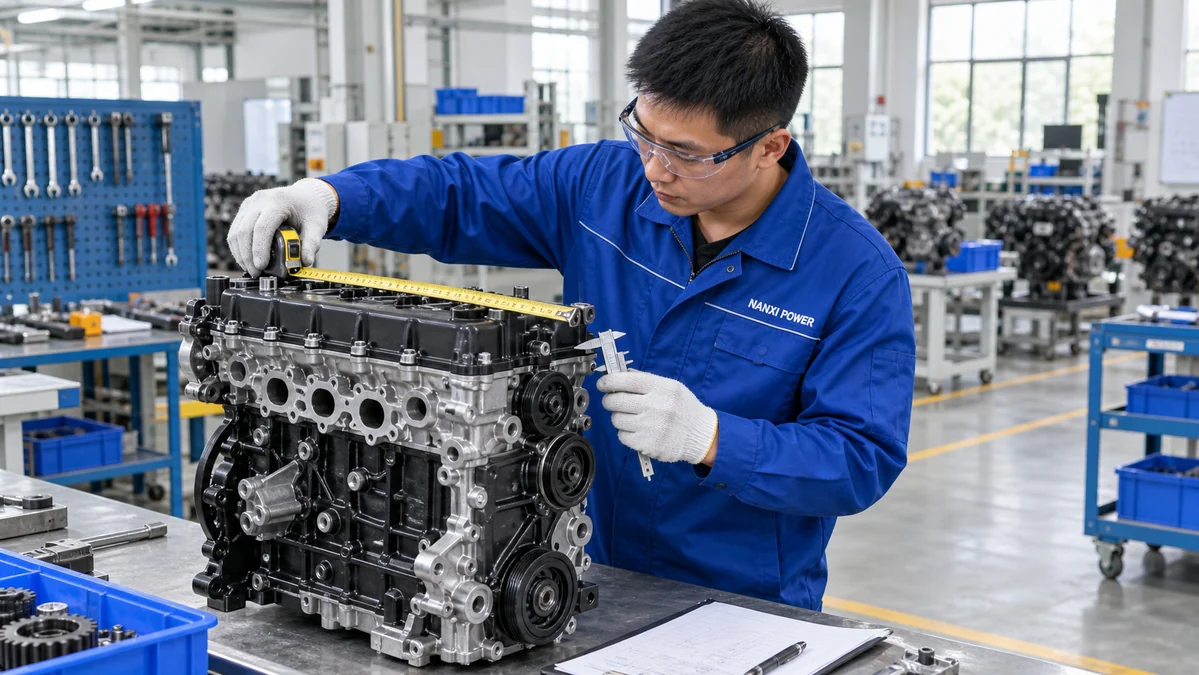
NANXI POWER can review the engine code, available VIN and original-engine photos, then compare the requested engine drivetrain configuration, product form and included accessories before quotation. The team can also organize current visual records around the visible mounting, transmission and oil-pan details. Send the drivetrain type, transmission information, quantity, destination and a complete photo set so the quotation discussion uses one clearly defined configuration.
Frequently Asked Questions
Can the same engine code be used in FWD and RWD vehicles?
An engine family may appear across different platforms, but that does not prove that every installed configuration is interchangeable. Confirm orientation, transmission interface, mounts, oil pan and accessory layout for the specific vehicle.
Are AWD and 4WD the same for engine ordering?
Do not use the terms interchangeably without checking the vehicle documentation. Both can create drivetrain-related clearance and interface requirements, but the actual system and required engine configuration depend on the application.
Does FWD always mean a transverse engine?
FWD commonly uses a transverse layout, but “commonly” is not proof for a specific vehicle. Use original-engine photos and vehicle information to confirm the actual mounting orientation.
Is the transmission included with a replacement engine?
Never assume it is included. The quotation should state the exact product form and all included or excluded components. Transmission information may still be required to confirm the correct engine interface.
What should be sent for an initial drivetrain configuration inquiry?
Send the engine code, available VIN, vehicle model, FWD/RWD/AWD/4WD information, transmission type, original-engine photos, required product form, quantity and destination.
Send Your Configuration Details to NANXI POWER
Send the engine code, available VIN, drivetrain type, transmission information, original-engine photos, required scope, quantity and destination. The team can review the visible configuration and prepare the next quotation discussion on a case-specific basis.
For more B2B engine procurement updates, follow the official NANXI POWER LinkedIn page.