Quick Answer
Black spark plugs are a clue to operating conditions, not a diagnosis of engine damage. First separate dry soot from a wet coating, then compare the affected cylinders. Wetness may involve fuel or oil; color alone cannot identify the liquid. Replacing the plugs can leave the cause unresolved, and black deposits alone do not justify an engine replacement.
Start with service records and photographs. The visual checks below concern plugs already removed during normal servicing, with the engine off and cool; they are not instructions to dismantle an unfamiliar ignition system or run the engine with ignition parts exposed.
1. What do black spark plugs mean?
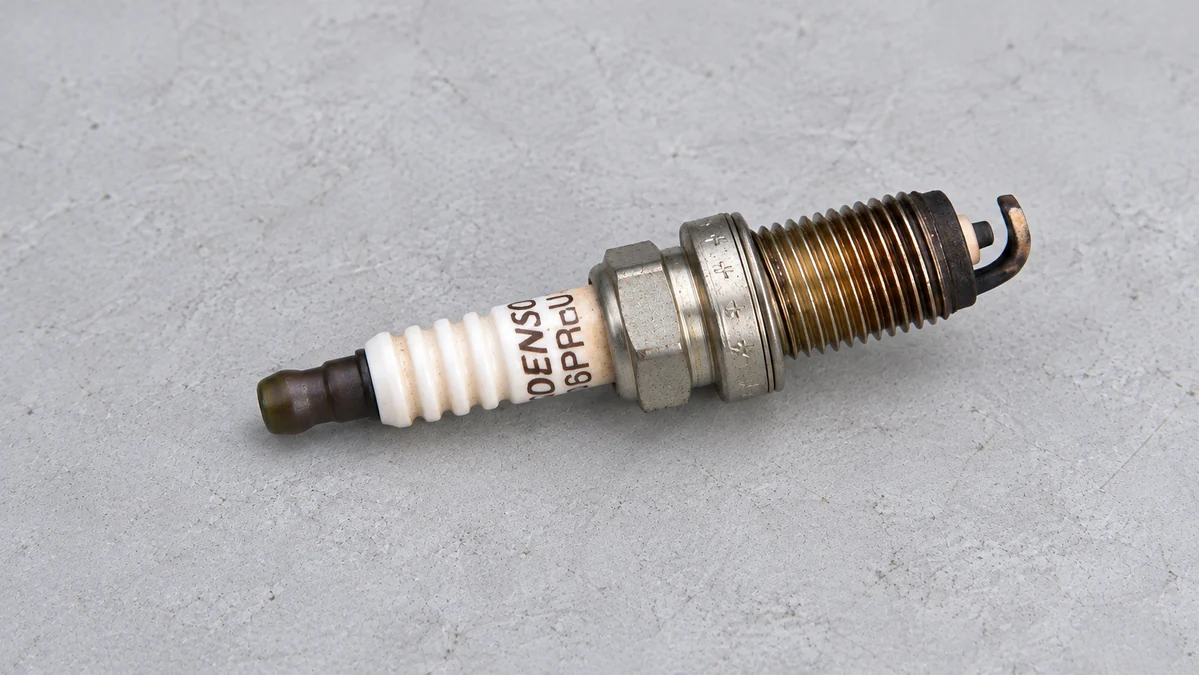
Dry, soft black deposits at the firing end indicate carbon fouling; a wet black coating needs a separate fluid check. A rich mixture, ignition problems and operating conditions can contribute to fouling. The appearance helps choose the next check but does not prove that a coil, injector, piston ring or engine has failed.
The firing end is the end inside the combustion chamber: the center electrode, the ceramic nose around it and the ground electrode beside it. The ribbed ceramic above the metal hex is outside that chamber.
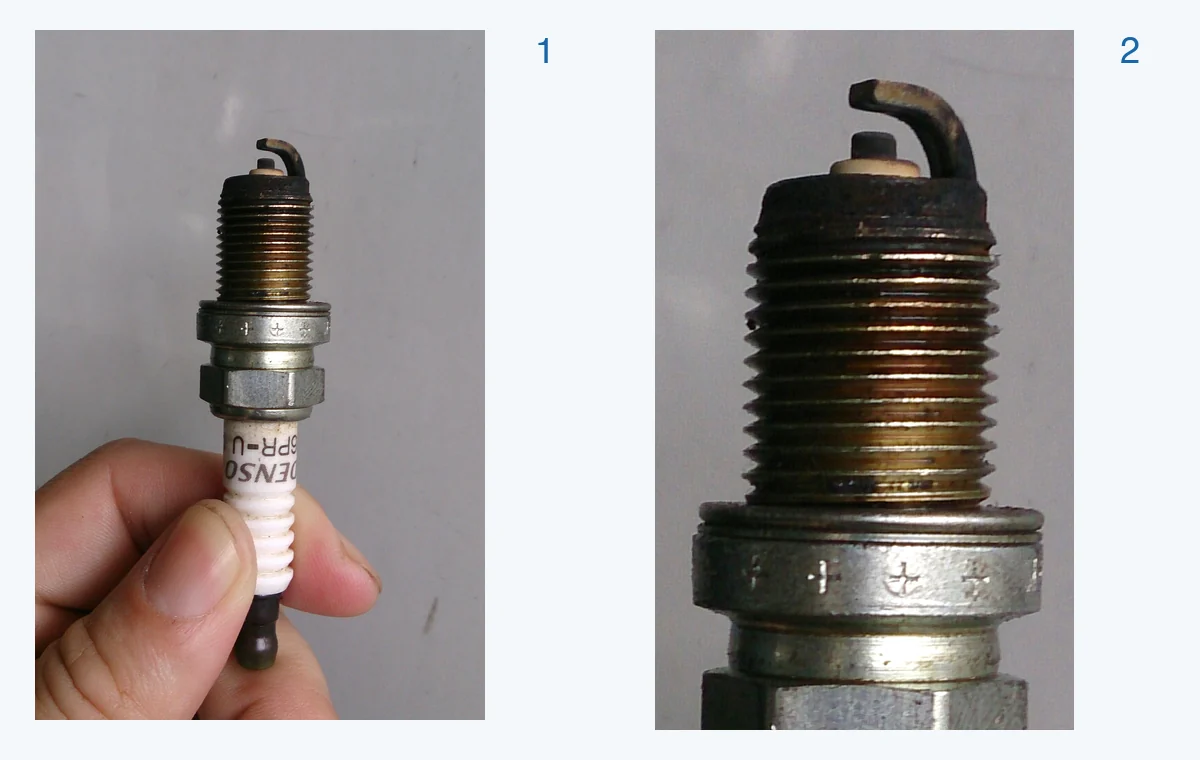
- Locate the deposit. Record whether it is on the firing tip, threads or upper ceramic. Oil outside a removed plug is a different observation from oil identified on its firing end.
- Photograph the untouched surface. Take a full-plug view and a tip close-up under even light, before cleaning removes the evidence.
- Describe what you see. Use dry, sooty, wet, shiny, cracked or melted.
Melted electrodes or broken ceramic belong in a damage investigation, rather than the ordinary-soot category. NGK’s plug-reading reference explains why dark deposits can have several causes.
2. Is a wet black spark plug covered in gasoline or engine oil?
Either is possible; a photograph of a wet tip cannot identify the liquid. DENSO distinguishes fuel fouling from oil fouling: a gasoline-wet plug can dry soon after removal, while oil fouling is described as a dark, lustrous oily coating. These are inspection clues, not a timed identification test.
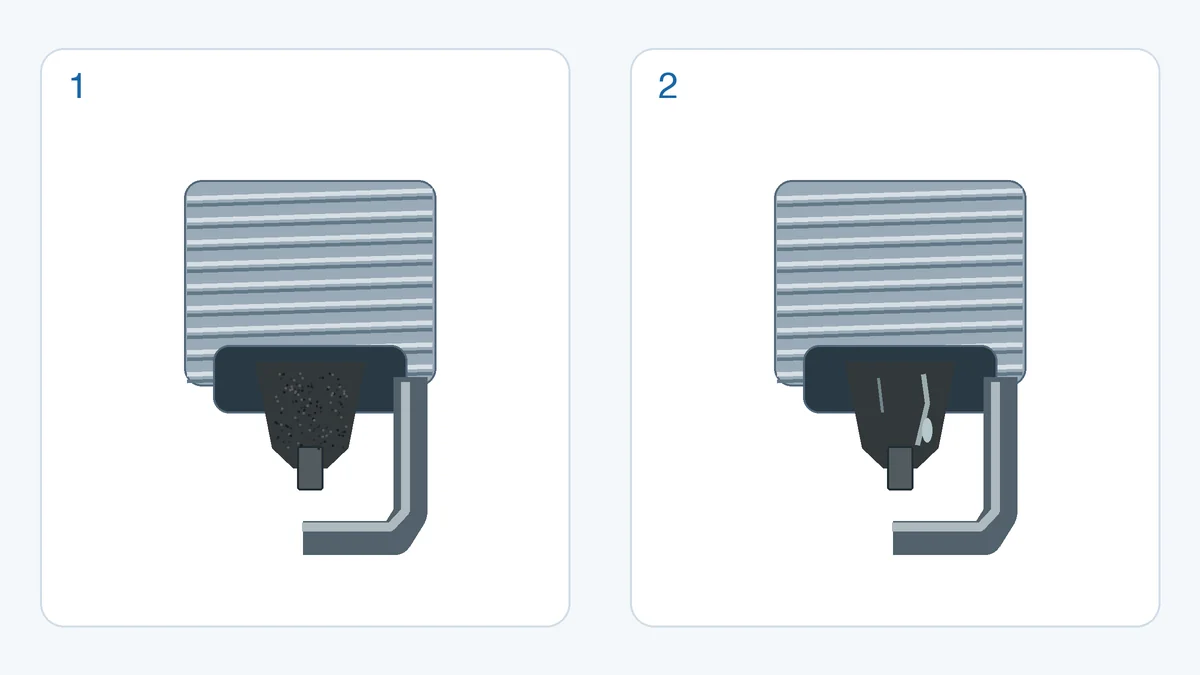
| Observation | What it supports | What it cannot prove |
|---|---|---|
| Dry, soft soot | Carbon fouling | A specific failed component |
| Wet immediately after removal, then drying naturally | Fuel fouling is a possibility | That an injector has failed |
| Dark, shiny coating identified as oily | Oil fouling | The route by which oil entered |
- Keep the timing of the photo. Note whether it was taken immediately after removal or later; a dry later photograph does not establish the original condition.
- Read the running history. Record repeated unsuccessful starts, recent servicing and any documented oil consumption.
- Avoid improvised tests. Do not use a flame, deliberate heating or a test spark to identify the liquid.
DENSO lists worn piston rings, cylinders and valve guides as possible routes for oil to reach the firing end; a workshop needs to confirm the cause with tests appropriate to the engine.
See the separate carbon, oil and fuel entries in DENSO’s diagnostic reference; its handling instructions must not be applied to every engine as a universal procedure.
3. Why do new spark plugs turn black again?
A new plug can foul again if the condition that fouled the old one is still present. Changing the plug does not correct an overly rich mixture or repair a failing ignition component. Repeated short cold runs can also contribute to carbon fouling, so recurrence alone does not prove that the new plugs are defective.
- Check the replacement record. Compare the fitted part numbers with the application specified for the actual engine; a physically similar plug is not enough.
- Record when the deposits returned. Note the mileage and whether the engine had mainly short cold runs, prolonged idling or normal journeys. Do not attempt a high-speed “cleaning run” as a diagnostic shortcut.
- Compare old and new evidence. Check whether the same cylinder and the same dry or wet pattern returned, and save any existing fault-code report before it is cleared.
DENSO explains that new plugs cannot compensate for a faulty coil or damaged ignition lead; recurring fouling needs checks of the relevant fuel and ignition conditions, not another unexplained parts change.
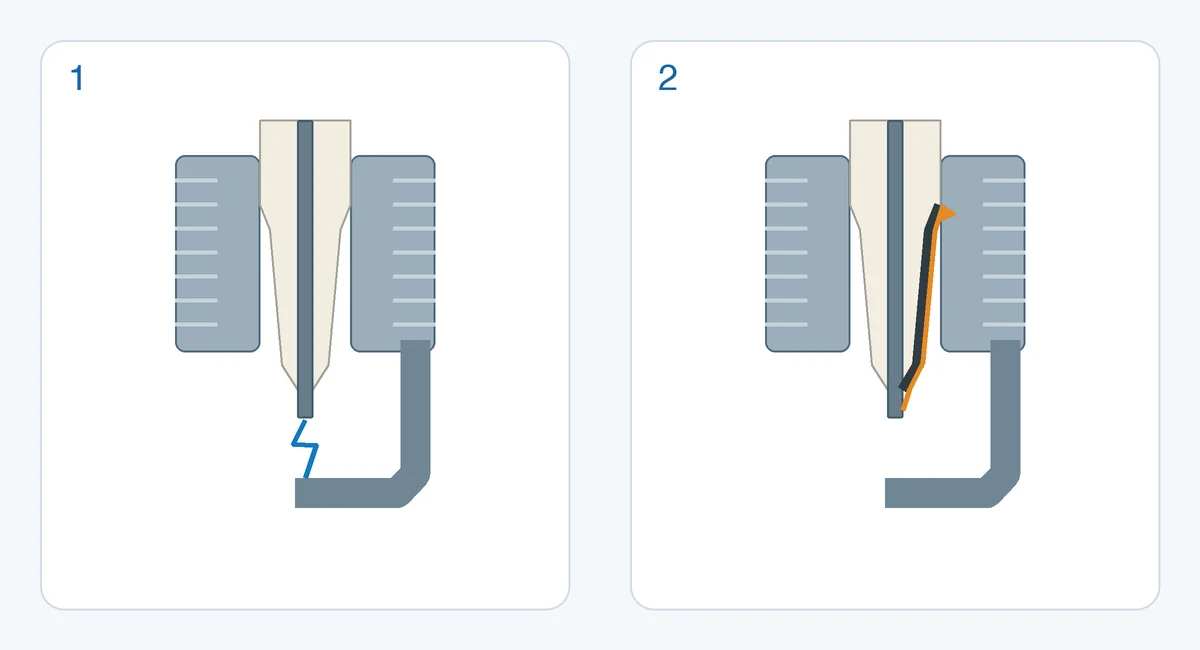
Conductive carbon can divert electrical energy along the insulator toward the shell instead of across the gap, as described in NGK’s technical Q&A, question 14. The drawing explains this mechanism without giving a voltage, gap setting or test result.
4. Why is only one spark plug black?
One plug that differs from the rest gives you a cylinder-specific observation, not a cylinder-specific diagnosis. The useful first step is to preserve that difference. It does not establish whether the cause is the plug, ignition, fueling or an internal engine condition, and it does not justify replacing a set of unrelated parts.
- Preserve the cylinder labels. Use the vehicle’s documented cylinder numbering; if the removed plugs were mixed up, record that the original positions are unknown.
- Compare like with like. Photograph all firing ends in the same light, from a similar angle, and check whether they carry the same specified part marking.
- Match the records. Note whether an existing misfire report identifies the same cylinder and whether the difference appeared before or after recent work.
A workshop can use this cylinder-by-cylinder record to choose targeted ignition, fueling or mechanical tests for the actual engine.
5. Do black spark plugs mean the engine needs replacing?
No: black deposits alone do not establish a need to replace the engine. Fouling has several possible causes, and replacing an engine before identifying them can leave the decision unsupported. Even when an internal fault is confirmed, the choice between a component repair, engine repair and replacement depends on the actual findings.
- Separate the observation from the conclusion. “Wet black plug” describes a condition; “worn rings” requires supporting evidence.
- Check the maintenance record. Look for documented oil-use history, prior repairs and the mileage at each observation. A single photograph is not an oil-consumption measurement.
- Read the proposed repair against the findings. The report should explain what was tested, what was found and why the proposed scope addresses that fault.
If workshop testing confirms an internal-engine fault—for example, through compression or leak-down results assessed against the engine manufacturer’s limits—compare the cost and scope of repair with replacement before deciding.
For comparing those options, use the existing repair-or-replace decision guide after the findings are available.
NANXI POWER: clear engine information for a technical enquiry
If workshop findings confirm an internal-engine fault and a cost comparison shows that repair is uneconomic, send the engine code, VIN and original-engine photos to NANXI POWER. We can check the configuration and provide a quotation for a corresponding long block, with available visual records to clarify the quoted configuration. Use our engine identification guide and accessory configuration guide to organize them.
Questions about engine identification?
Contact NANXI POWER with the engine identification and the findings already recorded. You can use WhatsApp or Email, or send an enquiry through Made-in-China and Alibaba.com International. Our official company updates are on LinkedIn.
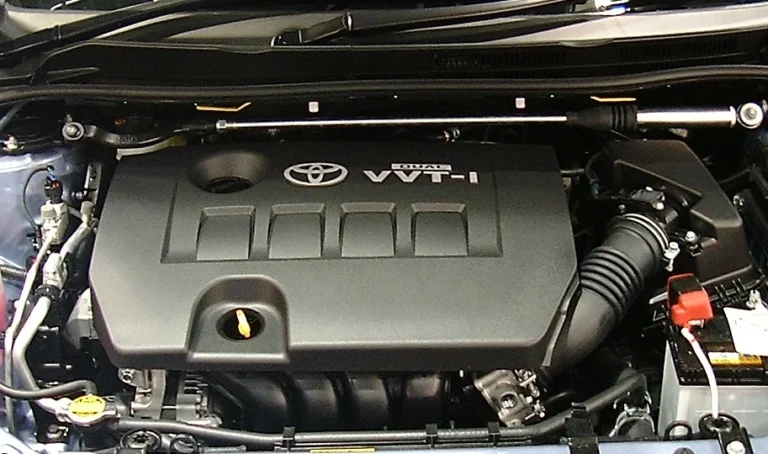
Image credit: the real component photograph and the source of the photo-based cover are by ProjectManhattan, Wikimedia Commons, used under CC BY-SA 3.0. The body photograph was lightly brightened, cropped and arranged. The cover uses AI-assisted background, lighting and composition editing based on the same photograph, retaining its used-part appearance. Both adaptations remain under the same license. These images illustrate the component, not a NANXI inspection or a diagnosed fouling case. The comparison drawings are original educational illustrations.