Quick answer: A 2ZR-FE oil leak at the engine–transmission joint needs a confirmed source before anyone orders a replacement engine. Toyota identifies a rear oil galley plug as one possible source on certain US-market 2009–2017 Corolla vehicles. Confirm the vehicle, identify the fluid and trace the leak. A wet joint alone does not establish which part has failed.
What should you record before requesting parts?
Start with the VIN, model year, market, complete engine designation and transmission type. Keep the date of the observation and the recent repair history with the photographs. A distributor receiving only “Corolla engine leaking” cannot tell whether the request concerns a small repair, a damaged engine or an unidentified fluid at the transmission housing.
Ask the workshop to identify the fluid rather than naming it from a photograph. Record which fluid level is changing, when fresh drops appear and whether the area was already wet before the latest work. A photograph of old residue is useful history, but it cannot establish the current rate or the starting point of a leak.
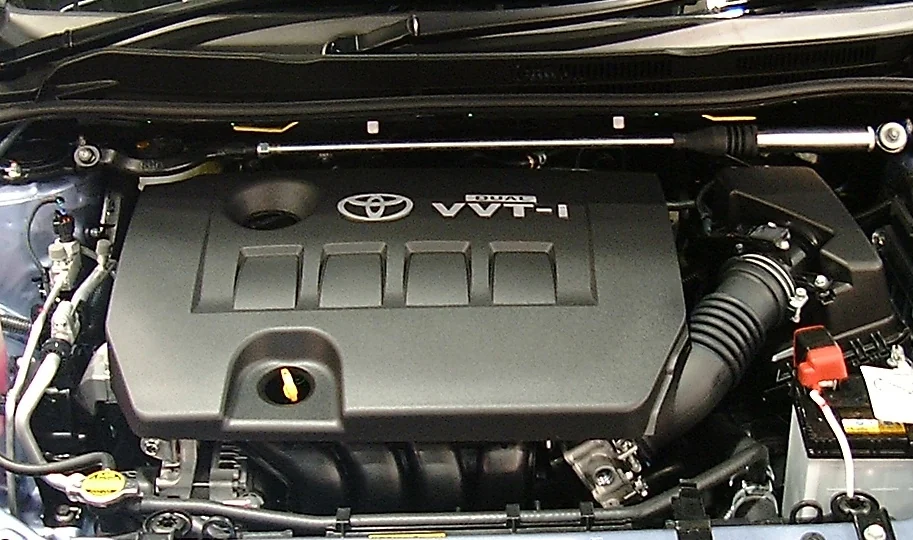
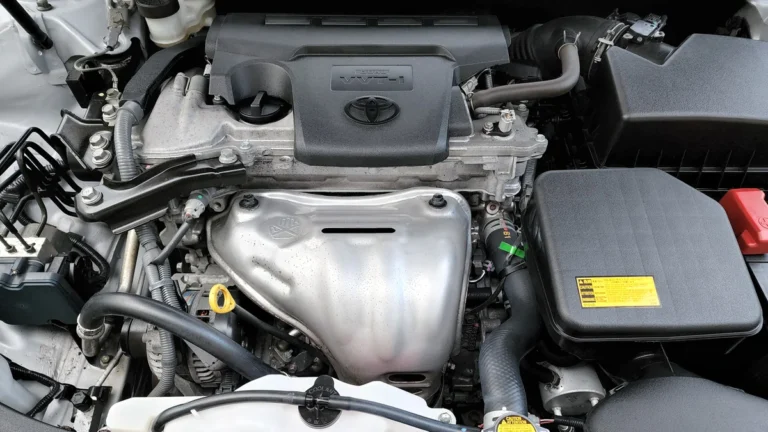
The photograph shows a real 2ZR-FE engine bay for identification context. It does not show the rear block plug. Use the vehicle’s identification and the workshop’s accessible inspection views to establish the actual installation; a similar engine cover is not a compatibility check. Our engine code and engine number guide explains what to photograph for an engine enquiry.
When is Toyota’s oil galley plug bulletin relevant?
Toyota bulletin T-SB-0280-17 describes a possible rear block oil galley plug leak on specified US-market 2009–2017 Corolla vehicles with 2ZR-FE or 2ZR-FAE engines. Its repair is specifically for a confirmed plug leak. The workshop must establish that source before applying the procedure.
That is a useful diagnostic lead, not a finding about every Corolla. A different market, engine or vehicle requires its own applicable service information. Check the current manufacturer information before authorising work; this article does not establish current campaign eligibility, warranty coverage or a parts supersession.
The bulletin’s repair involves removing the transaxle and using dedicated tools. It is workshop work. Do not treat the article as instructions to remove a plug, drill the block or separate the drivetrain. Ask the repairer to explain the confirmed source, the proposed access work and the parts and materials included in the estimate.
Why does oil at the joint not identify the failed part?
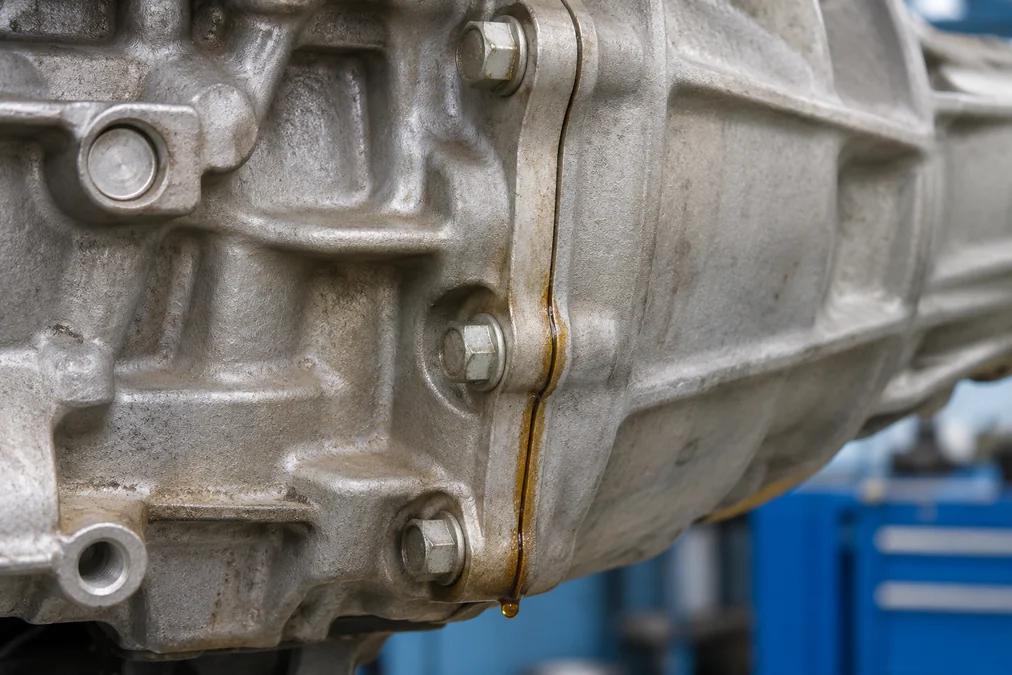
The lowest visible wet point is where fluid has reached. It may not be where it started. The illustration below explains the difference between a fluid path and a component diagnosis. Neither panel identifies the location of a Toyota oil galley plug.
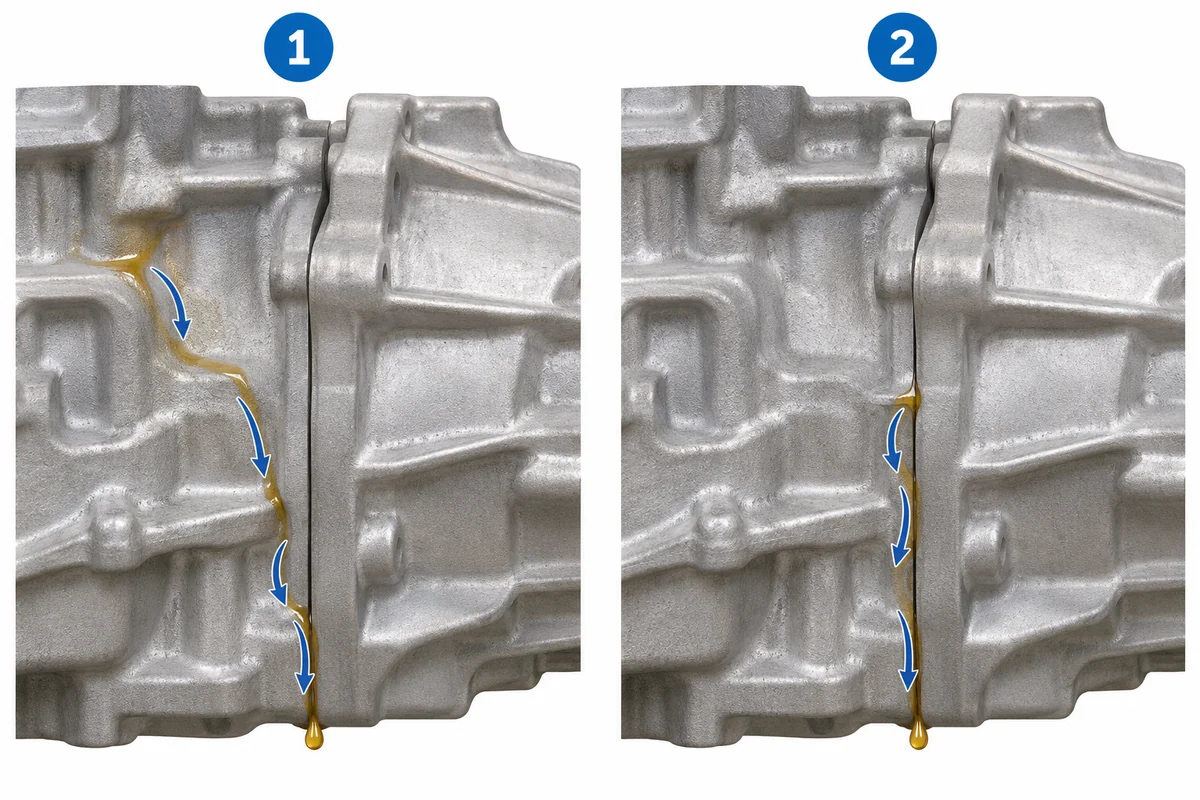
If the workshop has only photographed the bottom of the joint, ask for the source finding as well. “Wet at the joint” is a valid observation. “Confirmed leaking plug” is a more specific finding that needs supporting inspection. Keep those descriptions separate in the job record so a suspected cause does not become an assumed diagnosis in a parts order.
What findings change the repair or replacement decision?
- Old residue, current condition unknown: request a current inspection and a dated record before specifying parts.
- Fresh fluid, source unconfirmed: keep diagnosis open. Ask which fluid it is and where the workshop traced it.
- Rear plug leak confirmed on an applicable vehicle: obtain a scoped estimate for the relevant repair. A plug leak alone is not evidence of internal engine damage.
- Separate engine damage documented: compare the repair proposal with a replacement quotation using the actual findings and the vehicle’s intended use.
For the last comparison, ask what each quotation includes. Removal and installation labour, transferred components, fluids and checks may sit outside the engine price. A low long-block price is not the installed cost. Use our repair-or-replace comparison to organise those costs, and confirm what a long block includes before approving a supplier’s scope.
What should travel with the enquiry?
Send one short record containing the vehicle identification, the workshop’s confirmed or suspected source, the dated photographs and the proposed repair. Mark a suspected source as suspected. If additional damage is part of the replacement recommendation, include the technician’s findings or measurements and explain what further inspection remains.
Ask the workshop and supplier to list the components to retain, transfer or replace. Keep their answers with the quotation. This gives the buyer a clear basis for approval and avoids turning a fluid-leak enquiry into an engine order before the repair scope is known.
NANXI POWER: confirm the engine and supplied configuration
NANXI POWER lists the 2ZR (OLD) Engine Long Block in its Toyota engines catalogue. That catalogue label does not establish fitment for a particular 2ZR-FE vehicle. Share the VIN, engine identification and workshop findings so the team can check the requested engine and configuration. Ask for the included and transferred parts to be confirmed in writing. If the workshop has found a repairable plug leak without a separate reason to replace the engine, discuss that repair estimate first.
Technical source and image notes
Toyota T-SB-0280-17, Oil Galley Plug Repair Procedure, 11 September 2017, provides the limited vehicle applicability and plug-repair information above. Use the current applicable repair manual for diagnosis and work. No original Toyota diagram is reproduced here.
Engine photograph: Ypy31, 2ZR-FE, public-domain dedication; cropped and compressed for display. The two-panel illustration is an original conceptual image, not a photographed repair or a vehicle-specific parts-location drawing.
Have a confirmed engine replacement requirement?
Send the identification and workshop record through Contact NANXI POWER, WhatsApp or Email. You can also find us on Made-in-China, Alibaba.com International and LinkedIn.