Quick Answer
A 2ZR-FE water pump leak should be assessed by its source and whether fresh coolant is present. Dry deposits and an active leak lead to different decisions in Toyota’s non-electric-pump guidance. Start with the vehicle identity, coolant-level history and a photograph before cleaning. Have the workshop identify the leaking component and apply the relevant inspection sequence. A pump complaint alone does not establish a need for a replacement long block.
Which 2ZR does the guidance cover?
Toyota bulletin T-SB-0362-09 addresses water-pump coolant leakage or abnormal noise on specified US-market 2009–2010 Corolla and Matrix vehicles with the 2ZR engine. It has vehicle-identification and production-change limits. Its repair references identify the 2ZR-FE. Match the actual vehicle to the applicable information before using its repair route.
Write down the VIN, model year and engine code before requesting parts. If an engine has already been replaced, photograph its identification marks as well. A vehicle’s registration details and the engine now installed may need to be checked together. Our engine code and engine number guide explains what to photograph.
The later T-SB-0103-20 Rev1 covers non-electric-pump inspection for listed Toyota vehicles in the USA and Mexico. Check the current information for the actual model, market and pump type.
Does dried coolant mean the water pump has failed?
Dry residue alone calls for assessment of the current condition. Toyota distinguishes dried residue from wet coolant and drips. Its explanation includes a small discharge associated with mechanical-seal lubrication and temporary leakage when debris passes through the seal. A photograph of old deposits cannot show whether fresh coolant is still escaping.
The inspection sequence checks other cooling-system leaks first. It then considers reservoir level with active pump leakage, pulley or bearing condition, and a dry-paper-towel check at the deposits. Wetting with coolant indicates an active leak in that assessment. The workshop must follow the applicable sequence with safe access and the engine stopped.
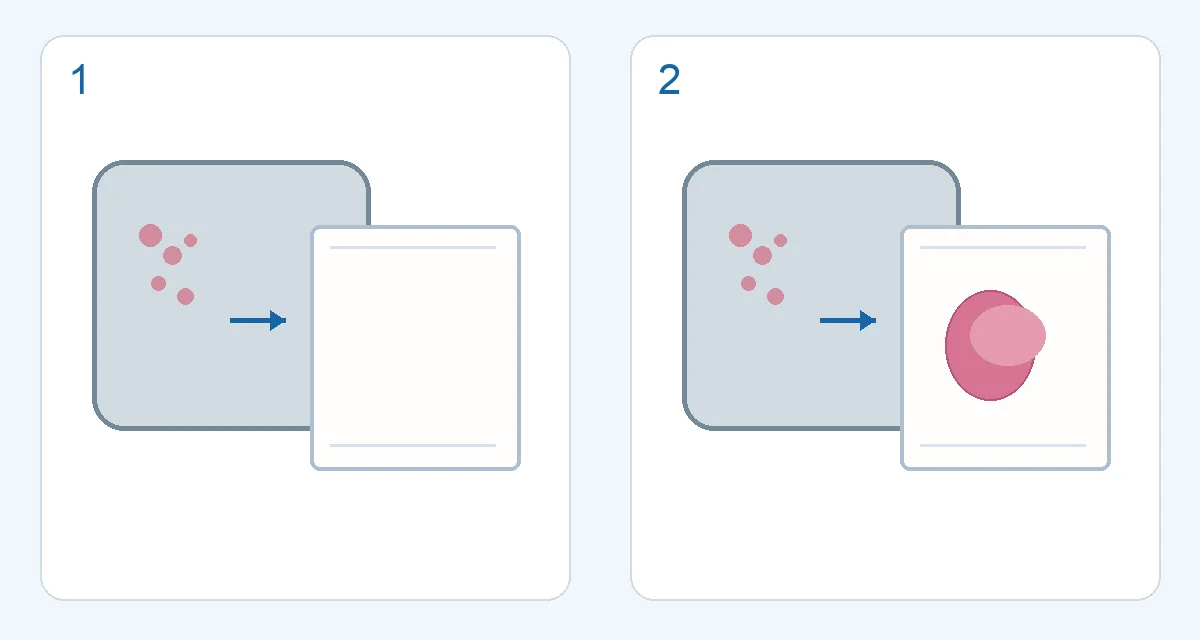
Keep the observation specific. “Dry crust photographed on Monday” and “fresh coolant visible at the pump on Tuesday” describe different evidence. Add the date and the engine’s cold or warm state to each record. Colour alone is a poor way to identify the source, particularly after someone has topped up the system.
What can you record before the workshop checks it?
Collect the starting evidence before cleaning or changing parts. You can make the first conversation more precise without reaching near belts or dismantling the pump.
- With the vehicle parked safely and fully cooled, photograph the reservoir level through the tank wall. Include its level marks and the date. Record any previous top-up and the quantity if known.
- Take one wider photograph showing where the suspected leak sits in the engine bay, then a closer view from a safely accessible position. Keep the original files so the workshop can compare the same area later.
- Write down when the mark appeared, whether a puddle was found, and whether there was an unusual noise or a temperature warning. State what you observed rather than naming a failed part.
- Bring the VIN and clear engine-identification photographs. Ask the workshop to put the confirmed leak location on the report before preparing the parts request.
If there is overheating or steam, stop safely and follow the vehicle’s emergency guidance. Leave a hot cooling-system cap closed. The evidence-gathering steps above are for a safely parked, cooled vehicle.
What if there is noise but no visible coolant?
Ask for the noise source to be identified before ordering a pump. The earlier 2ZR bulletin expressly requires the complaint to originate at the water pump for its repair route to apply. Tell the technician when the sound occurs and provide a recording made from a safe position. Belt removal and bearing assessment belong in the workshop inspection.
Does a leaking pump mean you need another engine?
The next decision is the confirmed repair scope. Ask for two separate findings on the estimate. First, which component is leaking or noisy? Second, has the workshop found an additional engine problem that requires separate work? A report that names the pump gives you a component-level job to discuss.
Keep the coolant-loss complaint separate from any engine-replacement quote. If overheating occurred, ask the workshop to document the additional checks it considers necessary and their results. A supplier should receive those findings, rather than just a picture of residue and a request for “the same engine.”
Where an internal fault has been confirmed and the installed repair cost makes replacement worth comparing, use the same scope for both estimates. Include labour, required external accessories and the work needed to address the original cooling-system fault. Our repair-or-replace comparison can help organize the figures. For a replacement enquiry, define what the proposed long block includes before comparing totals.
What should the completed repair record contain?
Ask for a clear link between the original complaint, the work and the final check. Keep these items together for the owner, workshop and any supplier involved.
- The confirmed source of the leak or noise, with the original photographs.
- The component and parts actually fitted, identified on the invoice.
- The final coolant-level and leak-check findings recorded by the workshop.
- The instructions for any follow-up observation, including who to contact if the level changes again.
If fresh marks appear later, compare their location with the original photographs before assuming the replacement part has failed. Give the workshop the new observation and the earlier repair record together. That keeps a second inspection focused on what has changed.
How NANXI POWER can support a 2ZR long-block enquiry
NANXI POWER can review the engine code, VIN and original engine photos, then help confirm the requested configuration and included accessories. If the workshop has confirmed an internal problem and repair is uneconomic after comparison, send its findings with the identification details for a corresponding long-block quotation. These are current product pages. Confirm compatibility by VIN.
Browse the Toyota engines catalogue alongside the specific listing.
Send the findings with the engine identity
Contact NANXI POWER with the VIN, engine code, original-engine photographs and requested supply scope. Send them by WhatsApp or Email. You can also enquire through Made-in-China or Alibaba.com International, and find company updates on LinkedIn.
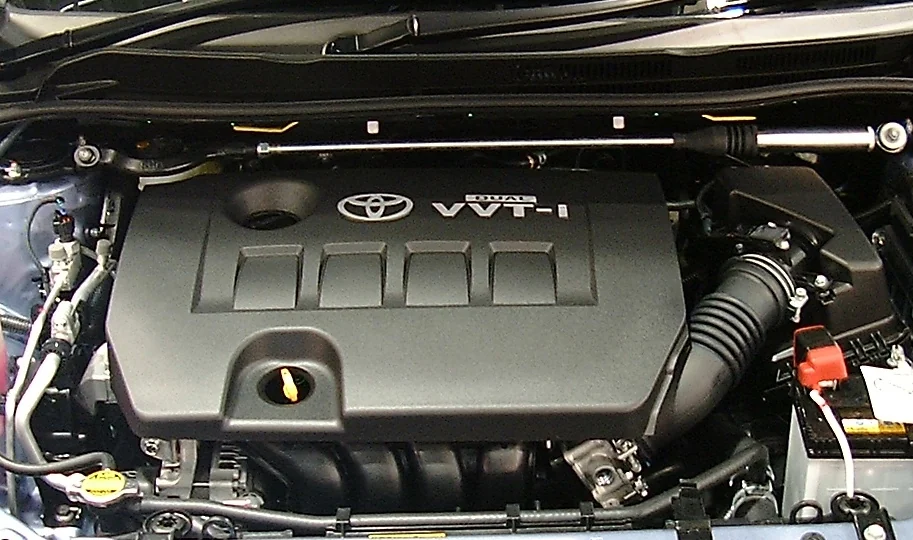
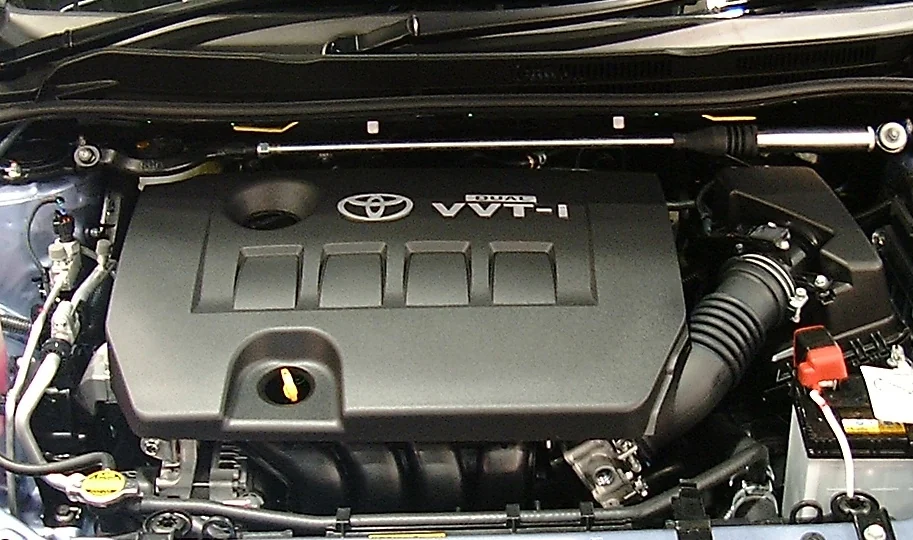
Technical sources include Toyota T-SB-0362-09 and T-SB-0103-20 Rev1. Confirm current vehicle applicability. Engine photograph by Ypy31, Wikimedia Commons, released into the public domain, cropped and resized. It shows engine identity, without a diagnosed leak or a NANXI inspection record. The numbered comparison is an original conceptual drawing.