Quick Answer
Engine mount bracket position is a practical version check when ordering a replacement engine. Engines with the same code may use different mounting points, brackets or surrounding interfaces according to vehicle layout, drivetrain, transmission and market version. Buyers should send square side-view photos of the original engine and confirm the required bracket scope before quotation.
Why the Mounting Side Deserves a Separate Check
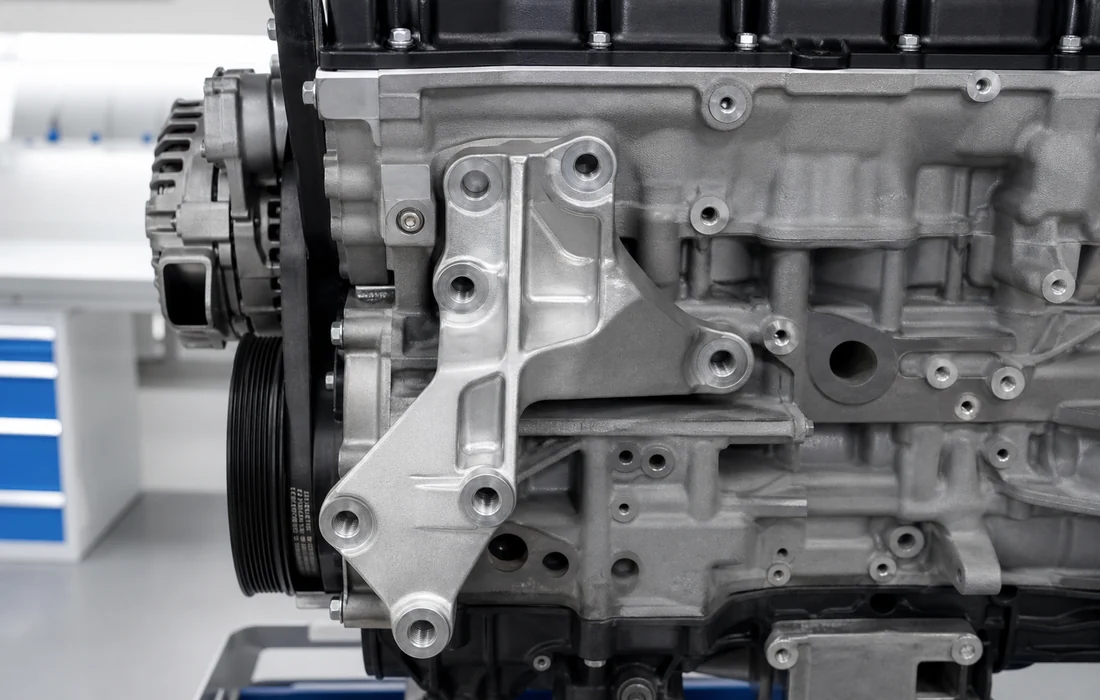
An engine code is the starting point for identification, but the vehicle must still support the engine in the correct position. A bracket may connect to the cylinder block, front cover or another structural area. The position, bolt pattern and surrounding clearance can therefore affect whether the offered configuration matches the buyer’s original unit.
A supplier should not assume that one visible bracket arrangement represents every engine carrying the same code. The quotation and product photos should identify whether brackets are included, removed or intended to be reused from the original engine.
What a Bracket Photo Can Reveal
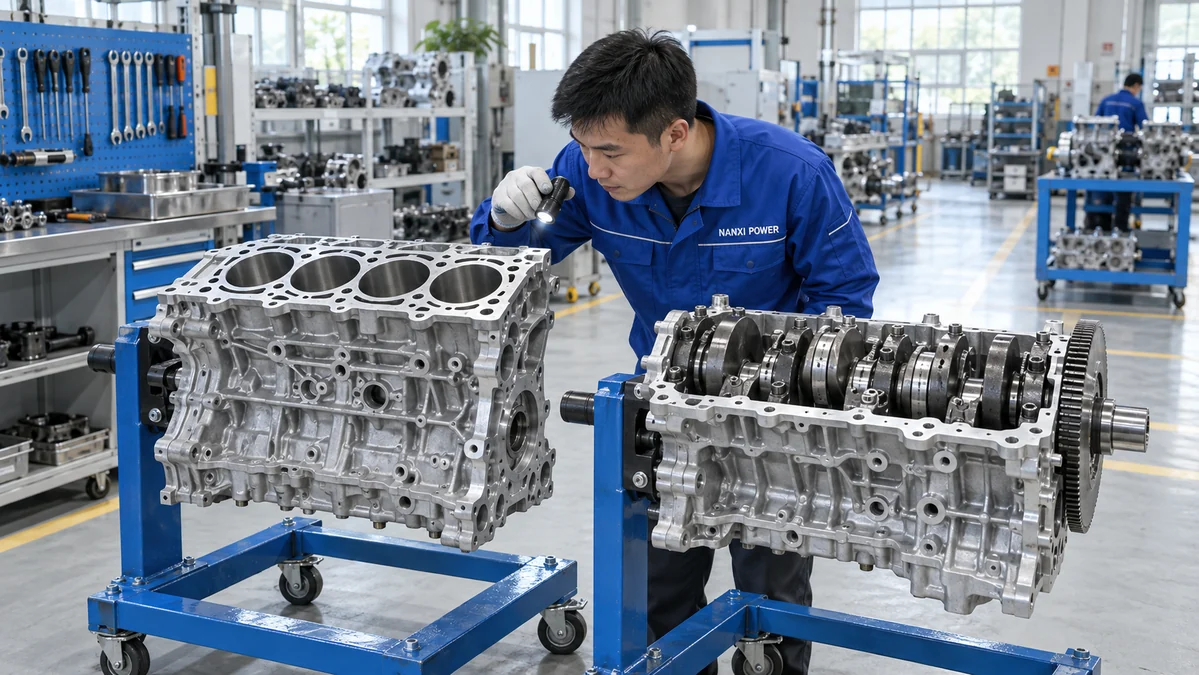
The most useful photo shows more than one isolated metal part. It should show the bracket location in relation to the engine block, timing side, oil pan and nearby interfaces. That wider context helps the supplier compare the physical arrangement rather than relying on a part that may have been moved or replaced.
Compare where the bracket sits vertically and horizontally on the engine.
Record the number and spacing of visible mounting holes without estimating dimensions.
Include covers, oil-pan edges, accessory locations and the transmission side in the wider view.
Connect the Bracket Check to Vehicle Configuration
Mounting arrangements should be reviewed together with the vehicle layout. Buyers should state whether the original vehicle uses front-wheel drive, rear-wheel drive, all-wheel drive or four-wheel drive. They should also identify the transmission type and provide the VIN for supporting identification.
These details do not replace the engine code or photos. They help explain why two visually similar engines may need different external arrangements. The related oil pan configuration guide shows another lower-engine detail that should be compared before ordering.
Photograph the Original Engine in a Repeatable Way
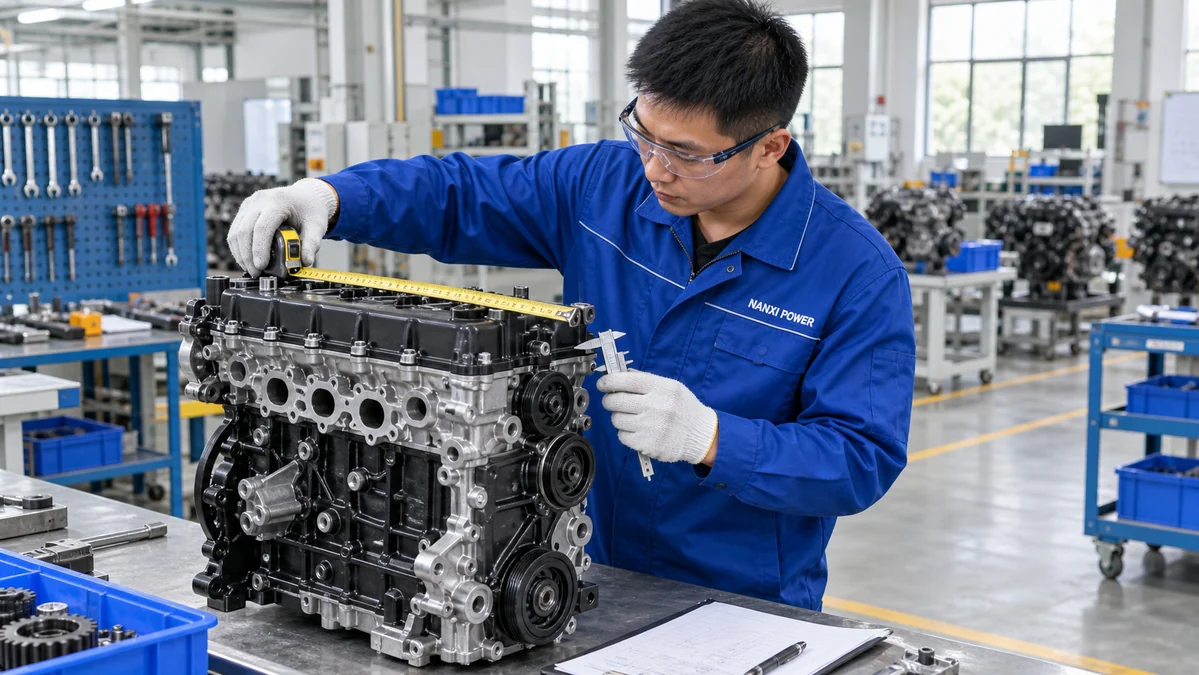
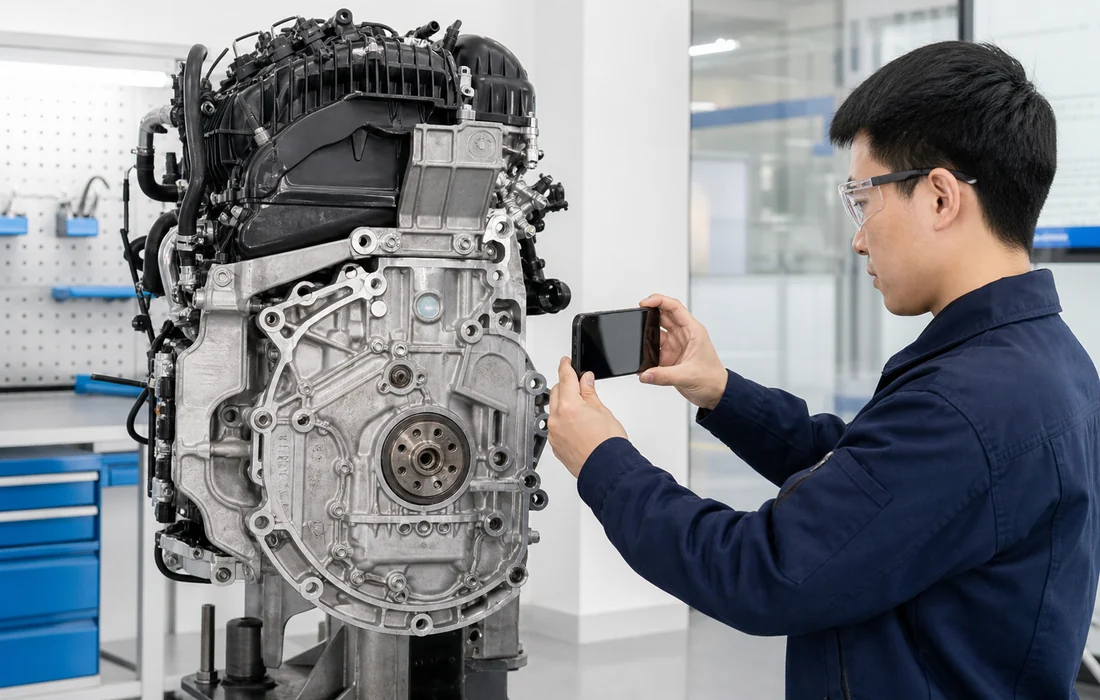
A consistent photo set makes comparison easier for both the purchasing team and supplier. Clean only what is needed to reveal the mounting area, use even lighting and keep the camera square to the engine side. Do not crop away the surrounding structure.
- Take one full view of the mounting side.
- Take a close photo of each visible bracket and bolt pattern.
- Photograph the timing side, transmission connection and oil pan.
- Include the engine code marking or identification plate.
- Keep the original files instead of sending only compressed screenshots.
Clarify Whether the Bracket Is Included
Product form and accessory scope are separate questions. A complete engine, long block, base engine or short block may be quoted with different external parts. The word “complete” does not guarantee that every vehicle-specific mount or bracket is supplied.
Ask the quotation to state whether the visible brackets are included with the offered unit. If the buyer plans to reuse original brackets, confirm that the required mounting faces and bolt holes match the supplied engine. The engine supply process explains how configuration confirmation should happen before final commercial terms.
Compare the Quotation and Product Photos
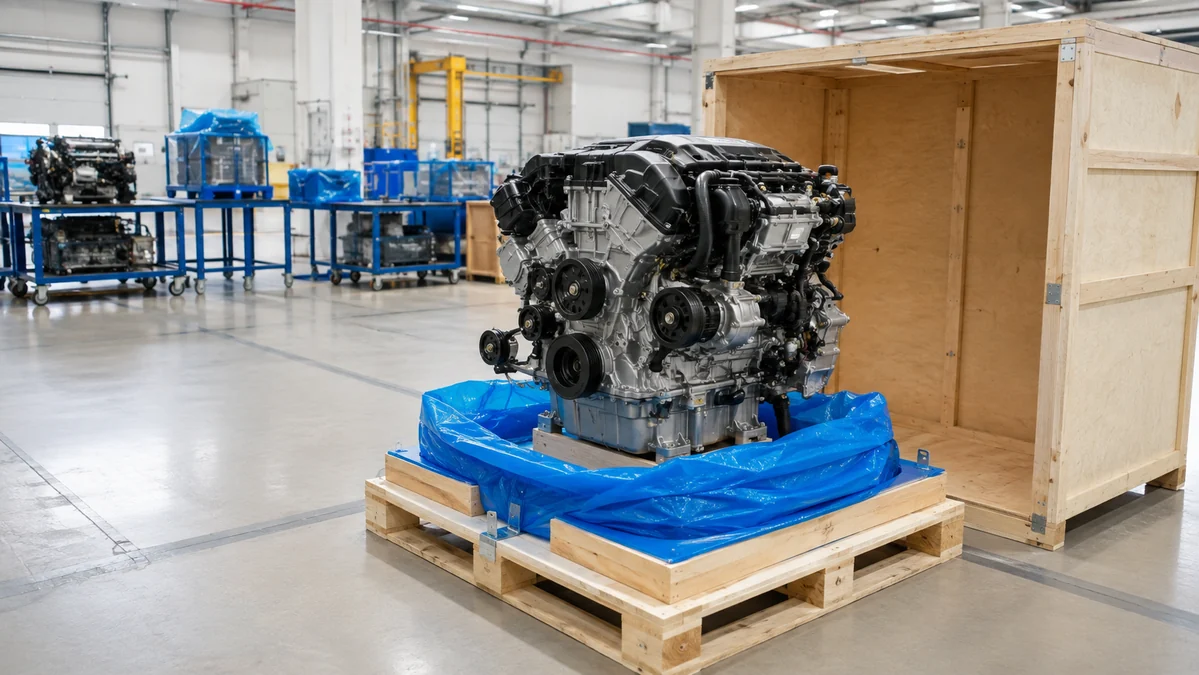
Before payment or shipment, compare the written engine code, product form and included-parts list with current product photos. A generic catalogue image can explain a product family, but it should not be treated as proof of the exact bracket arrangement for an order.
Useful confirmation set
- Engine code and VIN
- Original mounting-side photos
- Transmission and drivetrain
- Required product form
- Written bracket inclusion or reuse plan
- Current photos of the offered engine
Buyers can review available engine families in the NANXI POWER engine catalogue. Final version confirmation remains subject to the original engine details and the offered configuration.
Frequently Asked Questions
Does the same engine code always use the same mounting bracket?
Not necessarily. Vehicle layout, market version, transmission and drivetrain can affect external mounting arrangements. Compare the original engine and quoted unit.
Is a bracket normally included with a long block?
It should not be assumed. The exact scope must be listed in the quotation and shown in product photos.
Can the VIN confirm the mounting position by itself?
VIN can support preliminary identification, but final checking should use the original engine code, mounting-side photos, transmission and drivetrain information.
What if the original bracket will be reused?
Send photos of the original bracket and its mounting face. Ask the supplier to confirm that the offered engine has the corresponding mounting points.
Send the Mounting-Side Photos Before Quotation
Share the engine code, VIN, mounting-side photos, transmission, drivetrain and required product form. NANXI POWER can compare the visible configuration before preparing a quotation.
For product and inspection visuals, visit the official NANXI POWER YouTube.