Quick Answer
To repair or replace an engine, a B2B buyer should first separate the condition question from the procurement question. Repair may be worth evaluating when the fault scope, usable core condition, parts availability and workshop responsibility are documented. Replacement may be easier to control when the repair scope is uncertain, the downtime risk is material, or the buyer needs a clearly defined engine form. Neither route is automatically lower risk: the decision depends on evidence, agreed scope and commercial terms.
What Should a B2B Buyer Check Before Choosing Repair or Replacement?
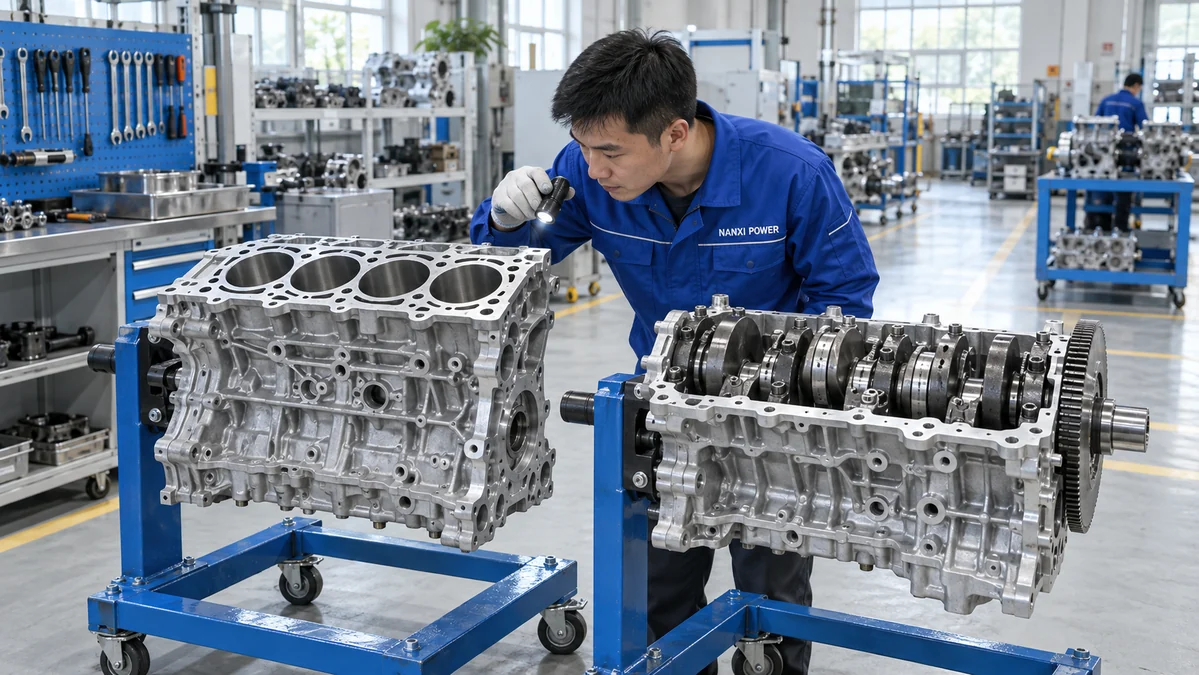
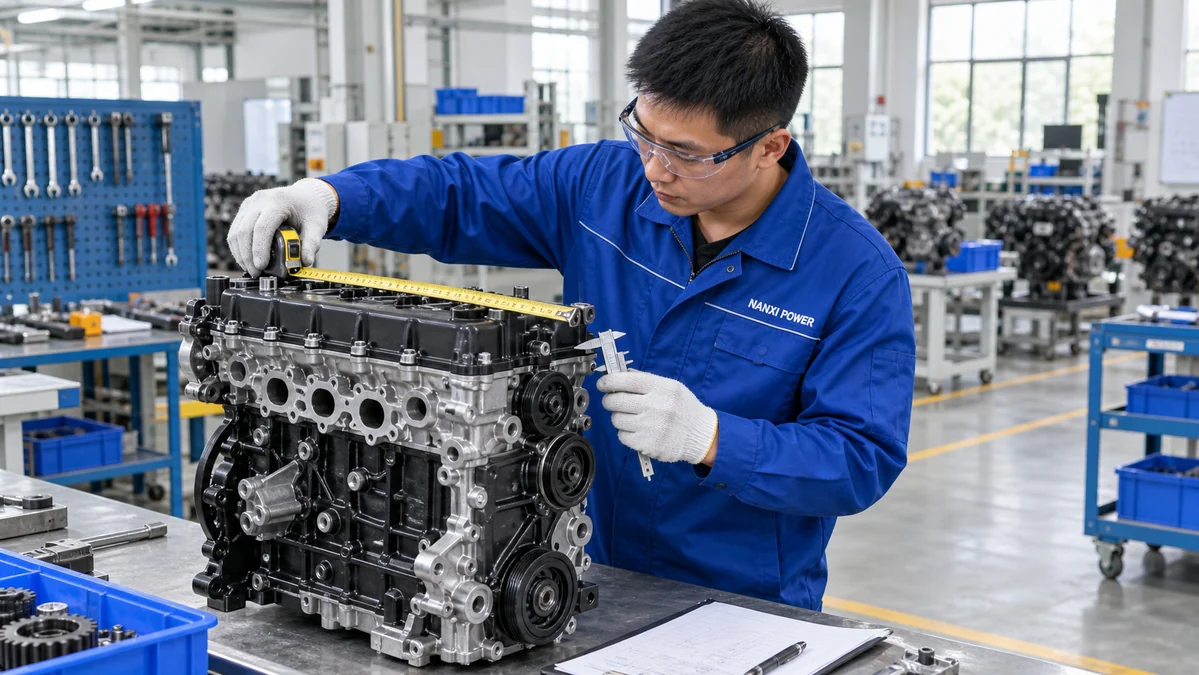
The first step is to define the decision, not to decide from a symptom description. Ask the workshop or technical team to state what has been observed, what has already been disassembled, which findings are documented and what remains unknown. A photo can show an external feature or a visible defect; it cannot by itself establish the complete repair scope, cause of failure or final condition.
Next, capture the existing engine’s identity and configuration. The original engine code, VIN where available, transmission, drivetrain and clear photos provide a practical starting point. They support a preliminary comparison, but they do not guarantee fitment. The replacement engine ordering checklist explains the evidence that should accompany a replacement inquiry.
Repair or Replace an Engine: What Is the Practical Difference?
Build an Evidence Set Before Comparing Costs
A low quote is not a useful comparison if the scope is unclear. For repair, ask for a written list of the confirmed work and exclusions. For replacement, identify whether the request is for a complete engine, long block, base engine or short block. These are different product forms. The complete engine versus long block guide helps buyers avoid treating external accessories as automatically included.
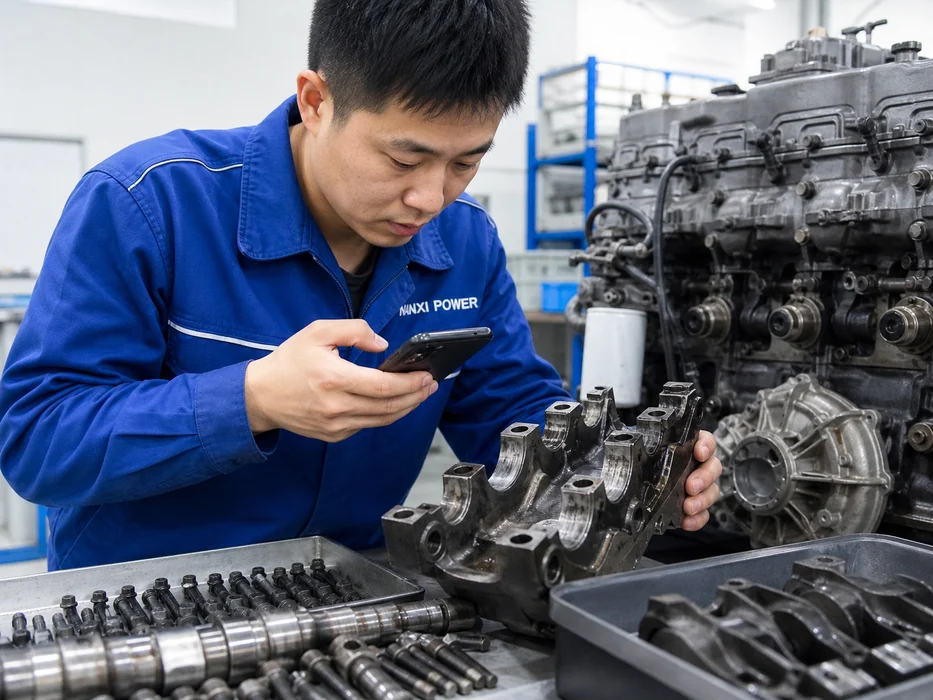
Compare Like-for-Like Scope, Not a Single Headline Price
Use one comparison sheet for both routes. Include the current engine evidence, the intended product form or repair scope, the known configuration points, expected documentation and the responsibilities that still need agreement. If a visible accessory, oil pan, wiring item or transmission-related interface matters to the installation, ask whether it is included rather than assuming it from a photo.
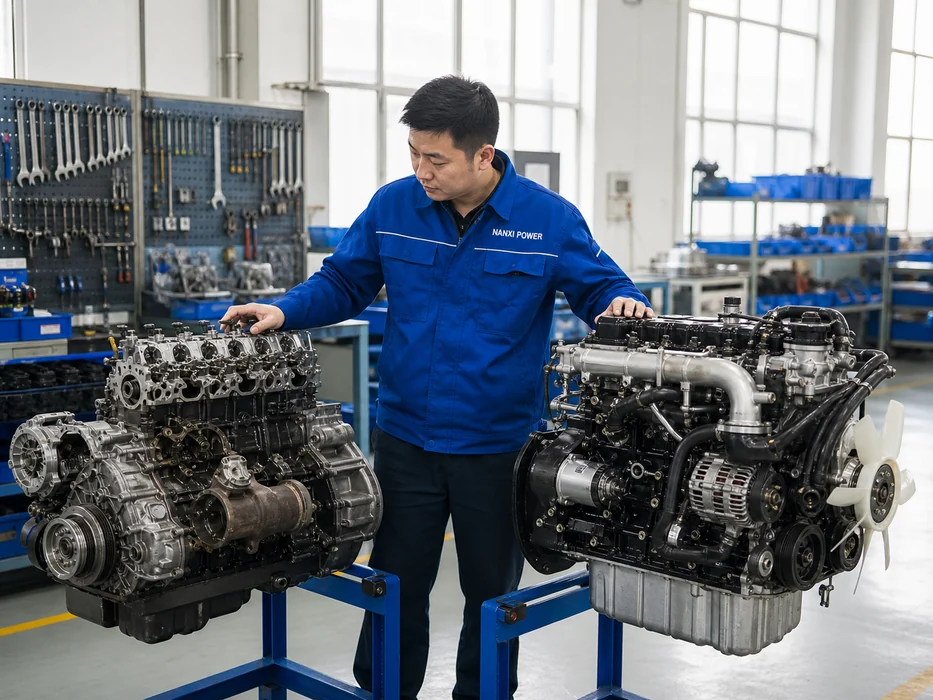
When considering a remanufactured option, describe the condition accurately and do not treat it as a brand-new engine. The brand new versus remanufactured engine guide gives a neutral way to frame that comparison. Warranty, installation requirements and after-sales handling depend on the specific product and commercial agreement.
A Five-Step Procurement Workflow
- Collect the existing-engine evidence. Keep the engine code, VIN where available, photos, transmission and drivetrain details together.
- Define the open questions. Separate observed facts from assumptions about failure cause, repair work or included accessories.
- Request comparable scope. Ask a repair provider to define the work; ask a replacement supplier to define the engine form and visible configuration.
- Review the commercial basis. Compare only like-for-like scope, stated exclusions, documentation and responsibilities. The engine quotation checklist is useful for this review.
- Confirm before commitment. Put the selected scope, configuration and commercial terms in the agreed quotation or contract; keep photos and records with the transaction.
This process does not replace a workshop diagnosis, inspection, contract or local import requirement. It gives buyers a more disciplined way to decide whether repair uncertainty or replacement scope creates the more manageable risk for that case.
How Can NANXI POWER Support This Decision?
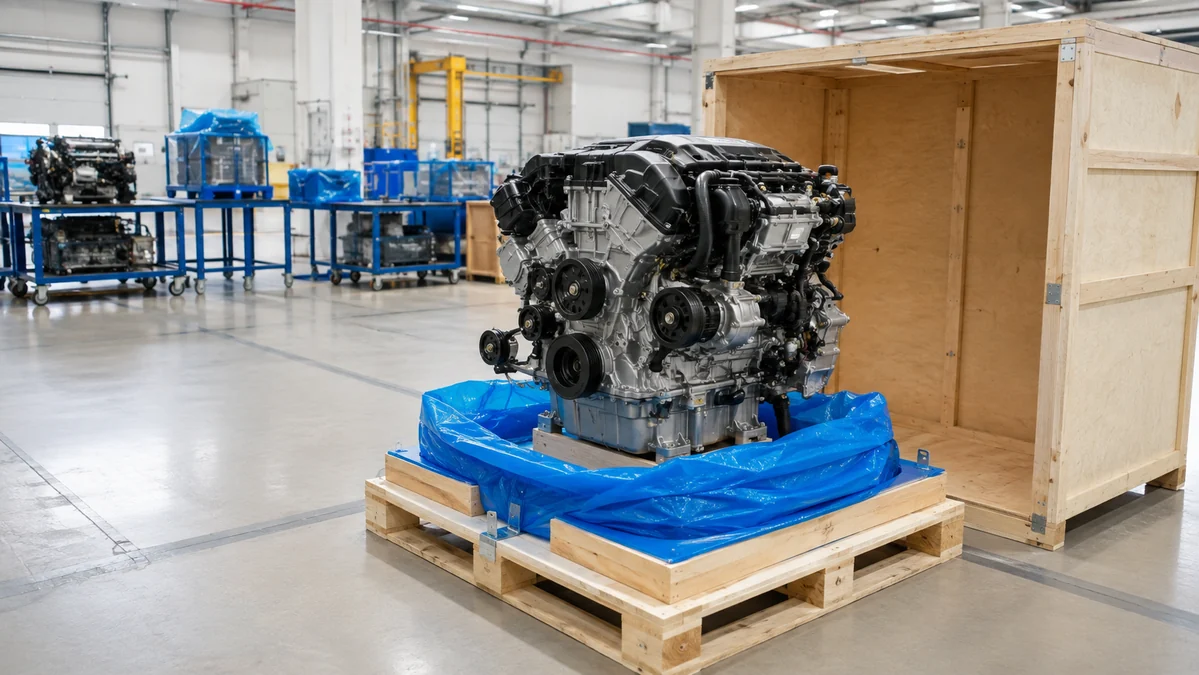
NANXI POWER can help review the original engine code, VIN and photos for preliminary identification, then compare the requested engine form and visible configuration with the inquiry. The team can support quotation-scope review and provide visual records before shipment for an agreed transaction. Send the original engine evidence, required quantity, delivery country and the scope you want to compare so the discussion can move forward without assuming fitment, accessory inclusion, condition or commercial terms.
Frequently Asked Questions
Is it always cheaper to repair an engine?
No. The relevant comparison is the defined repair scope against an equivalent replacement scope. Unknown findings, exclusions and downstream work can change the commercial picture, so both routes need documented scope.
Can a replacement engine be confirmed by VIN alone?
No. A VIN can assist preliminary identification, but final confirmation normally also needs the original engine code, clear engine photos, transmission and drivetrain information.
Does a complete engine include every external accessory?
Not automatically. The exact included accessories depend on the selected configuration and must be confirmed in the quotation, photos and commercial agreement.
Should a buyer compare a long block with a complete engine?
Only after the product forms and included scope have been made explicit. They are different configurations and should not be compared as identical items.
What should be retained after choosing a replacement route?
Keep the agreed quotation, original-engine evidence, configuration confirmation, applicable photos, packing references and shipping documents for that transaction.
Compare Your Engine Options with Clear Evidence
Send NANXI POWER the original engine code, VIN where available, clear original-engine photos, required quantity and delivery country. We can help you review the requested engine form before quotation. Use our contact page, WhatsApp or email. You may also visit the Made-in-China store, the Alibaba.com International store or follow NANXI POWER on LinkedIn.