Quick Answer
An engine supplier evaluation checklist should test whether a supplier can clearly identify the product, explain its condition and configuration, support version confirmation, provide appropriate records and communicate commercial responsibilities. Claims are useful only when they are connected to evidence and the specific quotation.
1. Confirm the Supplier’s Business Identity
Check the legal company name, business location, official website, company-domain email and consistent contact information. A marketplace profile can support verification, but it should not replace direct confirmation of the contracting entity and quotation details.
Learn about NANXI POWER and compare the company details shown in commercial documents.

2. Review Product Scope and Terminology
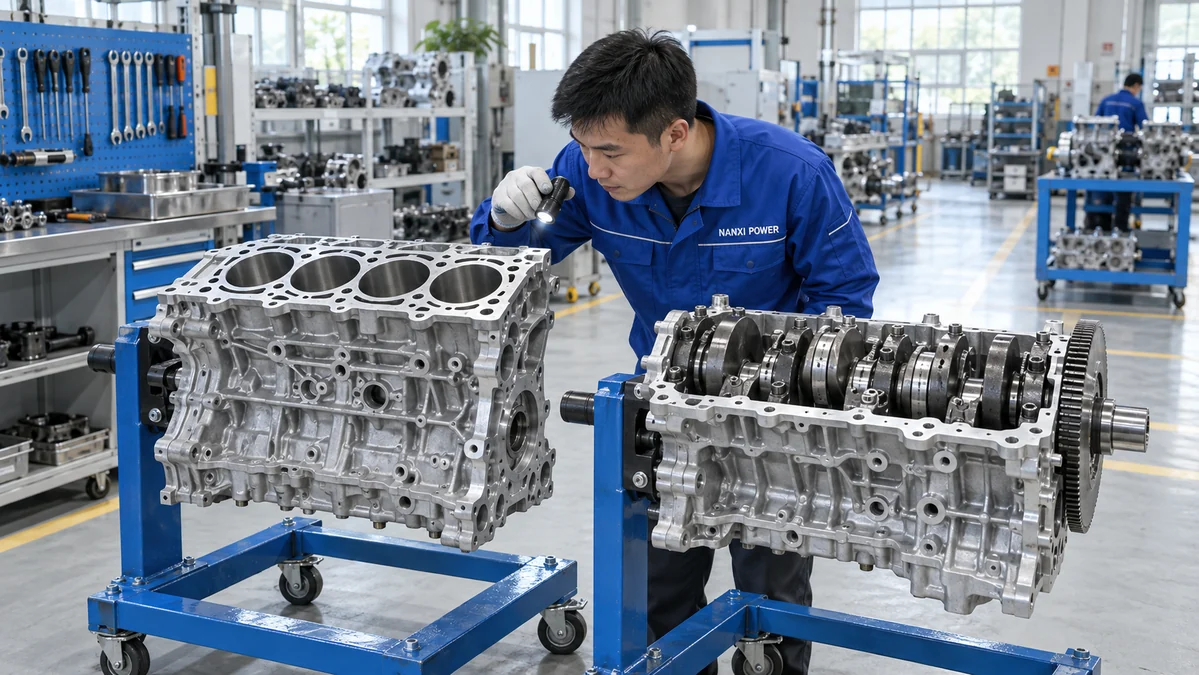
A capable supplier should distinguish a complete engine, long block, base engine, short block, cylinder block and cylinder head assembly. Ask the supplier to identify both condition and product form in writing. The phrase “complete” should not be interpreted as including every external accessory unless the quotation and photos say so.
3. Evaluate Identification Support
Engine code should lead the identification process. VIN can support preliminary identification, while photos, transmission, drivetrain and structural details help confirm the version. Be cautious when a supplier promises guaranteed compatibility from VIN alone or does not request photos for a version-sensitive engine.
4. Compare Quotations on the Same Basis
Two prices are not comparable if one quotation is for a long block and another is for a complete engine, or if condition and included accessories differ. Normalize the following before making a purchasing decision:
- Engine code and version
- Brand-new, remanufactured or another clearly defined condition
- Complete engine, long block, base engine or short block
- Included and excluded external accessories
- Inspection and visual records
- Packing and shipping responsibilities
- After-sales terms for that product and agreement

5. Ask About Inspection and Visual Records
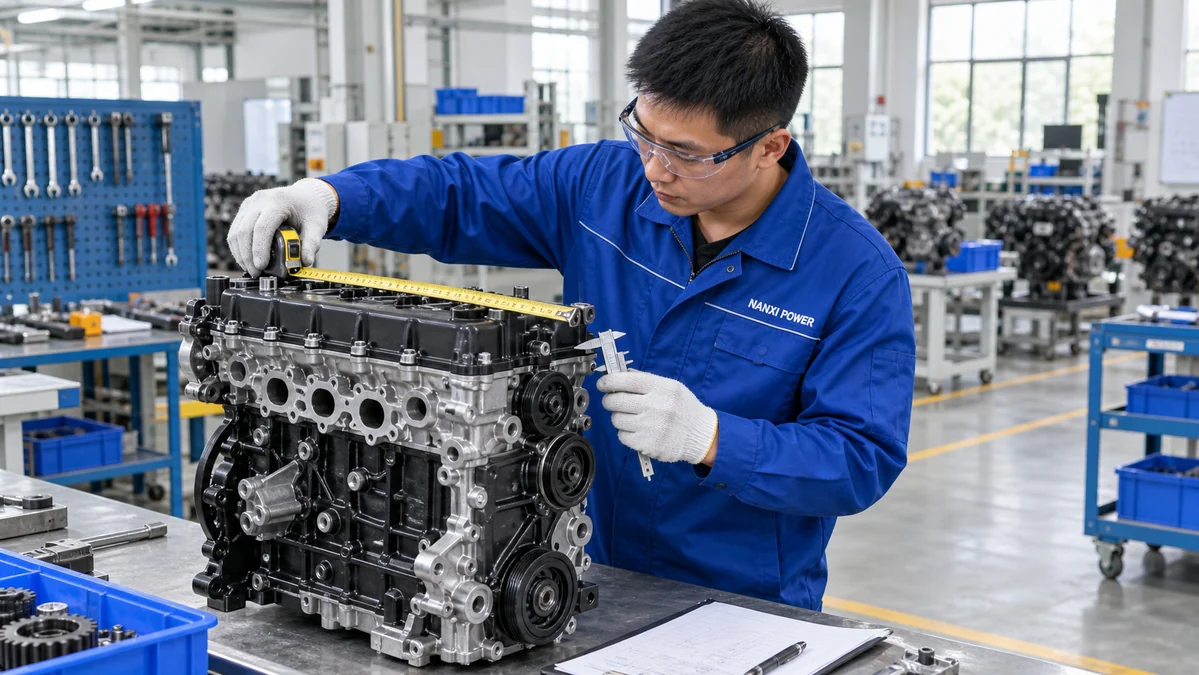
Ask what can be checked and recorded before shipment. Current product photos, identification details and packing records help connect the physical unit to the order. Do not assume that a generic factory video proves the condition or configuration of a specific engine.
6. Assess Export and Communication Discipline
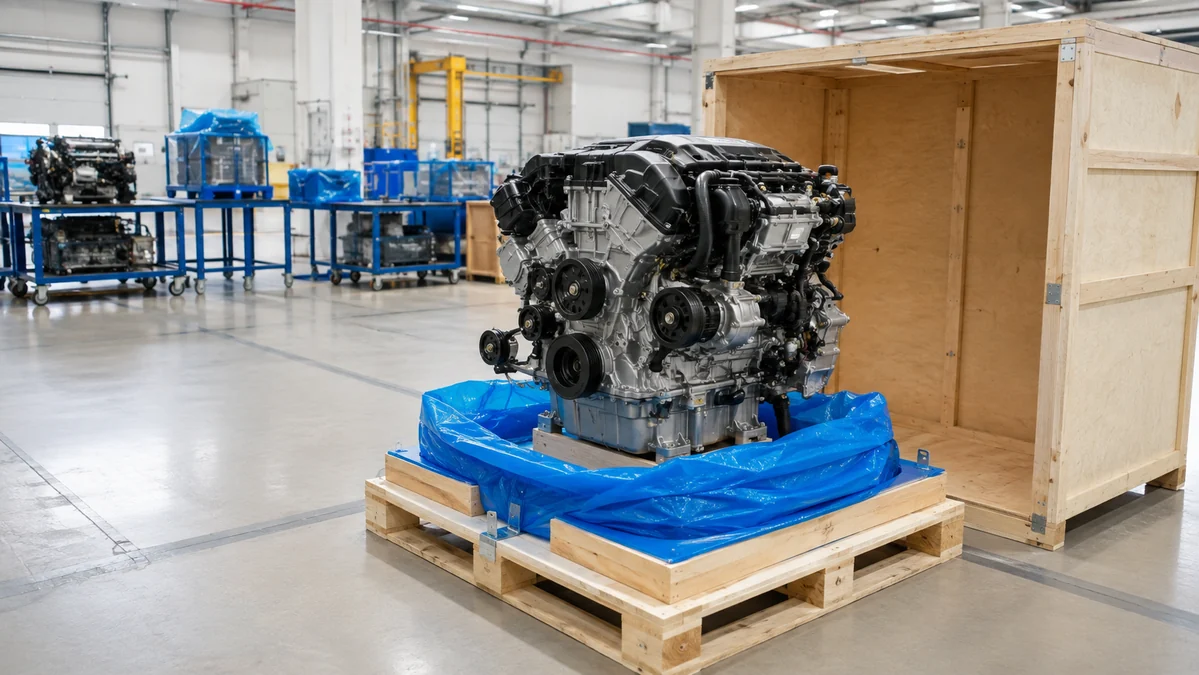
International B2B orders require clear names, model references, consignee details, trade responsibilities and document coordination. The supplier should identify what it will provide and what the buyer or freight forwarder must arrange. Review the NANXI POWER engine supply workflow and engine catalogue.
Red Flags That Need Clarification
- “100% compatible” without engine-code and version checks
- Condition or product form missing from the quotation
- Stock photos presented as the exact order
- All accessories implied but not itemized
- Certification claims without a named scope or document
- Fixed warranty promises copied across every product type
- Pressure to pay before commercial details are confirmed
Frequently Asked Questions
Is a low price enough to shortlist an engine supplier?
No. Compare the same engine identity, condition, configuration, included scope and trade responsibilities.
What should buyers verify first?
Start with company identity, engine code, product form, condition and version-confirmation process.
Does a marketplace supplier page prove product certification?
No. A platform profile and a product certification are different forms of evidence. Confirm the exact scope of any certificate or audit claim.
Why are original-engine photos important?
They help identify differences in interfaces, covers, mounting points, oil pans and external arrangements that may not be clear from the engine code alone.
Evaluate NANXI POWER for Your Next Engine Inquiry
Send your engine code and sourcing requirements through the contact page, WhatsApp, email, or our official Made-in-China page.