Quick answer. A 2AR-FE P0138 fault tells you that the computer detected high voltage in the bank 1, sensor 2 oxygen-sensor circuit. Keep the scan report before anyone clears the code. On certain US-market Camry and RAV4 vehicles, Toyota traced this reading to the response of a different sensor. Ask the workshop which vehicle and test findings support its estimate before approving a sensor or an engine.
Which Camry and RAV4 vehicles does Toyota cover?
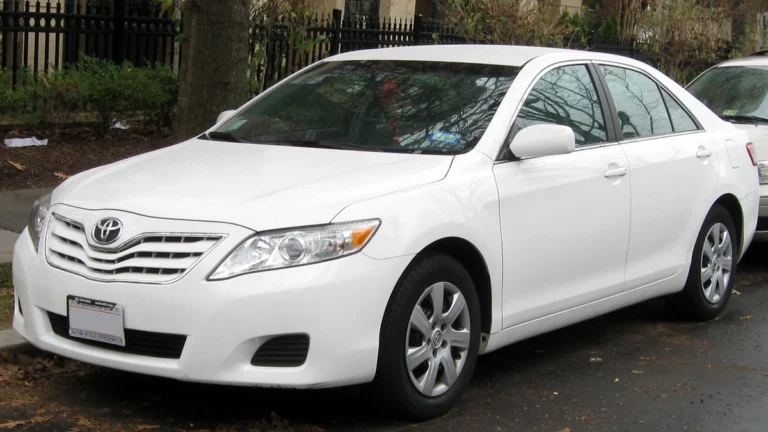
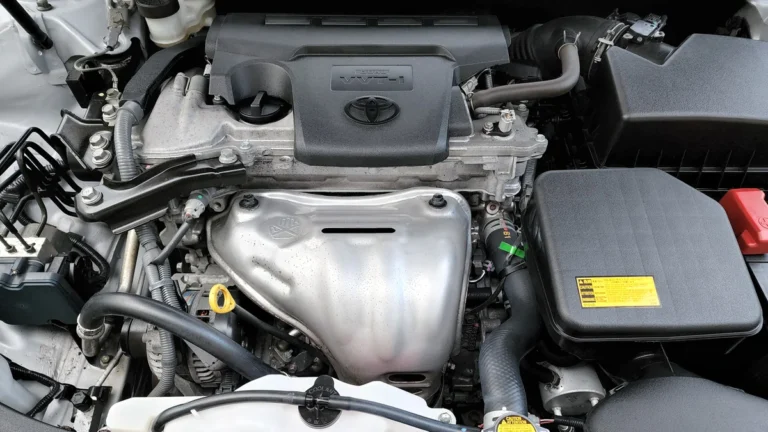
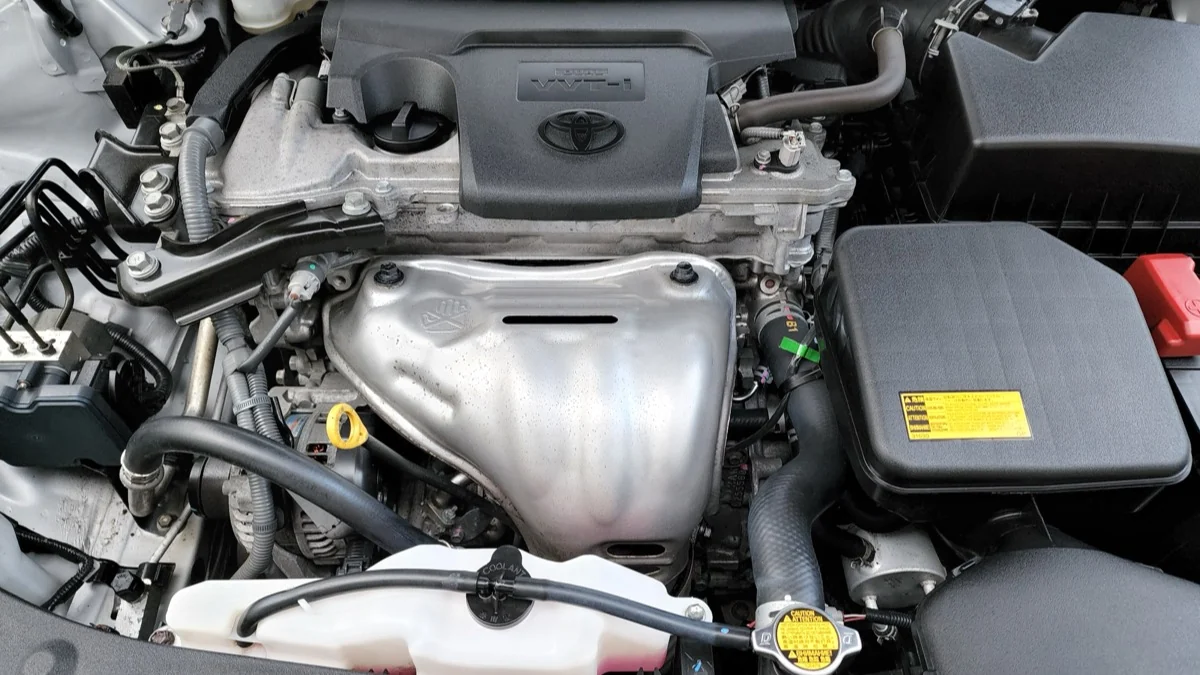
Toyota issued US bulletin T-SB-0151-18 for certain 2010–2011 Camry and 2009–2012 RAV4 vehicles with the 2AR-FE engine. It excludes partial zero-emission vehicles (PZEV). The cover photograph shows the engine family in a later Australian Camry. The photo cannot establish whether a particular car meets the US bulletin’s requirements.
Send the workshop the full vehicle identification number (VIN) and a legible photo of the under-hood emissions label. Have the technician check the VIN identifiers, drivetrain and transmission against the bulletin and confirm the current service information for that vehicle. For a car imported from another market, tell the shop where it was first sold. Two vehicles with the same model badge and engine code can need different diagnostic information.
Why would a rear sensor code lead to a front sensor check?
Follow the exhaust in the direction it flows. The upstream air-fuel ratio sensor and the downstream oxygen sensor occupy different positions. The name on the scan report identifies the circuit where the computer saw the high reading. In the condition Toyota describes, the front air-fuel ratio sensor can respond incorrectly. A quotation that simply says “replace oxygen sensor” leaves the buyer guessing which one the shop means.
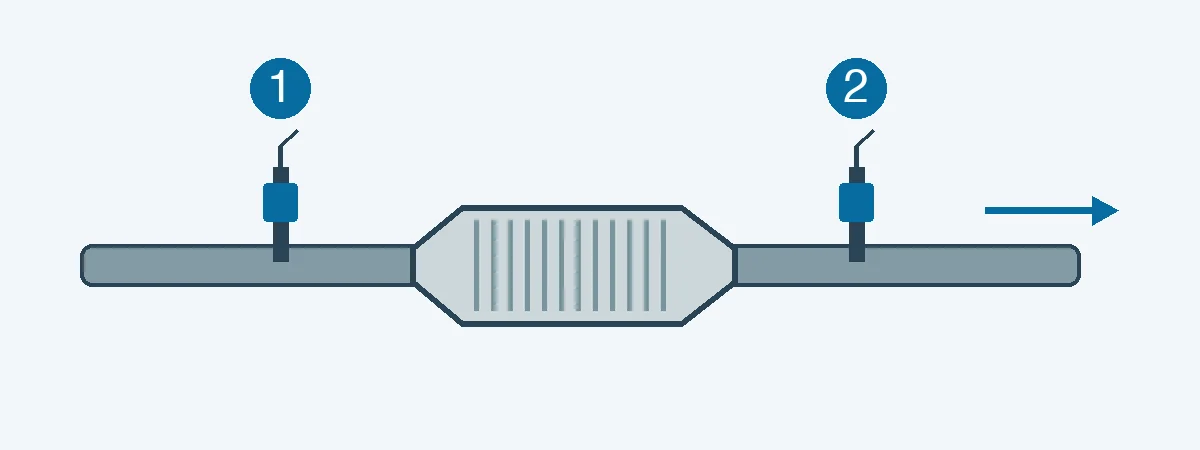
Ask the technician to identify the sensor on the work order by bank, position and function. Have them distinguish the sensor they monitored from the one they propose to replace. That distinction also matters when a garage sends a parts distributor a photograph without a part number.
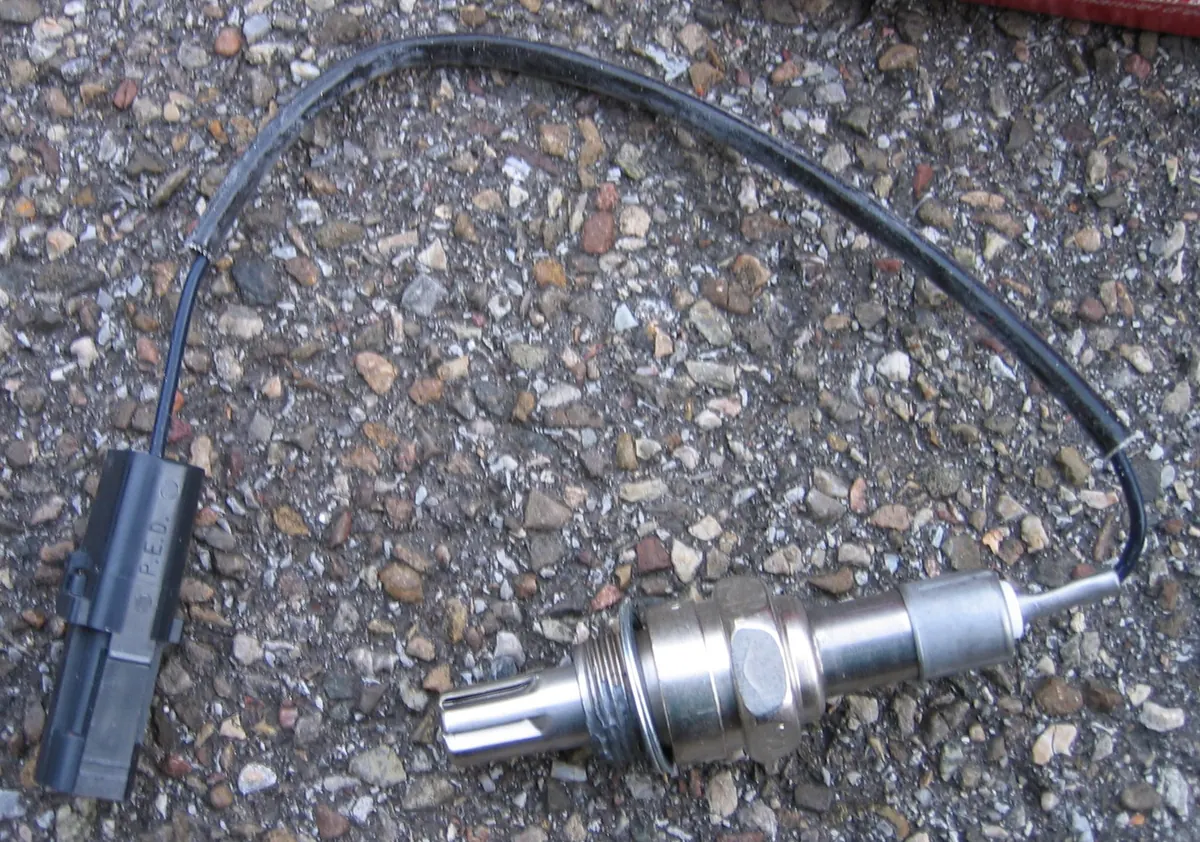
A loose sensor can show the probe, wire and connector well enough to discuss them. Its appearance cannot tell you what signal the vehicle recorded. If the shop suspects a faulty response, request its recorded observation alongside the photograph.
Which findings change the workshop’s next step?
Toyota starts with the exhaust. If the technician finds an exhaust leak, the bulletin directs them back to the applicable repair manual. If the system passes that check, the technician confirms P0138 is present and uses Toyota’s diagnostic equipment to observe the downstream sensor while the equipment commands a change in fuel delivery. Ask for the response under both test conditions. A single voltage from a stationary screenshot tells you less than the change the technician observed.
If the response falls outside the bulletin’s criteria, Toyota directs further diagnosis using the repair manual. If it meets the criteria, the technician checks which software calibration is installed in the engine control module. A vehicle already running the calibration specified as current in the bulletin also goes back to the repair manual. Only the qualifying branch calls for updating the existing module and replacing the air-fuel ratio sensor. Have the workshop confirm the current instructions and document its post-repair checks.
What belongs on the estimate?
For a bulletin repair, request the vehicle identification, leak-check result, sensor test result and calibration finding on the same job card. Ask for the software work and the specified sensor as separate lines. If an estimate includes a new control module, ask what independent test supports that item. Toyota specifies updating the existing unit in this procedure.
If an engine replacement is proposed, ask a second question. What inspection established damage inside this engine? Request the findings, the location of the damage and the repair alternatives the shop considered. A distributor can use the repair or replacement comparison to put the estimates on the same basis. Itemize any remaining exhaust or sensor work in either option so it does not disappear when an engine quotation arrives.
Before placing an order, check the guide to long-block scope against the supplier’s written list. Ask who will supply any sensors, external wiring or exhaust parts on the repair order and which original components the workshop intends to transfer. Keep the diagnostic report with the quote so the person authorizing payment can see which expense addresses which finding.
What does NANXI POWER need for a 2AR enquiry?
If separate mechanical findings support replacement, send the VIN, engine code, identification photos and the workshop’s requested parts list. NANXI POWER can help confirm the engine configuration and accessory scope before quotation. Start with the 2AR Engine Long Block in the Toyota engine catalogue. Ask for written confirmation against the vehicle and the specific assembly offered.
Service information and photographs
Toyota service bulletin T-SB-0151-18 lists vehicle identifiers on page 1 and the diagnostic branches and repair on pages 6–10. Cover photograph of the Australian 2015 Camry by VistaSunset (CC0), cropped. The GM oxygen sensor photograph by Hans Haase was resized for this article and is shared under CC BY-SA 3.0.
Send your vehicle details
Use Contact NANXI POWER, WhatsApp or Email to share the engine identification and the items you need priced. You can also find us on Made-in-China, Alibaba.com International and LinkedIn.